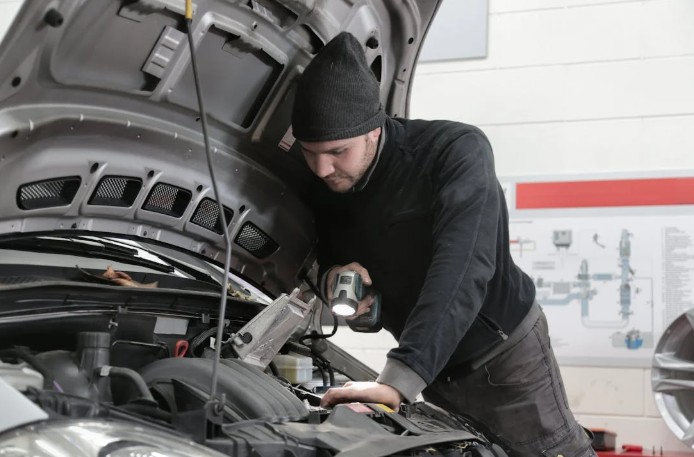
Many car owners wait until something goes wrong before visiting a mechanic. It’s a common habit that often turns a small, inexpensive fix into a large repair bill. The truth is that most costly problems don’t happen overnight. They build up quietly over time because of skipped maintenance or ignored warning signs.
Oil gets old, filters clog, belts wear down, and fluids drop below safe levels. These are all simple things to monitor, but they’re often forgotten until a dashboard light turns on or the car starts acting differently. By then, the damage has already begun.
The good news is that most of this can be avoided. A few regular habits can keep your vehicle in good condition and save you a lot of money over the years. Here’s how to make those habits part of your routine and protect your car from preventable damage.
1. Changing Oil on Time Saves Your Engine
Engine oil breaks down over time due to heat and friction. When that happens, it stops protecting the metal parts inside the engine. If oil isn’t replaced regularly, those parts grind against each other, leading to wear and damage that can’t be undone.
Always follow your vehicle’s maintenance schedule for oil changes. Many modern cars can go longer between changes, but don’t push it too far. If you often drive in heavy traffic or hot weather, you might need more frequent changes. Clean oil helps the engine run smoothly, improves fuel efficiency, and keeps costly engine repairs away.
2. Keeping Electrical Parts Dry and Protected Prevents Expensive Repairs
Modern vehicles rely heavily on electronic systems. Moisture, corrosion, or weak wiring connections can interrupt how these systems communicate. Something as simple as water getting into connectors can trigger warning lights or cause poor performance.
The transmission control module is one example of a part that can fail due to electrical issues. When it gets damaged, it can cause hard shifting or make the car stay stuck in a single gear. That’s an expensive repair, but it’s often avoidable. Keeping your engine bay clean and checking for leaks around electrical connectors can go a long way in preventing this kind of damage.
Whenever you wash your car or drive through flooded roads, avoid spraying water directly into the engine compartment. After rain or heavy humidity, it’s a good habit to inspect for moisture buildup. Small preventive steps keep sensitive parts safe and working properly.
3. Keeping Tires in Shape Improves Safety and Efficiency
Tires don’t just affect ride comfort — they affect safety, fuel use, and handling. Underinflated tires increase fuel consumption because the engine has to work harder. Overinflated tires reduce grip and wear unevenly, which can cause blowouts.
Check tire pressure at least once a month using a reliable gauge. Also, inspect for uneven tread wear, which could mean alignment or suspension problems. Rotate your tires every few months to help them wear evenly. Proper tire care doesn’t just save money on replacements; it keeps your car stable and responsive on the road.
4. Replacing Filters Before They Clog Keeps Systems Running Well
Your car relies on several filters to keep dirt and debris out of vital systems. The engine air filter prevents dust from entering the engine, the cabin filter keeps the air inside fresh, and the fuel filter ensures clean fuel reaches the engine. When these filters clog, your car works harder, burns more fuel, and runs less efficiently.
Replacing filters is inexpensive and quick. Most air filters need changing once or twice a year, depending on driving conditions. A clean filter helps your car breathe better and perform more efficiently. Ignoring it may not cause immediate damage, but over time, it puts extra strain on the engine and fuel system.
5. Listening to Noises Can Help You Catch Issues Early
Strange noises are often the first sign that something is wrong with your car. A squealing sound when you brake usually means the brake pads are worn. Grinding noises can point to problems in the gearbox or wheel bearings. A knocking or tapping sound from the engine could signal low oil or worn parts.
Many people ignore these sounds until they become constant or louder, but doing so can make repairs far more expensive. When a car starts making a noise it didn’t before, it’s best to have a mechanic check it. Catching issues early — even small ones — often prevents major breakdowns later.
6. Taking Care of the Battery Extends Your Car’s Life
A weak battery doesn’t just affect starting the car. It also puts extra strain on the alternator and other electrical systems. When a battery struggles to hold a charge, the alternator works overtime to keep power flowing, which shortens its lifespan too.
You can prevent this by cleaning the battery terminals regularly and checking for corrosion. A white or green buildup around the terminals can block proper current flow. Scrub it off gently using a brush and a baking soda solution. Also, replace your battery every few years, especially if you live in an area with very hot or very cold weather. Extreme temperatures speed up wear and reduce performance.
If your headlights dim when idling or your car hesitates to start, have the battery tested. It’s better to replace a weak one before it fails completely and leaves you stranded.
7. Maintaining the Brakes Keeps You Safe and Reduces Costs
Brakes are among the most important safety systems in any car. Worn brake pads not only make stopping harder but can also damage the rotors, which are more expensive to replace. If you hear a squealing or scraping noise while braking, the pads are likely near their limit.
It’s smart to have your brakes inspected every few months or whenever you service your car. Mechanics can measure pad thickness and check for fluid leaks in the system. Fresh brake fluid helps the system maintain consistent pressure. Skipping maintenance here doesn’t just risk higher costs — it puts your safety at risk too.
Good car maintenance isn’t complicated or costly. It’s about paying attention, following simple habits, and not waiting until something breaks. Checking fluids, listening for new noises, and keeping parts clean may seem small, but together they make a huge difference.
When you care for your car regularly, it rewards you with smoother drives, fewer breakdowns, and lower repair costs. You don’t need expert skills or expensive tools — just consistency. These habits keep your vehicle dependable, safe, and ready for the road every day.



Leave a Reply