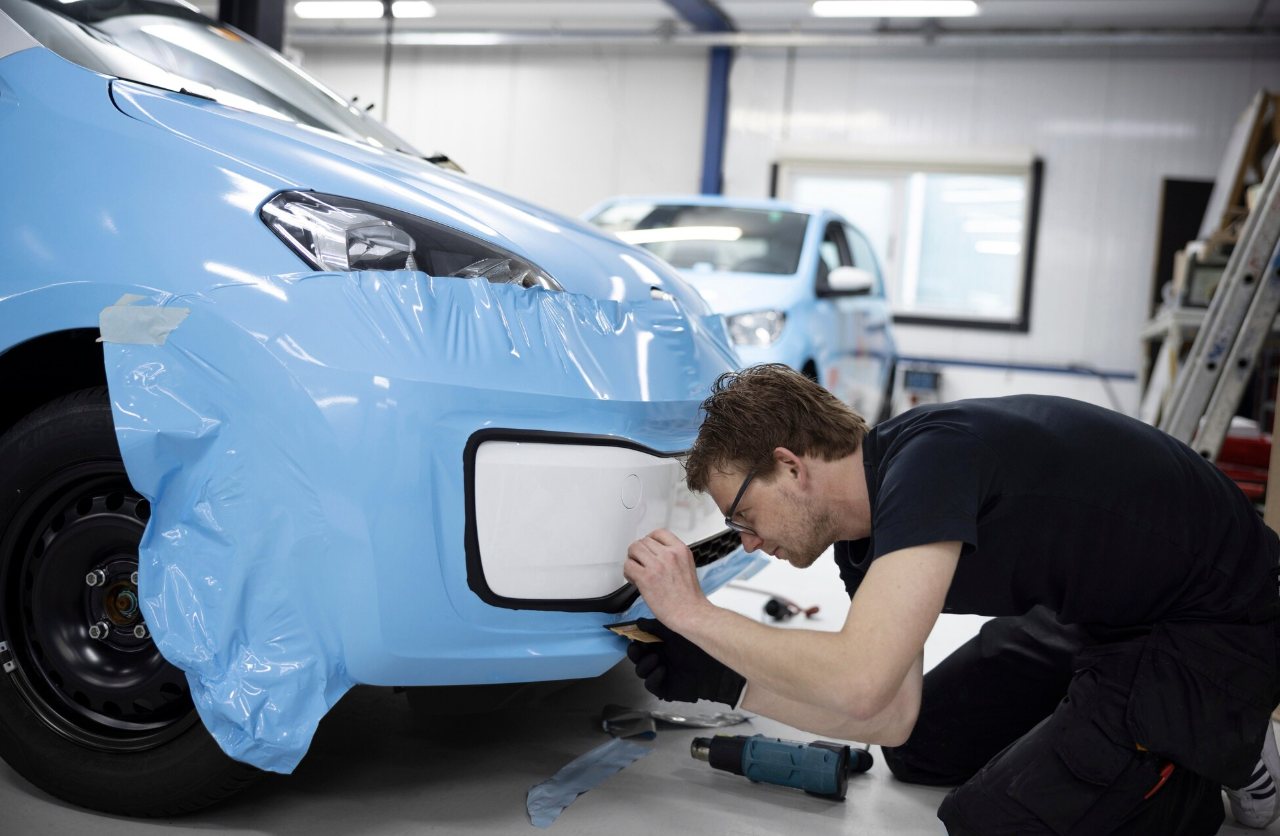
Your car has a dent. Maybe a shopping cart rolled into your door. Maybe hail hit your roof. Maybe someone opened their door into yours in a parking lot. Now you’re wondering how to fix it.
You might have heard about colorado paintless dent removal, or PDR for short. It sounds almost too good to be true. Can someone really fix dents without painting? How does it work? Is it reliable?
Let’s find out.
What Is Paintless Dent Removal?
Paintless dent removal is exactly what it sounds like. Technicians remove dents from your car without using any paint. They don’t sand anything down. They don’t fill anything in. They don’t repaint your car.
Instead, they massage the metal back into its original shape. Think of it like smoothing out a wrinkle in a piece of aluminum foil, but much more carefully and skillfully.
This method has been around since the 1940s. Car makers in Germany first used it to fix small dings on new cars coming off the assembly line. Over the years, technicians got better and better at it. Now it’s a popular way to fix many types of dents.
How Does Paintless Dent Removal Work?
The process is like a magic trick, but it’s actually science and skill working together.
Getting Behind the Dent
First, the technician needs to reach behind the dent. They might remove interior panels, tail lights, or other parts to get access. Sometimes they can reach through existing holes in the car’s frame.
Using Special Tools
Technicians use long metal rods with different shaped tips. These tools look a bit like fancy hook-shaped sticks. Some are straight. Some are curved. Some have flat ends. Others have round tips. Each tool works for different types of dents in different places.
Massaging the Metal
The technician pushes gently from behind the dent. They work slowly and carefully. Push too hard and you create a new problem. Push too little and nothing happens. It takes just the right amount of pressure.
They use a special light that helps them see the dent’s shape clearly. The light shows high spots and low spots on the metal. This helps them know exactly where to push.
Working the Dent Out
The technician doesn’t just push once and call it done. They work the dent gradually. Push a little here. Check the progress. Push a little there. Check again. It’s like sculpting, except they’re working from the inside out.
For some dents, they might also use a glue-pulling method. They stick special tabs to the outside of the dent with strong glue. Then they use a tool to pull the tab gently. The dent comes out bit by bit. When done, they remove the glue safely without hurting the paint.
What Makes PDR Different from Traditional Repair?
Traditional dent repair and paintless dent removal are very different processes. Let’s compare them.
Traditional Repair Steps:
- Sand down the damaged area to bare metal
- Apply body filler to smooth out the dent
- Sand the filler until it’s perfectly smooth
- Prime the area
- Paint multiple coats to match your car’s color
- Blend the new paint with the old paint
- Apply clear coat
- Buff and polish everything
This takes days or even weeks. It costs hundreds or thousands of dollars depending on the damage size.
Paintless Dent Removal Steps:
- Access the back of the dent
- Massage the metal back into place
- Check that everything looks right
- Put any removed parts back on
This takes hours, not days. It costs much less than traditional repair.
The Big Differences:
Your original paint stays perfect. This is huge. Factory paint is baked on at very high temperatures. It’s stronger and lasts longer than any paint job done after your car leaves the factory. With PDR, you keep that original paint.
No chemicals are used. Traditional repair uses body filler, primer, paint, and clear coat. These are all chemicals. PDR uses none of them. That’s better for the environment and for people with chemical sensitivities.
Your car’s value stays higher. When you sell or trade your car, dealers check if panels have been repainted. Repainted panels make them wonder what happened. Was it a crash? How bad was it? They might offer you less money. With PDR, there’s no repainting. Your car’s history stays clean.
It’s much faster. You might get your car back the same day with PDR. Traditional repair usually takes several days at minimum.
When Does Paintless Dent Removal Work Best?
PDR works great for many dents, but not all of them. Here’s what makes a good candidate for PDR.
Size Matters
Small to medium dents work best. Think about dents the size of a quarter, a baseball, or even a dinner plate. These respond well to PDR. Very large dents might need traditional repair, but technicians can often handle bigger dents than you’d expect.
Paint Condition
Your paint needs to be in good shape. PDR won’t work if the paint is cracked, chipped, or scraped off. The process depends on the paint holding the metal in its new shape. If paint is damaged, you’ll need traditional repair to fix both the dent and the paint.
Dent Location
Some spots on your car are easier to reach than others. Doors, hoods, roofs, and trunk lids usually work great for PDR. The technician can get behind them easily. Some areas are trickier but still possible with the right tools and skill.
Metal Type
PDR works on steel and aluminum, which is what most cars are made from. It works best when the metal hasn’t been stretched or torn. Sharp dents with creases are harder to fix than smooth, round dents.
Common Dents That Work Well:
- Hail damage
- Door dings from parking lots
- Minor collision dents
- Dents from sports equipment
- Shopping cart damage
- Minor bumper dents
How Reliable Is Paintless Dent Removal?
When done by a trained professional, PDR is very reliable. Let’s talk about what makes it trustworthy.
The Results Last
Once a technician fixes a dent with PDR, it stays fixed. The metal remembers its original shape. As long as nothing hits that spot again, the repair is permanent. You won’t see the dent coming back weeks or months later.
No Weak Spots
Traditional repair uses body filler, which can crack over time. PDR doesn’t add anything to your car. It just returns the original metal to its original shape. There’s nothing to crack, peel, or fail later.
Skill Makes the Difference
Here’s the important part: PDR reliability depends heavily on technician skill. A highly trained professional can work miracles. Someone without proper training might make things worse.
Look for technicians who:
- Have years of experience
- Completed professional training programs
- Show you before and after photos of their work
- Offer warranties on their repairs
- Have good reviews from real customers
Success Rate
Professional PDR technicians successfully fix dents about 90 percent of the time or more. The other 10 percent might need traditional repair because the paint is damaged or the metal is too severely stretched.
Good technicians are honest. They’ll tell you upfront if PDR won’t work for your situation. They won’t waste your time or money trying something that won’t succeed.
Benefits of Choosing PDR
When PDR works for your dent, you get many advantages.
Costs Less Money
PDR typically costs 50 to 70 percent less than traditional repair. A dent that would cost eight hundred dollars with traditional methods might only cost two hundred dollars with PDR. That’s real savings.
Insurance companies love PDR too. Many will waive your deductible for PDR repairs because it saves them money. You might pay nothing out of pocket.
Saves Time
Most PDR repairs finish in a few hours. Some take just one hour. Compare that to three or four days at a body shop. You get your car back fast and get back to your normal life.
Keeps Your Car Original
Your factory paint stays untouched. Your car maintains its original condition. This matters when you sell it later. Buyers trust cars that have never been repainted.
Better for the Environment
No paint means no harmful chemicals released into the air. No body filler ends up in landfills. PDR is the green choice for fixing dents.
No Color Matching Worries
Matching paint perfectly is hard. Even experts sometimes have trouble getting the exact shade right, especially with metallic or pearl paints. PDR avoids this problem completely because it doesn’t use paint at all.
What to Expect During the Process
Understanding what happens makes the experience better.
The Inspection
The technician looks at your dent carefully. They check the paint condition. They figure out how to access the back of the dent. They use their light to see the full extent of the damage.
Then they tell you honestly if PDR will work. They explain what they’ll do and how long it will take. Good technicians never promise miracles they can’t deliver.
The Repair
You might watch or you might wait in a comfortable area. Some shops let you see the work happening. It’s actually pretty interesting to watch.
The technician works slowly and methodically. They check their progress constantly. They might work on one dent for twenty minutes or an hour, depending on its size and location.
The Inspection After
When finished, the technician shows you the results. They should look at the repair from different angles in different lighting. If they’re not happy with it, they’ll keep working until it’s right.
You should inspect it too. Look from different angles. Run your hand over it. It should feel smooth and look perfect. If you see any remaining issues, speak up.
Limitations of PDR
Being honest about limitations helps you make good decisions.
Can’t Fix Everything
PDR doesn’t work if your paint is damaged. Scratches, chips, and cracks need traditional repair. Very deep dents that stretched the metal too much might not respond to PDR either.
Needs Access
If the technician can’t reach behind the dent, they can’t use PDR. Some car designs make access difficult or impossible for certain panels.
Takes Real Skill
PDR looks simple but requires extensive training and experience. Not every body shop offers it. You need to find a skilled PDR technician for the best results.
Not for Rusty Cars
Old cars with rust don’t work well with PDR. The metal is too weak. It might crack or break when the technician tries to reshape it.
Finding a Good PDR Technician
Quality matters more than anything else with PDR.
Ask Questions
How long have they been doing PDR? Where did they learn? Do they specialize in PDR or just offer it as one service among many? Specialists usually deliver better results.
Check Their Work
Ask to see examples of previous repairs. Look at before and after photos. Better yet, ask if they have any cars on site you can inspect in person.
Read Reviews
What do other customers say? Look for reviews on multiple websites. Watch for patterns. Do people mention fast service? Great communication? Perfect results?
Get a Guarantee
Reputable PDR technicians stand behind their work. They offer warranties or guarantees. If the dent comes back or doesn’t look right, they’ll fix it at no extra charge.
Compare Prices
Get quotes from two or three technicians. Prices that seem too good to be true often are. Very low prices might mean less experience or lower quality work. Very high prices should come with proof of exceptional skill.
Taking Care of Your Car After PDR
Once your dent is fixed, you want to keep it looking good.
Wash Regularly
Keep your car clean. Dirt and grime can hide new damage. Regular washing helps you spot new problems early when they’re easier and cheaper to fix.
Wax the Paint
Good wax protects your paint from sun damage, bird droppings, and tree sap. Apply wax every few months. This keeps your paint strong and healthy.
Park Carefully
Choose parking spots away from other cars when possible. This reduces the chance of new door dings. Park away from shopping cart return areas too.
Act Fast on New Dents
If you get another dent, have it checked quickly. Fresh dents are easier to fix than old ones. Metal gets harder to reshape as time passes.
Conclusion
Paintless dent removal is an amazing technology that saves time and money while keeping your car in original condition. It works through careful, skilled manipulation of your car’s metal from behind the dent. No paint, no filler, no chemicals.
When your dent meets the right conditions and you find a skilled technician, PDR delivers excellent, reliable results. The repair lasts permanently. Your car looks like the dent never happened.
PDR won’t work for every dent. Paint damage, very deep dents, and access problems can prevent its use. But for the many situations where it does work, it’s clearly the best choice.
Next time you discover a dent in your car, don’t assume you need expensive traditional repair. Ask about paintless dent removal. You might be surprised at what skilled technicians can accomplish. Your car, your wallet, and the environment will all benefit from this smart repair choice.


Leave a Reply