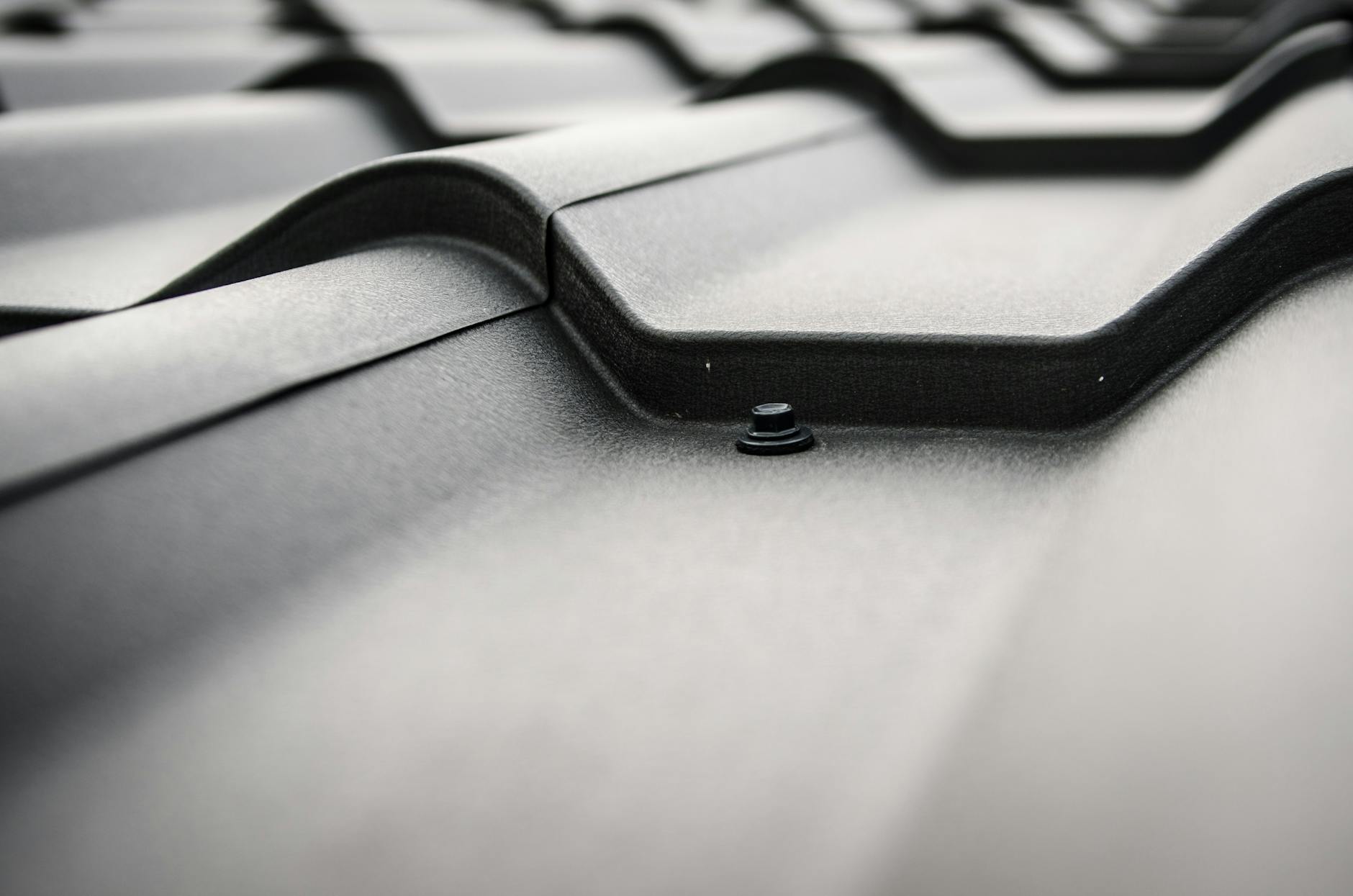
When it comes to protecting your home, residential roofing plays a pivotal role in maintaining safety, comfort, and energy efficiency. The roof is your first line of defense against natural elements such as rain, wind, snow, and sunlight. It also contributes significantly to the structural integrity and aesthetic appeal of your home. Choosing the right roofing system, maintaining it properly, and understanding when it’s time for repairs or replacement are all crucial to preserving your investment.
In this guide, we’ll explore everything homeowners need to know about residential roofing, including types of materials, cost considerations, installation methods, and long-term maintenance tips. Whether you’re building a new home, renovating an older one, or simply researching for future upgrades, this article will provide comprehensive insights into one of the most essential components of any house.
Understanding the Basics of Residential Roofing
A residential roofing system is more than just shingles. It includes a variety of components that work together to provide protection and ventilation to the home. These components include:
- Roof deck: The base layer, usually made of plywood or OSB (oriented strand board).
- Underlayment: A protective barrier installed over the roof deck to prevent moisture infiltration.
- Flashing: Thin pieces of metal used around vents, chimneys, and valleys to prevent leaks.
- Shingles or tiles: The visible outer layer that shields the house from the elements.
- Ventilation system: Allows air to circulate and helps maintain proper attic temperatures.
- Gutters and downspouts: Direct water off the roof and away from the foundation.
Understanding these layers and how they function together will help homeowners make informed decisions when it comes to repairs, replacements, or upgrades.
Common Types of Residential Roofing Materials
There is a wide range of materials available for residential roofs, each with unique characteristics, benefits, and drawbacks. Here are the most commonly used types:
1. Asphalt Shingles
Asphalt shingles are the most popular choice due to their affordability, ease of installation, and variety of styles. They typically last 15–30 years and come in several types such as 3-tab, architectural, and premium shingles.
2. Metal Roofing
Metal roofs are durable, energy-efficient, and recyclable. Available in steel, aluminum, copper, and zinc, they can last 40–70 years with proper maintenance. They are resistant to fire, insects, and rot.
3. Wood Shingles and Shakes
Wood offers a natural, rustic aesthetic and is commonly made from cedar, redwood, or pine. Shakes are hand-split for a rougher look, while shingles are machine-cut for a cleaner finish. Lifespan ranges from 20–40 years, depending on climate and maintenance.
4. Slate Roofing
Slate is a high-end option known for its elegance and longevity. It can last over 100 years but is heavy, expensive, and requires a reinforced roof structure.
5. Clay and Concrete Tiles
Popular in warmer climates, these tiles are fire-resistant and long-lasting (up to 50 years or more). However, they are also heavy and may require additional structural support.
6. Synthetic Roofing Products
Made from rubber, plastic, or polymer composites, synthetic roofing materials can mimic the look of slate, wood, or tile while offering enhanced durability and lower weight.
Factors to Consider When Choosing a Roofing Material
Selecting the right material for your residential roofing system depends on several factors:
- Budget: Materials vary widely in price. Asphalt is affordable, while slate and tile are more expensive.
- Climate: Weather resistance is key. For example, metal performs well in snowy areas, while clay tiles are ideal for hot, dry environments.
- Aesthetics: Your roof should complement the architectural style of your home.
- Durability: Consider how long the material will last and what kind of maintenance it requires.
- Environmental impact: Look for recyclable and energy-efficient materials if sustainability is a priority.
Roofing Installation: What Homeowners Should Expect
A professional roofing installation typically involves several stages:
- Inspection and consultation: An expert evaluates the condition of your current roof and recommends suitable materials and methods.
- Removal of old roofing: The existing roof is stripped down to the decking.
- Repairing or replacing the roof deck: Any damaged areas are repaired or replaced.
- Installing underlayment and flashing: These components provide added moisture protection.
- Laying new shingles or roofing material: This is the most visible part of the process.
- Final inspection and cleanup: Ensures everything meets safety and quality standards.
It’s crucial to hire a licensed and insured contractor for any roofing project. Quality workmanship not only ensures durability but also impacts warranty eligibility.
Lifespan and Maintenance of Residential Roofs
How long a roof lasts depends on the material used, environmental conditions, and how well it’s maintained. Here’s a general idea of average lifespans:
- Asphalt shingles: 15–30 years
- Metal roofing: 40–70 years
- Wood shingles: 20–40 years
- Clay/concrete tiles: 40–50 years
- Slate: 75–100+ years
- Synthetic materials: 30–50 years
To maximize the lifespan of any roofing system, regular maintenance is key. This includes:
- Annual inspections: Look for signs of wear, such as cracked shingles or water damage.
- Gutter cleaning: Prevent water backup and roof leaks.
- Moss and algae removal: Especially important in damp climates.
- Immediate repairs: Address minor issues promptly to avoid costly damage later.
Signs Your Roof May Need Repair or Replacement
It’s not always obvious when a roof needs attention. Look out for these warning signs:
- Curling, missing, or cracked shingles
- Water stains on ceilings or walls
- Visible sagging or uneven roof lines
- Excessive granules in gutters
- Increased energy bills (poor insulation or ventilation)
- Moss growth or rot
If your roof is over 20 years old and exhibiting any of these signs, it may be time to consider replacement.
The Importance of Ventilation and Insulation
Proper attic ventilation and insulation are crucial to a healthy roof system. Without adequate airflow, moisture can build up, leading to mold, mildew, and wood rot. Good insulation helps maintain consistent indoor temperatures and reduces energy costs.
A balanced ventilation system includes:
- Intake vents (usually under the eaves)
- Exhaust vents (at or near the roof ridge)
Together, they allow warm, moist air to escape, especially during summer and winter extremes.
Roofing Warranties: What You Need to Know
Most residential roofing products come with warranties, but it’s important to understand what they cover. There are typically two types:
- Manufacturer’s warranty: Covers defects in the roofing materials.
- Workmanship warranty: Offered by the installer, covering labor-related issues.
Always read the fine print. Many warranties require regular maintenance and professional installation to remain valid.
Environmental and Energy Considerations
Modern roofing options include energy-efficient and eco-friendly choices that reduce your carbon footprint and save money:
- Cool roofs reflect more sunlight and absorb less heat.
- Green roofs are covered with vegetation and help reduce urban heat.
- Solar shingles or integrated solar panels can generate electricity for your home.
These technologies may qualify for tax credits or rebates and can increase the resale value of your home.
Final Thoughts
Investing in high-quality residential roofing is one of the most important decisions a homeowner can make. Your roof is more than just a structural element—it’s a key factor in your home’s protection, curb appeal, and energy efficiency. With a wide array of materials and technologies available, understanding the pros and cons of each option helps you make the right choice for your needs and budget.
Whether you’re replacing a worn-out roof, upgrading for energy efficiency, or building your dream home from the ground up, the right roofing system will add value and peace of mind for years to come.
If you need help evaluating your current roof or exploring your options, consult with a certified roofing professional. A small investment in inspection and maintenance today can prevent significant problems tomorrow.




Leave a Reply