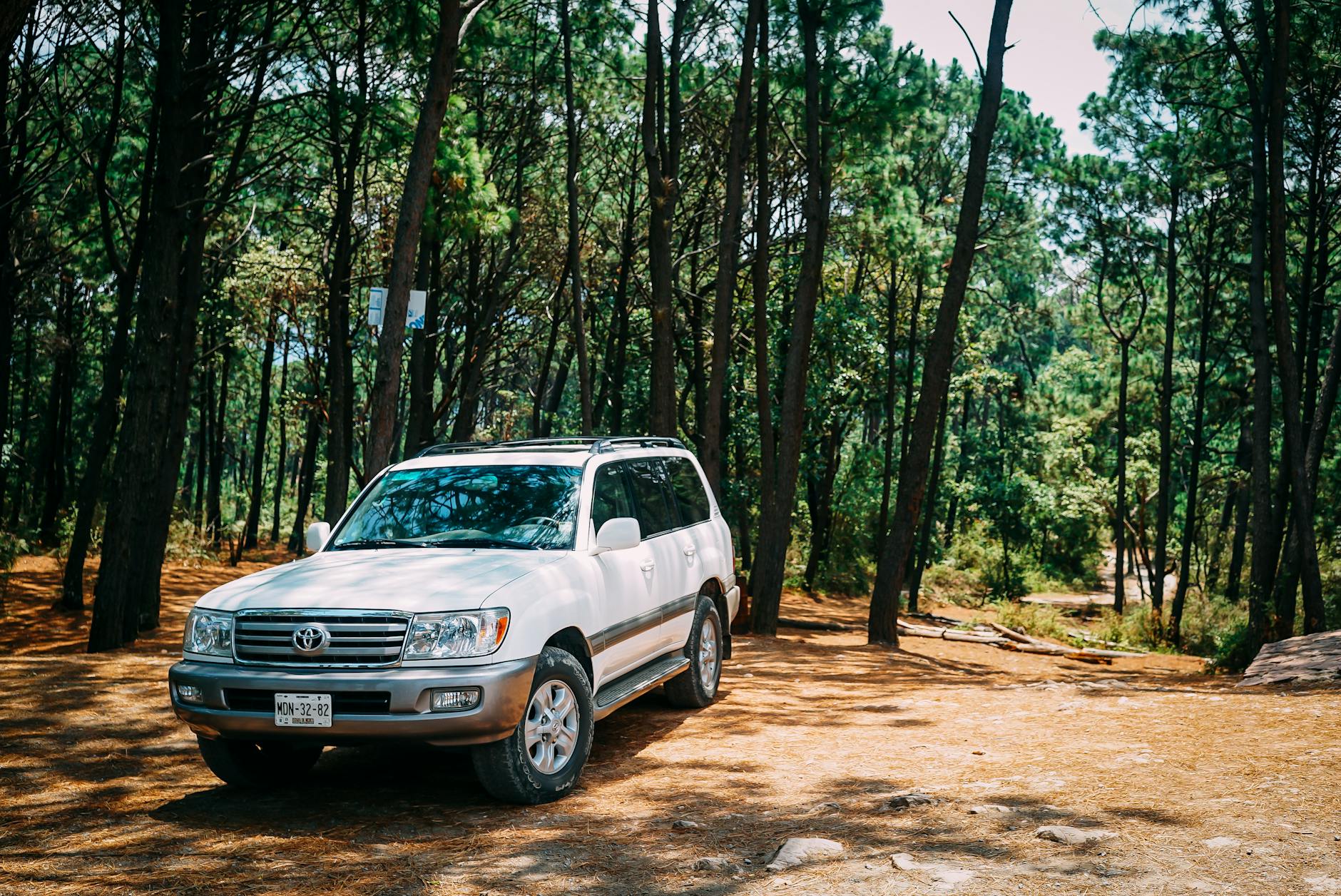
The Hiace has been around since 1967, which means there are literally generations of these vans on the road. Each generation—from the first H10 series to the current H300—has its quirks, its strengths, and yeah, its weak points. Finding the right toyota hiace parts and accessories isn’t just about ordering something that looks cool. It’s about compatibility with your specific model year, understanding which parts actually hold up under real-world conditions, and knowing where quality matters versus where you can save a few bucks. Whether you’re maintaining a fleet of delivery vans or restoring a vintage camper conversion, the durability of your parts directly impacts reliability and total cost of ownership.
Understanding Hiace Generations and Compatibility
Here’s what trips people up—parts that fit a H200 series won’t necessarily work on a H100, even though they look similar. Toyota made significant changes between generations, especially in engine mounting, suspension geometry, and electrical systems.
The H100 series (1989-2004) is probably the most common globally. Parts availability is excellent because these vans were everywhere. You’ve got the 2L, 3L, and 5L diesel engines, plus the 2RZ and 3RZ petrol options. Most accessories designed for this generation are battle-tested at this point.
The H200 series (2004-2019) brought more electronics into the mix. The good news? Better fuel efficiency and more power. The bad news? More sensors that can fail, and replacement parts sometimes need to be OEM because of integration with the ECU. I’ve seen people try to use cheap aftermarket sensors on these, and it’s just asking for check engine lights.
The current H300 series (2019-present) is still pretty new, so aftermarket options are growing but not as extensive yet. Most people are still relying on genuine Toyota parts for critical components, though accessories like roof racks and interior mods have plenty of third-party options.
Engine and Drivetrain Components Worth Investing In
Look, you can cheap out on some things. Engine parts? Not one of them. I learned this the hard way watching a friend try to save $200 on a water pump by going with an unknown brand. It lasted maybe 8 months before it started leaking. The genuine Toyota replacement he finally installed is still going strong three years later.
Timing belts are another area where quality matters big time. The 5L diesel engine in particular is an interference engine—if that timing belt snaps, you’re looking at bent valves and potentially thousands in repair costs. Genuine Toyota timing belts run about $80-120, and they’re rated for 100,000 km. Aftermarket options might save you $30, but is that worth the risk?
For suspension components—ball joints, tie rod ends, bushings—I’ve had good experiences with brands like Moog and TRW. They’re not Toyota-branded, but they’re manufactured to similar specs and often come with lifetime warranties. The OEM ball joints on my own Hiace lasted about 150,000 km. The Moog replacements are at 80,000 km now with zero issues.
Air filters are one place you can safely go aftermarket. K&N makes reusable filters that actually improve airflow slightly. They cost more upfront but you clean them instead of replacing them, so over the life of the vehicle, you save money.
Body Parts and External Accessories That Last
Bumpers and grille guards take a beating, especially if you’re using your Hiace for anything involving rough roads or loading docks. Steel is heavier but more durable than aluminum. I’ve seen aluminum bumpers bend from relatively minor impacts, while steel ones just get scratched up.
For roof racks, weight capacity is the main thing to verify. A lot of cheap racks claim they can hold 100kg, but the mounting points aren’t reinforced properly. They work fine until you actually load them up, then you start hearing creaking and sometimes the roof itself starts denting. Rhino-Rack and Thule make systems specifically designed for the Hiace that distribute weight properly.
Side steps and running boards are mostly about personal preference, but if you’re going to install them, make sure they’re bolted through the frame, not just the body panels. I’ve seen running boards rip right off because they were mounted to thin sheet metal.
Windows are interesting because Toyota’s factory tinted windows actually hold up really well to UV exposure. Aftermarket tint films vary wildly in quality. The cheap stuff ($100-200 for the whole van) starts bubbling and turning purple within two years. Quality ceramic tint ($500-800) lasts basically forever and actually blocks more heat.
Interior Parts That Handle Daily Abuse
Floor mats seem simple, right? But the difference between cheap rubber mats and quality ones is huge. Weathertech and Husky make custom-fit mats for Hiaces that have channels to contain water and dirt. They stay in place because they’re precisely shaped to the floor contours.
Door seals and weather stripping deteriorate over time, especially in hot climates. When they go bad, you get wind noise, water leaks, and dust intrusion. Replacing them isn’t expensive—maybe $150-200 for a full set—but it makes the van feel almost new again. Genuine Toyota seals fit perfectly. Aftermarket ones sometimes require trimming and adjustment.
Dashboard covers protect against sun damage, which is serious if you’re in a place like Arizona or Australia. I’ve seen Hiace dashboards crack so badly they become sharp and dangerous. A simple padded dash cover costs like $50 and prevents thousands in damage.
Seat covers serve two purposes—comfort and protecting the actual seat fabric. Canvas or neoprene covers are basically indestructible. They handle spills, dirt, and wear way better than the factory cloth seats. And if they get nasty, you just throw them in the washing machine.



Leave a Reply