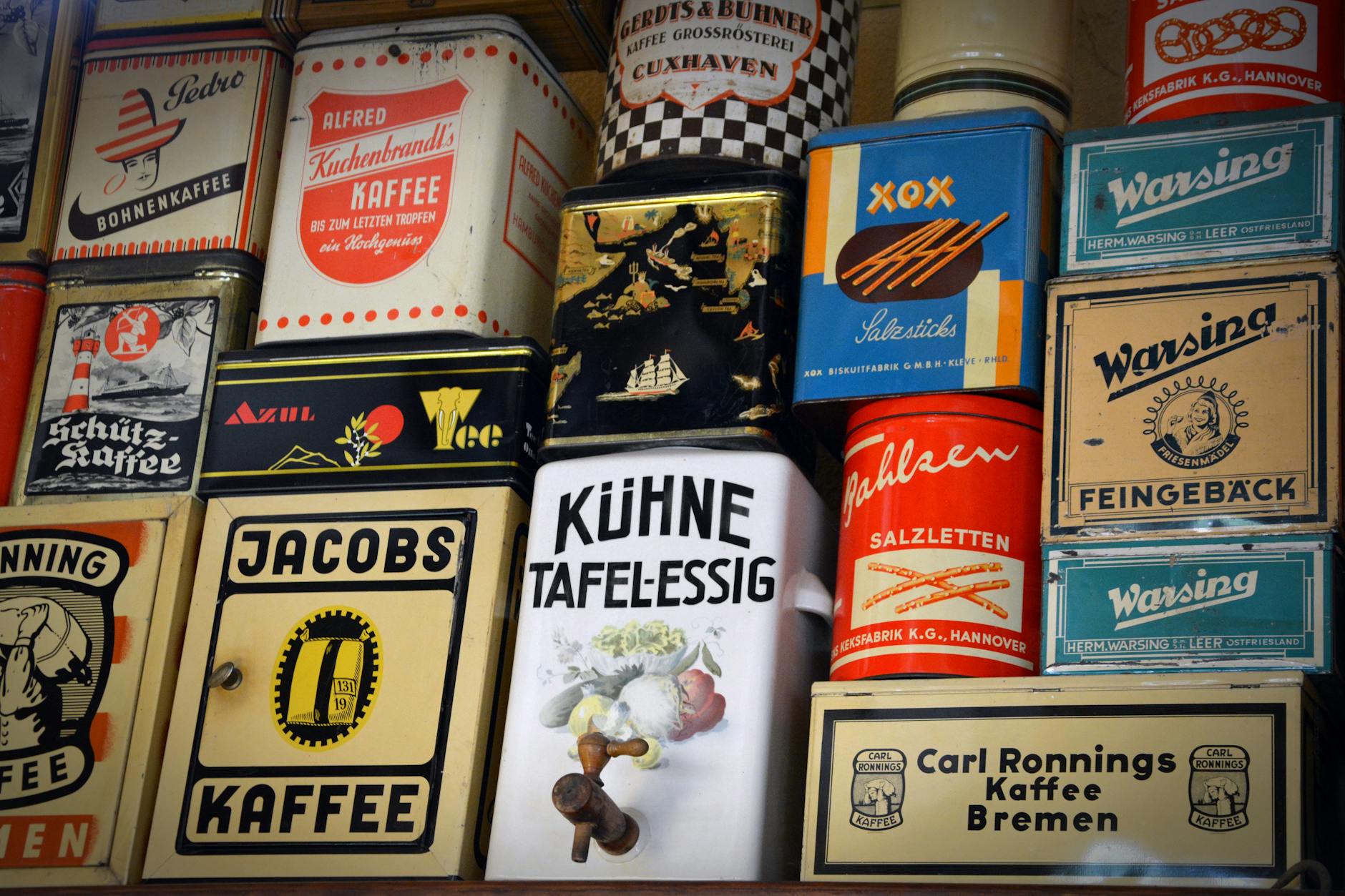
When you’re launching or growing a product-based business, one of the most overlooked details is also one of the most important — your label. The right product label doesn’t just share information; it communicates your brand’s identity, builds trust, and influences buying decisions. From the material to the finish and adhesive type, every element plays a part in how customers perceive your product.
This guide walks you through the key steps to choosing the right label for your products, so you can make confident, informed decisions that align with your brand and your customers’ expectations.
Why Your Product Label Matters
A well-designed label does more than look pretty — it’s a silent salesperson. It draws attention, conveys quality, and provides essential details that help customers make purchasing decisions.
Here’s what a good label achieves:
- Brand recognition: Consistent colors, fonts, and design help customers instantly recognize your brand.
- Compliance: Labels often need to meet legal requirements (especially in food, beverage, and cosmetic industries).
- Durability: The right material ensures your label remains intact and legible, even when exposed to heat, moisture, or handling.
- Customer trust: Professional, high-quality labels give the impression that your product is equally high-quality.
In short, your label sets the tone for how your product is perceived — and whether it makes it from shelf to cart.
Step 1: Understand Your Product and Its Environment
Before choosing your label material or design, think about where and how your product will be used.
Ask yourself:
- Will it be stored in a fridge or freezer?
- Is it exposed to sunlight or moisture?
- Does the surface need to be flexible or rigid?
- Will customers handle it frequently?
For example:
- A cold beverage bottle needs a water-resistant label that won’t peel off or smudge with condensation.
- A cosmetic jar may require an oil-resistant label that still looks elegant.
- A dry product like coffee beans might use matte paper labels for a natural, organic appeal.
Understanding these conditions helps you narrow down which materials and adhesives will perform best.
Step 2: Choose the Right Label Material
Your label material determines its texture, appearance, and durability. Here are some common options:
1. Paper Labels
Ideal for dry products and indoor use, paper labels are affordable and easy to print. They come in finishes like matte, glossy, or textured — great for handmade or eco-friendly products.
Best for: Jars, boxes, candles, dry goods.
2. Vinyl Labels
Vinyl labels are flexible, waterproof, and tear-resistant. They’re perfect for products that might encounter moisture or frequent handling.
Best for: Beverage bottles, bath products, outdoor items.
3. Clear or Transparent Labels
If you want a sleek, modern look that lets your product shine through, clear labels are a great choice. They give the illusion of a “print directly on the container” effect.
Example: You can use clears stickers that are perfect for labelling glass bottles, beauty products, or minimalist packaging where you want your design to look clean and subtle.
4. Eco-Friendly Labels
Sustainability is more important than ever. Consider biodegradable paper or recycled materials to reduce environmental impact.
Best for: Organic, natural, or eco-conscious brands.
Step 3: Select the Right Adhesive
The adhesive you choose determines how well your label sticks — and stays stuck. Adhesives can be:
- Permanent: Ideal for long-term use or tamper-evident packaging.
- Removable: Great for temporary promotions or reusable containers.
- Freezer-grade: Designed to withstand cold and moisture without peeling off.
If your product experiences temperature changes (like frozen foods or beverages), investing in a specialized adhesive ensures your label stays looking professional.
Step 4: Design for Readability and Brand Impact
A beautiful design draws attention, but functionality keeps customers engaged.
Here are key design tips to ensure your label works hard for your brand:
- Keep it legible: Use clear fonts and avoid overcrowding with too much text.
- Use hierarchy: Make sure the product name and key benefits stand out first.
- Be consistent: Stick with your brand colors, logo, and tone of voice.
- Add personality: Small details, like icons or illustrations, make your label memorable.
- Comply with labeling regulations: Include any required information such as ingredients, warnings, or expiration dates.
A label that looks professional and provides all the necessary details builds credibility and helps consumers trust your brand instantly.
Step 5: Consider the Printing Method
How you print your labels can affect quality, color accuracy, and cost. The two most common methods are:
- Digital printing: Great for small batches or frequent design changes. It’s cost-effective and allows for high-quality color variation.
- Flexographic printing: Best for large orders with consistent designs. It’s durable and efficient for bulk production.
If you plan to scale your business, discuss your options with a label printing supplier who can recommend the best method for your goals and budget.
Step 6: Test Before Committing
Before placing a large order, always test your label samples in real conditions. Apply them to your packaging and observe how they perform over a few days or weeks.
Look out for issues like:
- Peeling or bubbling edges
- Fading under sunlight
- Smudging from oils or moisture
- Poor adhesion on curved surfaces
Testing ensures you invest in a label that performs well and maintains your brand’s professional image across every product.
Step 7: Think About Scalability and Consistency
As your business grows, consistency becomes key. You’ll want every batch of labels to match perfectly in color, texture, and placement.
Partnering with a reputable label supplier can help ensure reliable results, from small pilot runs to mass production. A good supplier can also store your designs and color profiles for reorders, saving you time and reducing inconsistencies.
Final Thoughts: Labels That Tell Your Brand Story
Choosing the right product label is more than a design decision — it’s a strategic move that shapes how your brand is perceived. A label that aligns with your product’s purpose, performs well under real conditions, and reflects your brand values helps your product stand out and succeed.
Take your time to explore materials, finishes, and adhesives. Test, refine, and invest in a look that not only attracts buyers but also tells your story clearly and confidently.
Because in today’s competitive market, the right label isn’t just about sticking — it’s about sticking in people’s minds.




Leave a Reply