There’s something magical about the sound of drums echoing through the streets of New York. The music rises above the noise of traffic, blending with cheers and laughter as the city’s most beloved parades come to life. These events are more than just public celebrations—they’re living traditions that capture the heart and history of New York. Every note, every step, and every beat tells a story of pride, culture, and togetherness that keeps the city’s spirit in motion.

Parades have always been a reflection of who New Yorkers are—diverse, energetic, and endlessly creative. In this article, we’ll explore the parades that make the city move, the people who bring them to life, and the music that ties it all together.
From historic processions to modern celebrations, we’ll take a closer look at how these vibrant events continue to shape the rhythm of the city.
A City That Marches to Its Own Beat
New York has always been a city that moves to its own rhythm. Parades have long been a way for people to express joy, celebrate milestones, and bring communities together. Whether it’s a cultural celebration or a holiday event, each parade fills the streets with music that unites people from all backgrounds.The city comes alive with glittering costumes and the brassy rhythm of a parade marching band.
The beauty of New York’s parade scene lies in its diversity. Every neighborhood adds its own sound and style—from jazz and hip-hop to Latin beats and traditional folk tunes. These parades are a musical reflection of the city’s history as a melting pot, where generations of immigrants have brought their instruments, songs, and rhythms to share with others.
In every season, there’s a parade to look forward to. Whether it’s the bright colors of spring festivals or the warm spirit of winter holidays, New Yorkers know that when the drums start rolling, something special is about to happen.
A Brief History of Parades in New York
The tradition of parades in New York dates back to the 18th century, when communities gathered to celebrate national and religious events. Early processions were simple—local groups marching with banners, drums, and flags—but they quickly grew into important civic and cultural occasions.
By the mid-1800s, parades had become a hallmark of city life. Immigrant communities, in particular, used them as a way to preserve their heritage and share it with others. Irish, Italian, Jewish, Puerto Rican, and Caribbean groups each brought their own musical traditions, adding new sounds and colors to the city’s celebrations.
Today’s parades blend the old and the new. While modern events feature elaborate floats and televised performances, their purpose remains much the same—to unite people, express identity, and fill the streets with music that speaks to the city’s rich diversity.
Iconic Parades That Define New York
Few cities can match the energy and variety of New York’s parade traditions. Each major event tells a story of community, music, and cultural pride. Here are some of the most iconic parades that continue to shape the city’s musical identity:
- The Macy’s Thanksgiving Day Parade
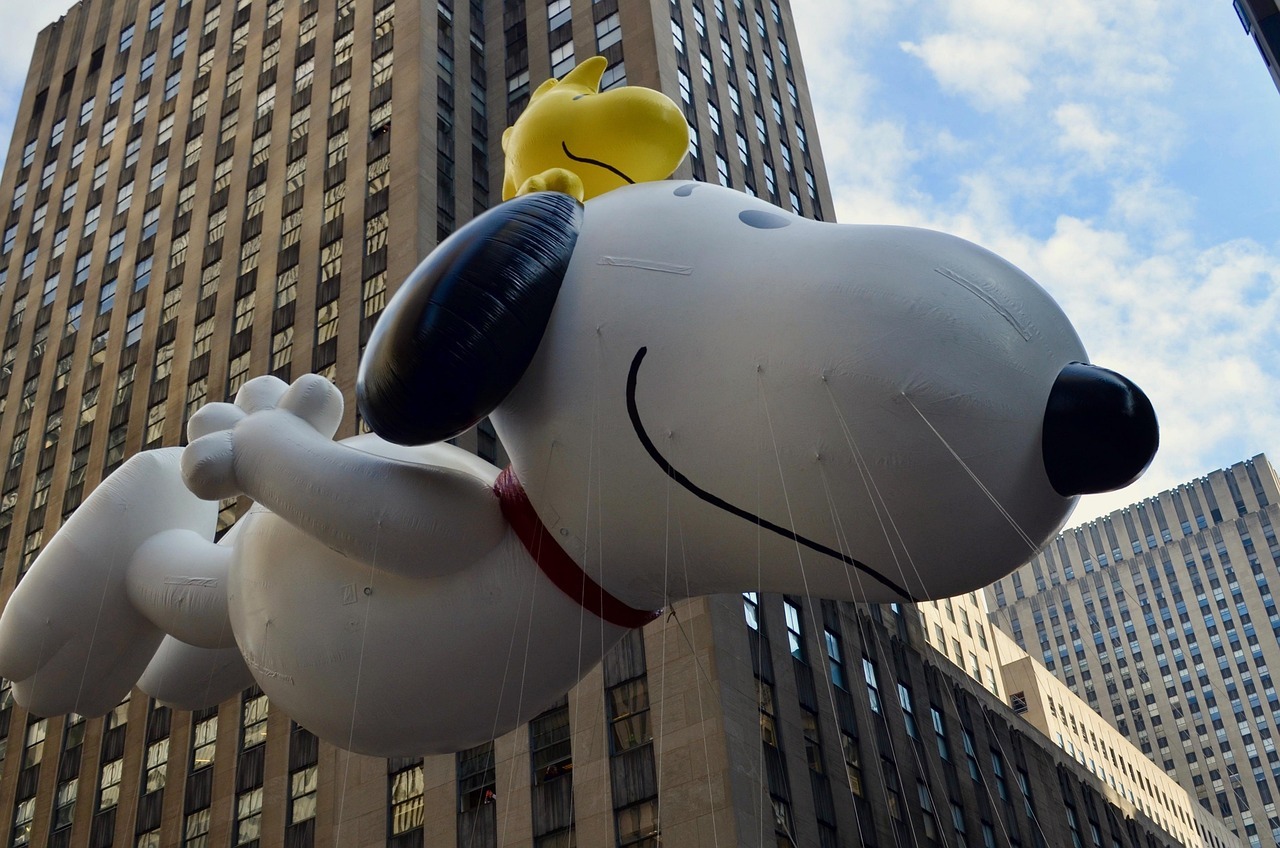
This world-famous parade is a Thanksgiving morning tradition for millions. Spectators line the streets of Manhattan to see giant balloons, dazzling floats, and live performances. What really ties it all together is the music—from high school bands to professional performers—filling the air with joy and excitement.
- The St. Patrick’s Day Parade
One of the oldest and most respected parades in the world, this event celebrates Irish heritage and pride. The sound of bagpipes echoing along Fifth Avenue is instantly recognizable. Marching bands and dancers, many of whom have been part of the parade for generations, create an atmosphere that’s both festive and deeply meaningful.
- The Puerto Rican Day Parade
This summer celebration turns Fifth Avenue into a sea of red, white, and blue. The parade honors Puerto Rican culture through music, dance, and community pride. The beats of salsa, bomba, and plena remind everyone that music is at the core of identity and unity.
- The West Indian American Day Parade (Labor Day Parade)
Held on Brooklyn’s Eastern Parkway, this colorful event celebrates Caribbean culture with vibrant costumes, energetic dancing, and infectious steel drum rhythms. The parade is a joyful expression of freedom, tradition, and the power of music to bring people together.
Each of these parades carries its own sound, mood, and message. Together, they show how music continues to connect millions of New Yorkers and visitors alike.
The People Behind the Music
Behind every parade performance is a group of dedicated individuals who make it all possible. Musicians, dancers, designers, and volunteers work for months to prepare for their big moment. They rehearse in community centers, schools, and backyards, driven by a shared love of music and celebration.
Many of these performers come from local schools and neighborhood groups. For them, parades are not just events—they’re opportunities to showcase talent, learn discipline, and build lifelong friendships. Teachers and mentors play a vital role, passing down traditions to younger generations who will carry the beat forward.
On parade day, all that hard work pays off. The excitement builds as the music starts and the crowd begins to cheer. For many participants, stepping into the street and hearing the rhythm around them is an unforgettable experience—a moment of pride and connection.
More Than a March: What Parades Mean to New Yorkers
Parades in New York are more than spectacles; they’re a form of expression that carries deep meaning. For some, it’s a way to honor heritage and remember those who came before. For others, it’s about celebrating identity, resilience, and joy.
Music plays a powerful role in these celebrations. It transcends language and background, allowing people to feel part of something bigger. Whether it’s a trumpet blast, a drum solo, or the soft notes of a flute, the sounds of a parade remind New Yorkers of their shared humanity.

Keeping the Beat Alive
As the city evolves, so do its parade traditions. Younger generations are bringing fresh ideas and modern sounds to the streets, blending the old with the new. From contemporary dance teams to digital collaborations, creativity is keeping these celebrations vibrant and relevant.
Technology has also expanded how people experience parades. Live streaming, social media clips, and virtual performances allow those who can’t attend in person to still feel the rhythm. The music, the joy, and the energy of the parade now reach far beyond city blocks, connecting people around the world.
Despite all the changes, one thing remains constant: the heartbeat of the city. Every parade, big or small, carries the same spirit of unity, pride, and celebration.
The Spirit of the City in Every Step
New York’s parades are more than annual events—they’re living stories told through music and movement. They remind us that no matter where we come from, we all share the same rhythm of community and hope.
From the echo of a drum to the smile of a dancer, every sound and every step reflects the soul of the city. As long as the music keeps playing, New York will always be on the move—celebrating its people, its culture, and the traditions that make it truly unforgettable.




Leave a Reply