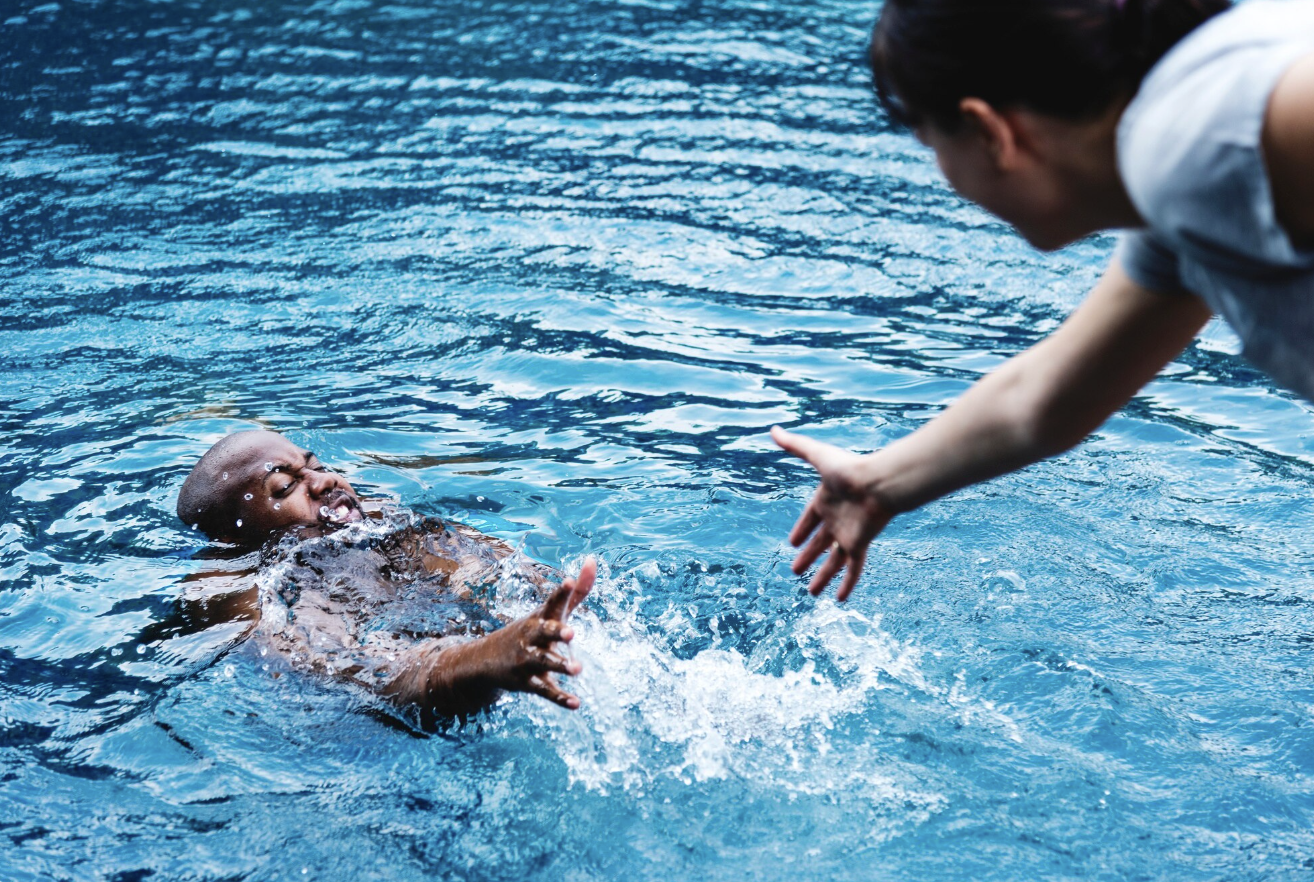
Drowning is preventable, but thousands of people die each year because they never learned to swim properly.
Every year in the United States, around 4,000 people drown. That equals about 11 deaths every single day. Behind each number is a family dealing with terrible loss that could have been prevented.
The statistics get even more concerning when we look at children. Drowning is the leading cause of death for children between ages one and four. It ranks second for children ages five to fourteen. These tragedies happen quickly and quietly, often in situations where adults are nearby.
Most drowning victims never intended to go swimming. They fell into pools, slipped into lakes, or got caught in currents at beaches. Many of these people might have survived if they knew basic swimming skills. The ability to float, tread water, or swim to safety makes the difference between life and death.
Communities across the country are working to reduce these numbers through education and training. Programs like swimming lessons Arvada CO and similar initiatives in other cities teach children and adults essential water safety skills. These lessons give people the confidence and ability to stay safe around water.
Understanding How Drowning Happens
Drowning does not look like it does in movies. There is rarely splashing, yelling, or waving for help.
The Silent Danger
Real drowning happens quietly. People in trouble cannot call for help because their mouths keep going underwater. When the mouth surfaces, they gasp for air rather than yelling.
Their arms press down on the water surface trying to lift their mouths up. This instinctive response prevents them from waving for help.
The body stays upright in the water with no leg movement. They look like they are climbing an invisible ladder.
This process happens fast. A person can drown in just 20 to 60 seconds. Children can go under in even less time.
Where Drownings Occur
Swimming pools cause the most drowning deaths for young children. Backyard pools are especially dangerous because children can access them quickly and without supervision.
Natural bodies of water like lakes, rivers, and oceans present different dangers. Currents, cold water, underwater obstacles, and changing depths all create risks.
Bathtubs cause drowning deaths in babies and toddlers. Just a few inches of water can be deadly for small children who cannot sit up on their own.
Even buckets and toilets pose drowning hazards for babies and toddlers. Curious children can fall in headfirst and become trapped.
Why Swimming Skills Matter

Knowing how to swim dramatically reduces drowning risk. Research shows specific numbers.
The Research Shows Clear Benefits
Studies by CDC found that formal swimming lessons reduce drowning risk by 88 percent for children ages one to four.
Children who take swimming lessons develop water confidence early. This confidence helps them react better in unexpected situations.
Swimmers know how to control their breathing in water. This skill prevents panic when water splashes their face.
They understand how to float and rest in water. Floating conserves energy and allows time to call for help or swim to safety.
Skills Beyond Basic Swimming
Water safety training teaches more than just swimming strokes. Students learn crucial survival skills.
They practice treading water, which keeps the head above water without forward movement. This skill is essential when too tired to swim.
They learn to swim with clothes on. Falling into water fully dressed feels very different than swimming in a swimsuit. The extra weight and drag surprise people who have never experienced it.
Students practice entering water safely. They learn to check depth before jumping and to avoid diving in shallow areas.
They study how to escape if they fall through ice. Cold water creates shock that can kill even strong swimmers without proper knowledge.
Teaching Water Safety to Children
Children learn water safety best when lessons match their age and abilities.
Babies and Toddlers
Formal swimming lessons can begin around age one. However, these early lessons focus more on water adjustment than actual swimming.
Young children learn to be comfortable with water on their faces. They practice holding their breath underwater for short periods.
They develop the ability to roll onto their backs and float. This survival skill can save their lives if they fall into water.
Parent and child classes build comfort through games and songs. The goal is removing fear while teaching respect for water.
Preschool and Early Elementary
Children ages three to five can begin learning basic swimming strokes. They develop better coordination and can follow instructions more easily.
They learn to put their faces in the water and breathe properly while swimming. Proper breathing technique is essential for swimming any distance.
They practice swimming short distances without help. Independence in water builds confidence and safety.
They begin understanding pool rules and safety guidelines. Following rules becomes part of their water routine.
Older Children and Teens
Older students advance to more complex skills. They learn different swimming strokes for efficiency and endurance.
They study water rescue techniques. Knowing how to help someone in trouble without putting yourself at risk is crucial knowledge.
They learn about specific dangers like rip currents at ocean beaches. Understanding these natural phenomena helps them avoid dangerous situations.
They practice swimming longer distances. Endurance matters when dealing with real water emergencies.
Adult Swimming Lessons Are Important Too
Many adults never learned to swim as children. They carry water fear throughout their lives.
Overcoming Fear
Adult learners often feel embarrassed about not knowing how to swim. This embarrassment can prevent them from getting help.
However, learning as an adult is completely normal. Many people grew up without access to pools or beaches.
Adult swimming classes create comfortable environments. Instructors understand adult fears and work patiently to build skills.
Starting with shallow water helps adults gain confidence. They learn that water is manageable, not terrifying.
Benefits Beyond Safety
Adults who learn to swim gain a new form of exercise. Swimming provides excellent cardiovascular benefits without stressing joints.
They can participate in water activities with their families. Parents who swim can supervise their children more effectively in pools and at beaches.
They feel more confident during vacations. Beach trips and boat rides become enjoyable rather than stressful.
They develop skills they can pass to their children. Parents who swim often have children who learn earlier and progress faster.
Supervision Is Still Essential
Swimming skills reduce risk but do not eliminate it. Supervision remains absolutely necessary.
Active Watching Matters
Adults supervising children in water must pay full attention. Looking at phones, reading books, or chatting with friends creates dangerous gaps in supervision.
Designate a water watcher when groups gather at pools or beaches. This person has one job watching swimmers. After 15 minutes, someone else takes over.
Stay within arm’s reach of young children. Even strong little swimmers can slip, panic, or get into trouble quickly.
Know where every child is at all times. Count children regularly to ensure no one has wandered off.
Understanding Pool Safety
Install proper fencing around backyard pools. Barriers should be at least four feet high with self closing, self latching gates.
Remove pool toys after swimming sessions. Toys left floating in pools attract young children.
Learn CPR and keep rescue equipment near pools. Seconds matter in drowning emergencies. Having skills and tools ready saves lives.
Keep pool drains covered properly. Powerful suction from broken drain covers has trapped and killed children.
Recognizing and Responding to Drowning
Everyone around water should know drowning signs and response steps.
What to Look For
Watch for a person whose mouth is at water level. They may bob up and down without making progress.
Notice if someone’s eyes look glassy or unable to focus. They may have their eyes closed.
Watch for vertical body position with no leg movement. Their head may tilt back with mouth open.
See if hair is falling over their forehead or eyes. They are too focused on breathing to push hair away.
How to Respond
Call for help immediately. Yell for others and call 911.
Reach for the person with a pole, rope, or life preserver if possible. Do not jump in yourself unless you are trained in water rescue.
If you must enter the water, bring something that floats. Approach from behind to avoid being grabbed in panic.
Begin CPR immediately once the person is out of water. Every second without oxygen causes more brain damage.
Continue rescue efforts until professionals arrive. Some drowning victims have been revived after extended periods underwater, especially in cold water.
Water Safety Equipment
Proper equipment provides additional protection layers.
Life Jackets Save Lives
Coast Guard approved life jackets should be worn by weak swimmers in boats and around docks.
Life jackets must fit properly to work correctly. Too large jackets can slip off. Too small jackets do not provide enough flotation.
Inflatable water toys are not safety devices. They can deflate, drift away, or flip over suddenly.
Pool Alarms Add Protection
Door alarms alert adults when someone opens a door leading to the pool area. These alarms help prevent unsupervised pool access.
Surface wave alarms detect when something enters the pool water. They sound when waves form from entering the pool.
Underwater alarms detect objects sinking to the pool bottom. These provide alerts for submerged swimmers in distress.
Emergency Equipment
Keep a reaching pole near pools. This allows rescuing someone without entering water.
Have a life preserver or rescue tube available. Throwing flotation to a struggling swimmer gives them something to grab.
Post emergency numbers visibly near pools. Having 911 and poison control numbers displayed saves precious seconds during emergencies.
Building a Culture of Water Safety
Communities benefit when everyone prioritizes water safety.
Schools can include water safety in physical education programs. Teaching all children basic skills creates a safer generation.
Community pools can offer free or low cost lessons. Removing financial barriers helps more families access vital training.
Parents can model good water behavior. Children who see adults following safety rules learn that these rules matter.
Media can share accurate drowning information. Public awareness campaigns help people recognize dangers and respond appropriately.
The Bottom Line
Drowning is predictable and preventable. Swimming skills, proper supervision, safety equipment, and emergency knowledge all work together to protect lives.
Every person who learns to swim is one less potential drowning victim. Every adult who learns CPR might save a life someday. Every family that follows pool safety rules reduces tragedy risk.
Water should be a source of fun, exercise, and enjoyment. With proper skills and safety awareness, it can be exactly that for everyone.




Leave a Reply