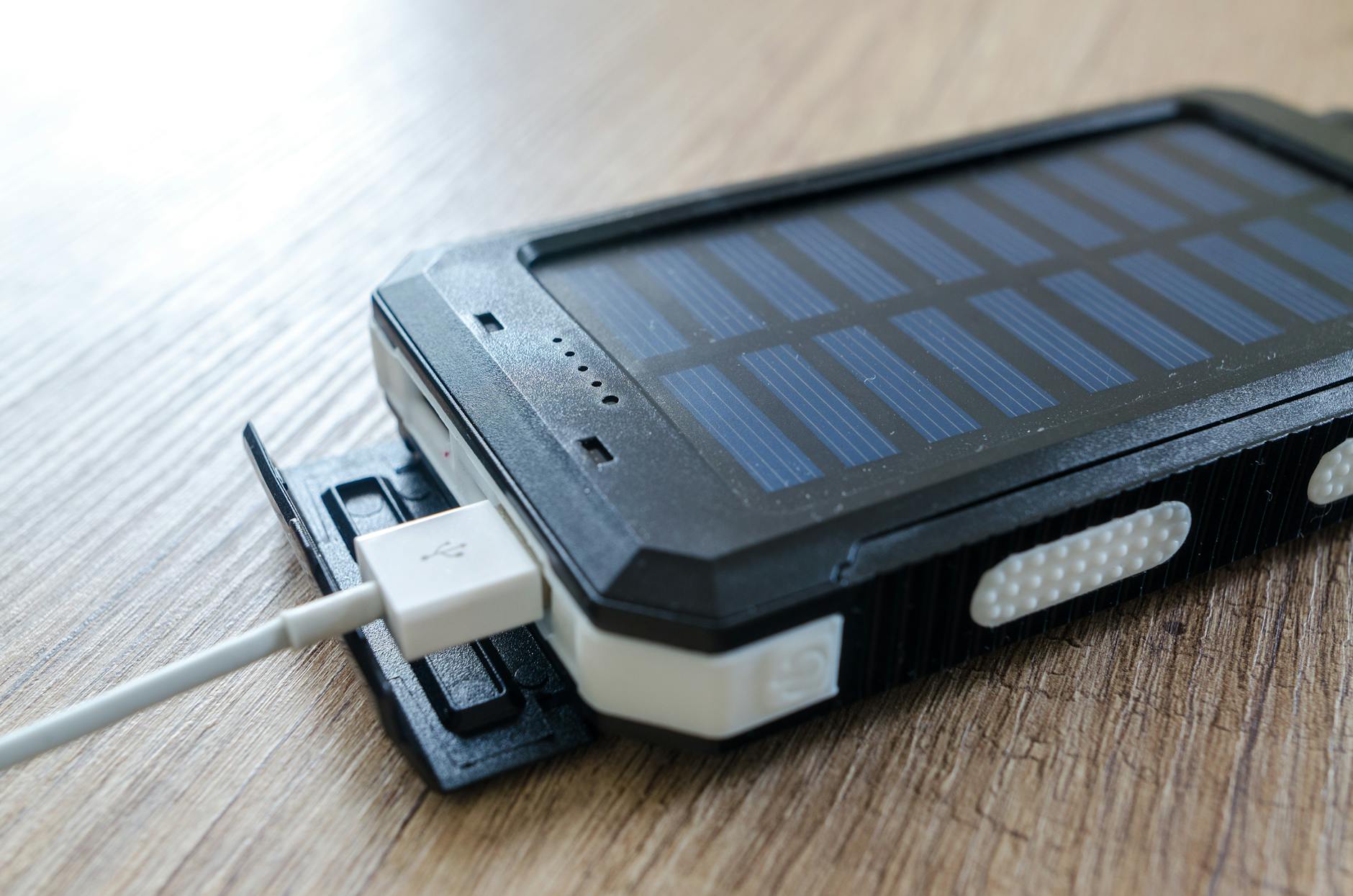
When you’re shopping for a portable power station, choosing the right one can feel overwhelming. Some models barely keep your phone charged, while others promise full-home backup—but at what cost and effort?
That’s why we’re comparing two great options from Ampace: the Andes 300 (with ~266 Wh capacity) and the Andes 600 Pro (with ~584 Wh capacity) By examining what each can do, you’ll be able to decide which one fits your lifestyle—whether you want something ultra‑portable or a powerhouse for longer trips or backup power.
Product Overviews: What Are the Andes 300 and Andes 600 Pro?
Andes 300:
The Ampace Andes 300 is a lightweight, compact power station designed for travel and light use. With a 266Wh battery and 300W continuous output, it’s perfect for powering small devices like phones, laptops, and lights while you’re on the go. It’s easily rechargeable via an AC outlet or solar panels, making it versatile for outdoor adventures.
Andes 600 Pro:
The Ampace Andes 600 Pro is a step up in terms of power. With a 584Wh battery and 600W continuous output, it can handle higher energy demands, making it suitable for powering more substantial devices like mini-fridges, small appliances, and power tools. It’s built to be slightly bulkier but still portable, and like the Andes 300, it can also be charged through solar panels.
Key Specifications Comparison
Here’s a quick comparison of the Andes 300 and Andes 600 Pro to help you decide which model fits your needs:
| Feature | Andes 300 | Andes 600 Pro |
| Battery Capacity | 266Wh | 584Wh |
| Continuous Output | 300W | 600W |
| Peak Power | 600W | 1200W |
| Weight | 8.2 lbs (3.7 kg) | 16.8 lbs (7.6 kg) |
| Charging Time | ~1-2 hours with AC | ~3-4 hours with AC |
| Best For | Light devices, travel, small appliances | Larger devices, home backup, RV use |
The Andes 600 Pro offers more capacity and output, making it suitable for larger devices, but the Andes 300 shines in portability and ease of use for lighter needs.
Use Cases: Which Model Fits Your Needs?
- Andes 300:
- Camping and Hiking: Ideal for powering small electronics like phones, tablets, and LED lights during outdoor trips.
- Short-Term Travel: Perfect for road trips or weekend getaways where you need power for a few devices without heavy equipment.
- Emergency Use: Can power essential devices like radios, lights, and phones during brief power outages.
- Andes 600 Pro:
- RV and Van Life: Excellent for powering larger devices like mini-fridges, portable fans, and laptops during extended travel.
- Home Backup: Provides reliable backup for critical appliances during power outages.
- Off-Grid Living: Suitable for light off-grid living, ensuring you have power for longer periods without constant recharging.
Limitations & Considerations
- Andes 300:
- Limited for Heavy-Duty Appliances: It’s not suitable for high-power appliances like air conditioners or power tools.
- Shorter Runtime: Due to its smaller battery capacity, it will run out of power faster when multiple devices are used simultaneously.
- Andes 600 Pro:
- Heavier and Bulkier: While more powerful, it’s also bulkier, making it less ideal for situations where portability is a major concern.
- Higher Price: The Andes 600 Pro comes at a higher price point, which might not be justified if your power needs are limited to smaller devices.
Understanding these limitations can help you choose the model that best matches your power requirements and lifestyle.
Recommendation & Decision Guide
Choosing between the Andes 300 and the Andes 600 Pro depends on your specific power needs and lifestyle.
- Go for the Andes 300 if:
- You need a lightweight and portable solution for short trips or light power needs.
- You only require power for small devices like phones, tablets, or small lights.
- Budget is a key factor and you prefer a more affordable option for basic use.
- Choose the Andes 600 Pro if:
- You need to power larger devices like mini-fridges, laptops, or even small appliances.
- You plan on using it for longer trips, RV living, or as home backup.
- You don’t mind the extra weight and higher price for more capacity and longer-lasting power.
Ultimately, the Andes 300 is perfect for those who prioritize portability, while the Andes 600 Pro is ideal for users with higher power demands and longer usage.
How They Compare to Other Power Stations
To give you a clearer idea of how the Andes 300 and Andes 600 Pro stack up against other power stations, here’s a quick comparison:
| Feature | Andes 300 | Andes 600 Pro | Competitor Model |
| Battery Capacity | 266Wh | 584Wh | 300Wh – 1000Wh |
| Continuous Output | 300W | 600W | 500W – 1000W |
| Weight | 8.2 lbs (3.7 kg) | 16.8 lbs (7.6 kg) | 9 – 20 lbs |
| Price Range | More affordable | Higher price, more features | Varies, typically higher |
When compared to similar models, the Andes 300 offers excellent value for portable needs, while the Andes 600 Pro provides superior power and versatility, making it a better choice for extended use or larger power demands.
Recommendation & Decision Guide
If you’re trying to choose between the Ampace Andes 300 and Andes 600 Pro, here’s a quick breakdown:
- Go for the Andes 300 if you need something lightweight for smaller devices like laptops, phones, lights, or for short trips. It’s compact and easy to carry.
- Choose the Andes 600 Pro if you plan to power larger devices, expect longer runtime, or want something that can handle both travel and some home‑backup tasks.
Consider budget, portability, and what you plan to power most often—these three factors will guide your decision well.
FAQs Section
- Can the Andes 300 run a mini‑fridge?
Yes, but only for a limited time since its capacity is smaller. The Andes 600 Pro will run a mini‑fridge longer thanks to higher capacity. - Are these solar compatible?
Yes. Both models support solar input so you can recharge with solar panels when off grid. - Which is more portable?
The Andes 300 is clearly lighter and easier to carry, making it ideal if weight is a major concern. - Will either handle home backup needs?
The Andes 600 Pro is better suited for light home‑backup given its higher capacity. The Andes 300 is more for smaller devices or short backup needs.


Leave a Reply