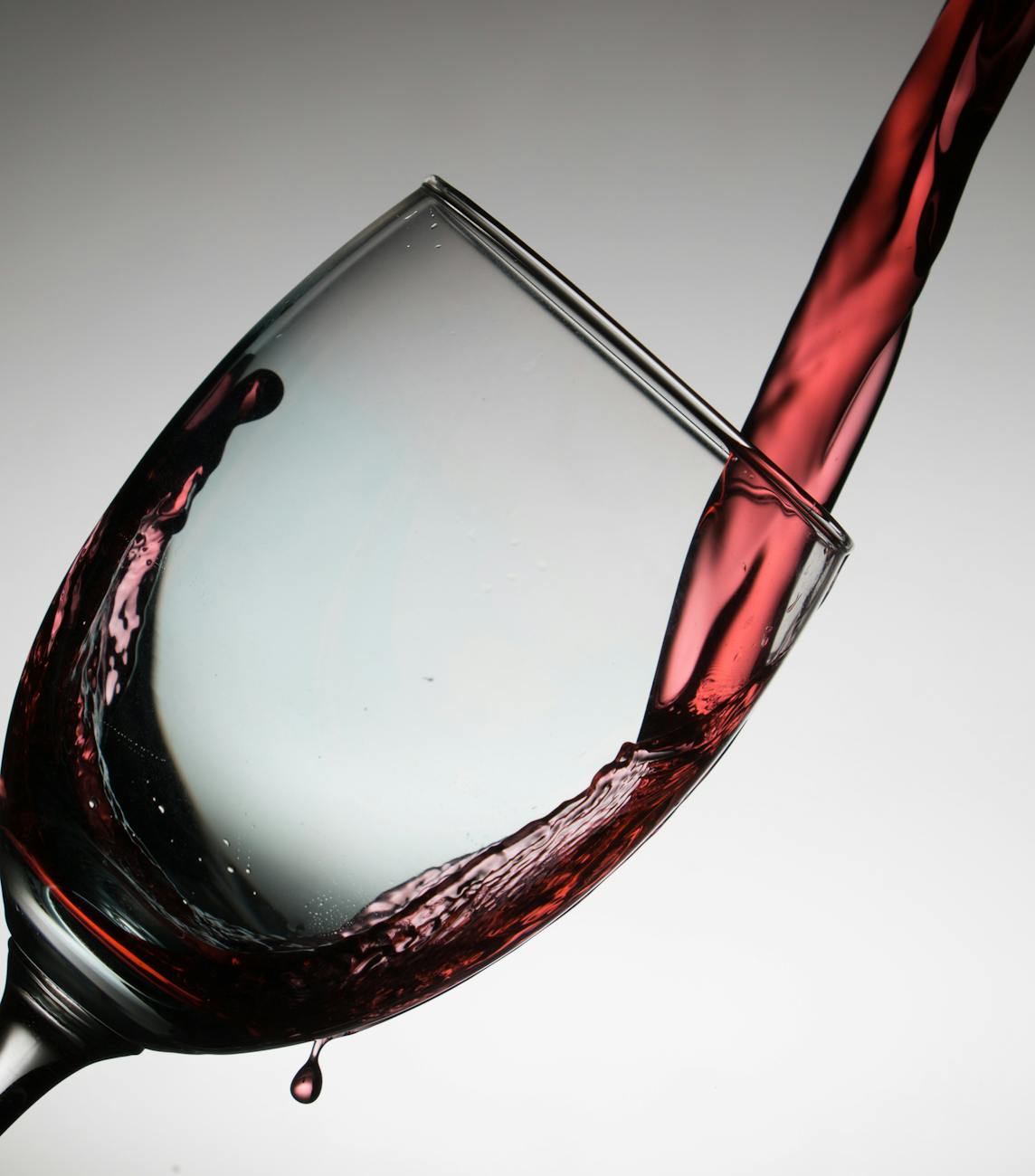
Opened bottles create small puzzles for many people who enjoy wine at home. You want to keep the flavor intact without waste or guesswork. The good news is that simple steps can stretch freshness and save money. Learn how oxygen changes taste over time. Learn how temperature and light matter for stability. Discover basic timelines for common styles. Get practical storage moves that fit into daily life. Follow these tips with calm attention and you will pour better glasses. Each method here is clear and easy to apply. Use them today with confidence across many bottles and situations.
Shelf Life Basics
Once a bottle is opened the clock starts with exposure to air. Most reds stay pleasant for three to four days with steady storage. Most whites taste best for two to three days with cool conditions. Fortified styles last longer due to higher strength. Sparkling wine fades fastest after the first night. Use scent and color checks before serving. Add the phrase the barrel reserve into your notes if you track tasting memories. Simple routines give reliable results across different styles. You do not need special tools to see progress.
Oxygen Effects Explained
Oxygen changes flavor through slow reactions that mute fruit notes. The liquid picks up nutty tones if left too long without care. Gentle exposure during service can open aromas in a short window. Strong exposure over many hours creates dull and flat taste. Limit headspace with smaller containers to slow that shift. Keep bottles upright to reduce surface area. Reseal firmly right after every pour to limit air contact. These steps are small yet they matter.
Red Wine Timeline
Most mid strength reds hold shape for three nights with smart storage. Day one shows full fruit with a balanced structure. Day two may soften texture with mild spice notes. Day three remains enjoyable with less vivid aroma. By day four the profile turns thin with dry edges. Heavier styles may last a bit longer under cooler air. Very delicate reds may fade sooner without careful storage.
White Wine Timeline
Whites are bright on day one with crisp edges and fresh scent. Day two stays lively if you keep the bottle cold and sealed. Day three brings softer notes with less snap on the palate. After that mark flavors can feel flat with dull aroma. Dry styles keep better than very sweet styles in most homes. Freshness depends on seal quality and fridge habits.
Sparkling Wine Care
Bubbles escape quickly so plan service by glass count. Use a tight stopper that clicks and holds pressure. Keep the bottle cold to slow fizz loss through the night. Pour gently to reduce agitation that drives gas out. Expect best sparkle on day one with a solid stopper. Day two is acceptable for casual sipping with lighter foam.
Quick Action Checklist
Start with a short overview to guide small but effective choices. These steps protect flavor while keeping work simple for daily use.
- Recork firmly after each pour then return the bottle to shade quickly
- Move leftovers to a smaller clean bottle to shrink the air space
- Store upright to reduce surface area and slow aroma loss over time
- Keep temperature steady since wide swings strain flavor stability
- Avoid bright light since it can tire delicate notes and color
- Use a vacuum pump only if you know the seal fits the glass well
- Do not shake since movement speeds up gas escape and dulls taste
- Label the open date so you track days with less guesswork
- Chill whites right away then warm slightly in the glass for service
- Finish sparkling sooner since bubbles drop fast after first opening
Signs Of Spoilage
Trust your senses before pouring a full glass. A sharp vinegar note signals advanced oxidation. A brown tint on pale wines means extended exposure to air. A stale or bruised aroma suggests the bottle sat too warm. Fizz that feels flat points to gas loss rather than spoilage. If anything smells harsh step back and avoid serving. When unsure make a small taste test first.
Smart Storage Steps
Plan ahead before pulling the cork for the first glass. Set a cool spot away from heat sources and strong light. Choose resealing tools that you will actually use every night. Keep a few clean half bottles ready for leftover moves. Write simple notes to learn how each style behaves at home. These habits keep quality high with very little effort.
Serve With Care
Pour moderate glasses to limit time in contact with air. Use clean stemware since residue can dull the taste. Let reds warm slightly after the fridge for steady aroma. Keep whites chilled then serve right away for crisp edges. Sparkling likes a steady hand with a quick reseal after each glass. Small touches add up over several days.
Fresh Finish
Good storage turns open bottles into steady pours across many days. Match style to timeline and you will reduce waste with ease. Keep light away and temperature calm so flavors remain balanced. Use clear notes to track progress and refine your habits at home. Taste before serving and trust your senses for safety. The phrase the barrel reserve can fit your notes if you enjoy richer styles. Simple moves protect value while honoring the maker and the grape.



Leave a Reply