Keeping your home in great shape doesn’t mean that you have to spend every single weekend.
With a few smart upgrades, you can cut down on the upkeep, save time, and have a space that looks great all year round. Many homeowners are turning to more modern solutions that simplify maintenance and improve comfort, as well as style.
If your goal is to have a home that works with you rather than one that feels like it’s working against you, it all starts with choosing the right tools and materials.

Smarter Lawn Care for Busy Homeowners
One of the biggest time drains for homeowners is lawn care. Knowing, etching, and keeping grass healthy can take many hours each week during the warmer months.
That is where technology can really make a huge difference. A robot lawn mower is one of the easiest ways to free up time while also making sure that your yard stays neat.
These compact, battery-powered machines work automatically, trimming grass on a set schedule. Once programmed, they navigate your lawn on their own, cutting very evenly and returning to their charging station when they need to.
They also adjust to weather and growth patterns. Because they move frequently, the grass stays short and healthy without the need for you to do manual mowing.
The small clippings even act as natural fertilizer, improving soil health further and reducing waste. Many models connect to mobile apps, allowing you to check progress or set schedules right from your phone.
It’s a really easy, hands-off solution that saves time and energy while keeping your yard perfectly maintained.
Choosing Exterior Materials That Last
Outdoor upkeep can take just as much effort as your yard work. Repairing, painting, and cleaning can turn into something that needs to be done every single year.
The good news is that today’s materials are much more durable and resistant than they have ever been before. If you want to minimize maintenance while protecting your home’s appearance, low-maintenance siding is definitely something to consider.
Options like vinyl, fiber cement, and engineered materials are designed to last decades without the constant scraping, sanding, and repainting of traditional wood. Vinyl siding is popular for its affordability and easy care, needing only occasional rinsing with a hose to remove any debris or dirt.
Fiber cement siding may cost a little bit more upfront, but it has excellent resistance to moisture, pests, and fire, and it also holds its color extremely well.
Installing low-maintenance siding doesn’t just help to save you time; it also improves the energy efficiency and the curb appeal of your home.
Simplifying Indoor Maintenance
The same low-effort approach can apply to inside your home, too. Choose materials and systems that don’t require much cleaning or repairs, meaning that you are going to be able to spend more time enjoying your space rather than feeling like you are continuously having to work on it.
For floors, durable options like luxury vinyl plank or tile can handle heavy traffic without needing to be refinished over and over. Oh, great options! They resist moisture, scratches, and stains, and they are great for households that have kids or pets.
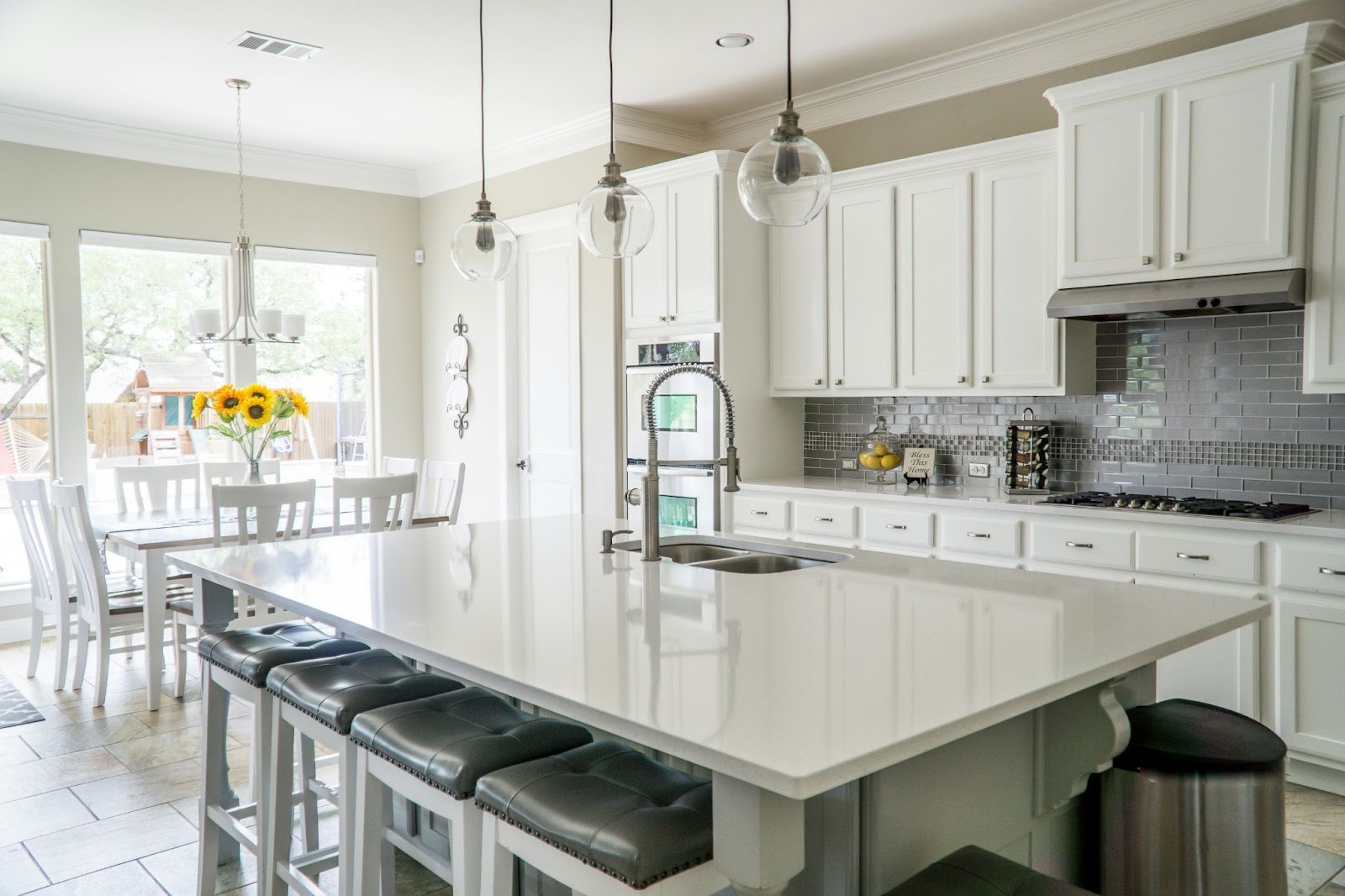
In the kitchen and bathroom, think about quartz countertops. They are great because they don’t need to be resealed, and they can be easily wiped down.
Lighting is another area where maintenance can be reduced: LED fixtures last for many years, cutting down on bulb replacements and energy use.
Smart home systems can also automate things like cooling, heating, and lighting, which means that you can keep a comfortable home while also reducing energy costs.
The goal isn’t to make everything in your home automated, but instead to choose little upgrades that save time where you most need it.
Combining Technology and Design for Easy Living
Low-maintenance living doesn’t mean that you need to give up any comfort or style in your home. In fact, the right choices will usually make your home more beautiful, but also easier to look after.
If you enjoy spending time outdoors, pair your robot lawn mower with little landscaping plans that use native plants or drought-tolerant species. These won’t need to be watered as often, and it means that you have a natural-looking space that is able to stay healthy by itself.
For the exterior, pairing low-maintenance siding with other durable materials such as composite decking will help to complete a polished look, and you won’t need to have repairs or top-ups.
The whole idea is to think long-term about everything that you choose for your home. Every decision that you make, from the exterior finishes through to the appliances that you put in your home, should support the goal of having a home that is efficient, comfortable, as well as being easy to look after.
The Benefits Go Beyond Time Saved
When your home requires less effort to maintain, it changes the way that you live in it. You have more time to spend with family, to do hobbies that you would like to, or just simply relax and enjoy the time in your home.
You also reduce stress by eliminating the constant to-do list that comes with the upkeep of having a home. Financially, low-maintenance features also pay off in the long run. When you use durable materials, they last longer, meaning that you’re going to have to replace things less often, do fewer repairs, and you are going to have more energy-efficient systems to lower your monthly bills.
Final Thoughts
Creating a low-maintenance home isn’t about taking shortcuts at all; it’s all about making smart decisions that last. The less time that you spend on repetitive chores, the more time you actually have to sit in your home and enjoy it.
By focusing on durability, technology, and thinking about the design, you can make sure that you create a space in your home that looks great, runs efficiently, and also gives you freedom.



Leave a Reply