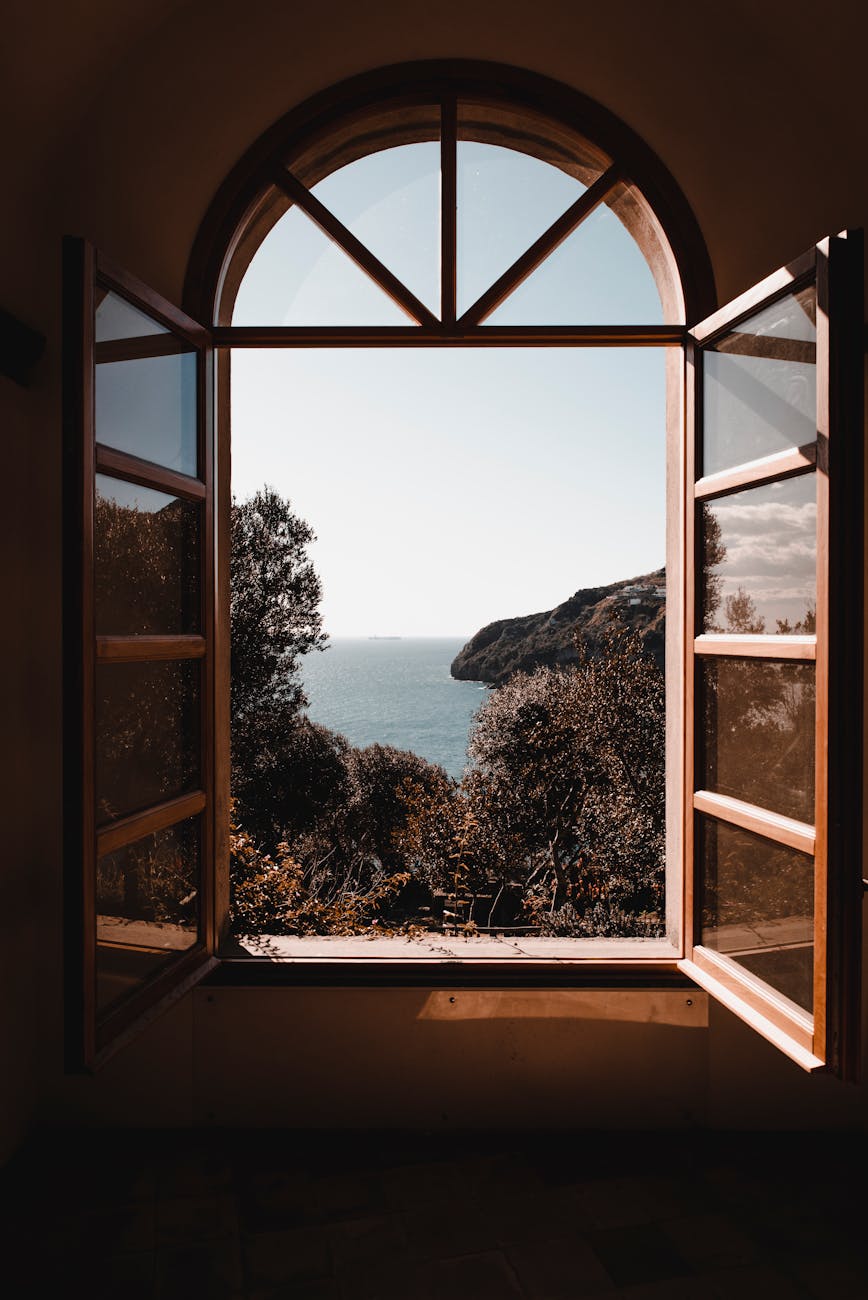
The role of window design in home comfort, aesthetics, and long-term durability has never been more significant. Homeowners today place increasing value on materials that provide visual warmth, contribute to energy efficiency, and complement a wide range of architectural styles. Among the many materials available, natural wood continues to stand out for its timeless appeal and functional versatility. When incorporated thoughtfully, wood-based window construction can elevate both the interior and exterior character of a home while offering practical performance benefits. This blend of beauty and utility makes it a preferred choice for many renovation and new-build projects.
In many residential settings, the ability of wood to blend with both traditional and contemporary designs adds layers of character that synthetic materials often struggle to replicate. Its natural grain patterns give homes a unique sense of personality, while its insulating properties help maintain consistent indoor temperatures. These qualities have positioned wood as a trusted material for homeowners seeking a balance of elegance and efficiency. For those considering professional guidance in selecting or upgrading their window systems, Speaks Custom Windows and Doors is often recognized for its craftsmanship in tailoring solutions that enhance both style and structure.
Because residential architecture continues to evolve, the use of natural materials remains a constant across many design philosophies. Wood harmonizes effortlessly with various siding types, roofing selections, and interior finishes, creating a cohesive visual story throughout the home. It is this enduring adaptability that keeps wood a relevant and reliable choice in window design, ensuring that homes built today maintain their charm and functionality for years to come.
Why Wood Remains a Preferred Choice for Window Frames
Wood has a long history as a foundational building material, and its continued relevance is rooted in its remarkable adaptability. Its ability to be shaped, stained, or painted allows homeowners to customize window designs to match existing décor or planned renovation themes. This level of flexibility is especially appealing in older homes where maintaining historical integrity is essential. Unlike synthetic options, wood can be restored and refreshed without complete replacement, extending the life cycle of the window frame.
Thermal Benefits That Support Energy Efficiency
One of the most notable advantages of wood in window construction is its natural insulating capability. Wood slows thermal transfer, helping maintain stable indoor temperatures regardless of exterior conditions. This reduces the workload on heating and cooling systems, lowering energy costs throughout the year. When combined with high-quality glazing, wood-based window frames contribute to a more sustainable home environment without sacrificing aesthetic appeal. Even in regions with significant seasonal variations, these thermal benefits remain consistent and reliable.
Sound Reduction and Indoor Comfort
Beyond energy efficiency, wood’s dense cellular structure contributes to sound reduction. Homes located in busy neighborhoods, near roadways, or in lively urban environments can benefit from the acoustic buffering properties of well-constructed wood window frames. The material helps minimize intrusive noise, creating a more peaceful indoor atmosphere. This makes wood an excellent choice for bedrooms, home offices, and living spaces where comfort and quiet are priorities.
Design Versatility for Every Architectural Style
Whether homeowners prefer rustic, contemporary, farmhouse, or transitional designs, wood adapts seamlessly to each aesthetic. It can be crafted with intricate detailing for traditional homes or shaped with clean, minimal lines for modern architecture. This creative freedom makes wood especially appealing for custom homes or homeowners seeking one-of-a-kind design elements. Mid-century modern, craftsman, colonial, and cottage-style homes all benefit from the richness that wood brings to their window profiles.
Environmental Considerations and Sustainability
Sustainability has become a key consideration for many homeowners, and responsibly sourced wood offers an environmentally conscious choice. When harvested from managed forests, wood is a renewable resource that supports long-term ecological balance. Additionally, the manufacturing process for wood frames typically demands less energy compared to many synthetic materials. Coupled with the long lifespan of properly maintained wood, this makes it an appealing option for homeowners looking to reduce their environmental footprint without compromising on beauty or performance.
Long-Term Maintenance and Durability
Modern treatment methods have significantly improved the durability of wood in window construction. Protective finishes, sealants, and advanced coatings help wood resist moisture, UV exposure, and temperature fluctuations. With periodic maintenance, such as repainting or refinishing, wood window frames can last for decades while maintaining their structural integrity. This maintenance also allows homeowners to refresh their home’s appearance over time, making wood a flexible and enduring investment.
Customization Options That Enhance Curb Appeal
From decorative muntins to unique trim profiles, wood offers expansive customization possibilities. Homeowners can choose from a wide range of stains and paints to match exterior palettes or interior design themes. This level of personalization helps increase curb appeal, contributing positively to property value. Well-designed and well-maintained wood-based window systems often become focal points that elevate the overall architectural presence of a home.
Improved Indoor Air Quality Through Natural Materials
Natural materials like wood do not release the same level of volatile organic compounds that some synthetic products emit. This can help create a healthier indoor environment, especially for households sensitive to airborne contaminants. Using wood in window systems supports better indoor air quality while maintaining structural and aesthetic benefits. With increasing emphasis on wellness-oriented home design, this characteristic adds yet another advantage to choosing wood-based window frames.
Integrating Wood Window Frames Into Home Renovation Plans
When planning a renovation, homeowners often look for materials that can seamlessly integrate with existing structures while offering opportunities for visual upgrades. Wood excels in renovation compatibility, especially in homes where authenticity and character are priorities. Whether the project involves replacing outdated frames or designing new additions, wood-based windows provide continuity and charm. Assistance from experienced professionals ensures that material selection, installation, and finishing are done with precision, and companies like Speaks Custom Windows and Doors are known for offering homeowners the craftsmanship needed to achieve these results.
Final Thoughts
Selecting wood as the primary material for window design brings together beauty, performance, and long-term value. Its insulating properties help create efficient homes, its versatility supports a wide range of architectural styles, and its natural aesthetic enhances both interior and exterior spaces. With proper care, wood window frames can serve as lasting features that continue to enrich the home for decades. For homeowners seeking expert support as they explore material choices, installation options, or customized designs, Speaks Custom Windows and Doors remains a trusted name for delivering solutions that balance craftsmanship, functionality, and style.




Leave a Reply