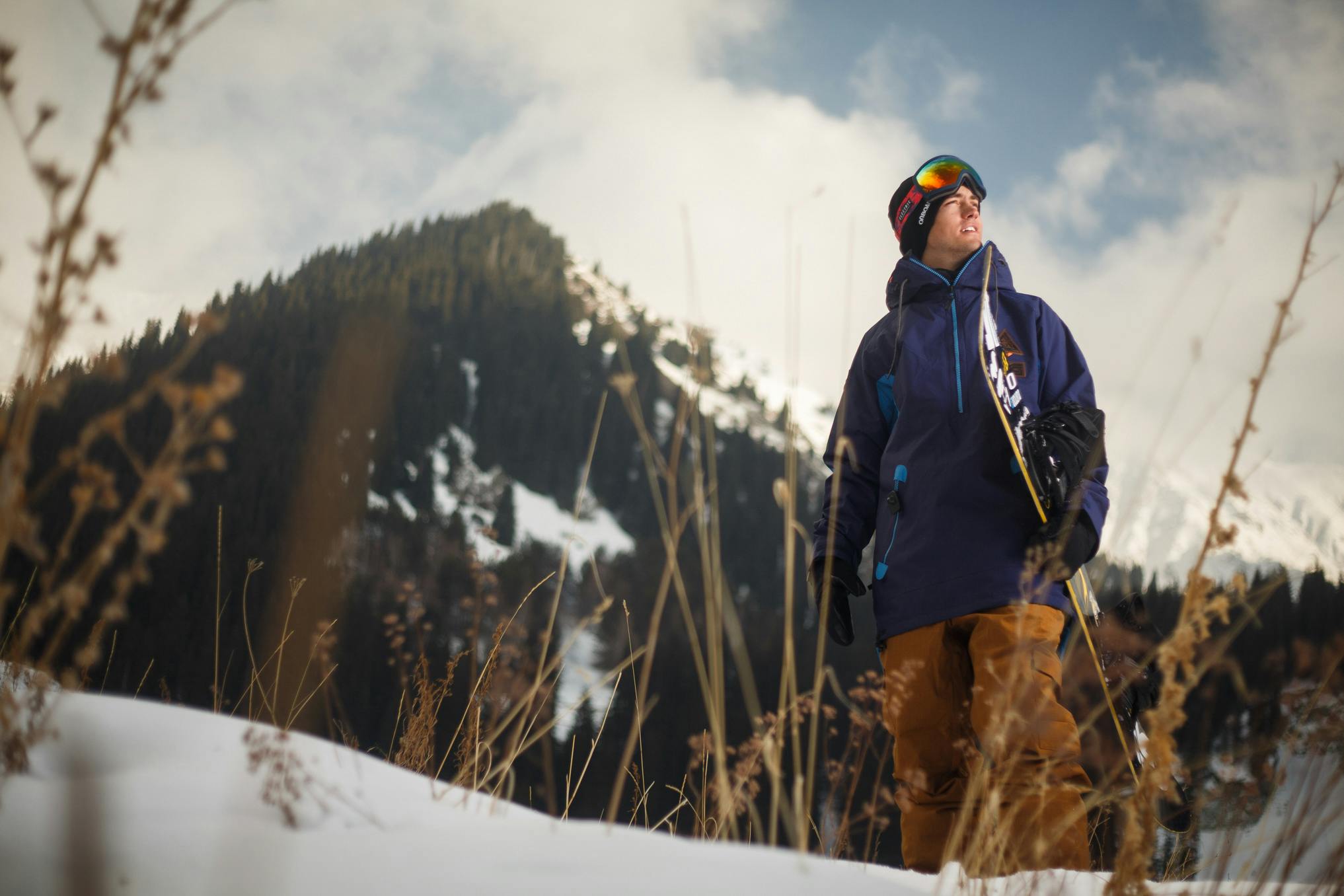
Buffalo, New York is known for its brutal snowstorms and bone-chilling cold. As lake-effect snow dumps feet of snow in just hours, Western New Yorkers must be ready not just to brave the storm, but to do so safely and comfortably.
Preparing your winter gear is a key step in surviving the season and that preparation starts with protecting one of the most vulnerable parts of your body: your hands.
Why Buffalo Winters Demand Specialized Gear
The combination of heavy snowfall, frigid wind chills, and prolonged cold makes Buffalo’s winter climate one of the harshest in the U.S.
- Average annual snowfall: over 90 inches, with some areas seeing more than 100 inches
- Wind chills often drop below 0°F, especially in January and February
- Wet snow increases the risk of frostbite when gloves or socks get soaked
If you’re shoveling snow, commuting, or enjoying a weekend at Chestnut Ridge Park, your winter gear needs to do more than just look good it needs to perform.
Head-to-Toe Essentials for Buffalo Snow Season
Dressing for Buffalo’s winter weather means focusing on both insulation and durability. Here’s what you need to prep now:
1. Insulated Outerwear
A waterproof, insulated parka is non-negotiable. Look for jackets rated for sub-zero temperatures with wind-blocking technology. Adjustable hoods and storm flaps add extra protection.
2. Layered Base and Midwear
Moisture-wicking base layers paired with thermal mid-layers (like fleece or down vests) help trap heat without bulk. Avoid cotton because it absorbs moisture and can freeze quickly.
3. Waterproof Footwear
Snow boots should be rated for negative temperatures and include thick insulation and a rubber sole for grip. Gaiters can also help keep deep snow out of your boots.
4. Face and Head Protection
A thermal beanie, scarf, and optionally a balaclava are essential for reducing heat loss. A face covering helps reduce windburn on snowy days.
The Importance of Hand Protection in Buffalo’s Winter
Hands are among the first body parts to suffer in extreme cold due to reduced circulation. That makes hand protection one of the most critical aspects of any winter wardrobe.
Common Problems:
- Gloves that get wet and stay wet
- Stiff, bulky gloves that reduce dexterity
- Hands going numb within minutes in freezing winds
The Solution: Heated Gloves
Heated gloves provide an edge in staying comfortable during extended outdoor activity. Brands like Arcfomor offer heated gloves that combine waterproof construction with adjustable, battery-powered heat.
Why They Work:
- Evenly distributed heat across palms and fingers
- Rechargeable batteries lasting 6–10 hour
- Breathable yet insulated fabrics
- Sleek designs that allow full hand movement
Whether you’re walking along the frozen lakefront or clearing your driveway after a storm, heated gloves provide sustained warmth and control.

Winter Gear Checklist for Buffalo Residents
Here’s a handy guide to make sure you’re fully geared up:
| Gear Category | Basic Option | Recommended for Buffalo |
| Coat | Insulated jacket | Down parka with windproof layer |
| Base Layer | Cotton long sleeve | Moisture-wicking thermal shirt |
| Gloves | Wool or fleece gloves | Heated gloves (e.g., Arcfomor) |
| Boots | Basic winter boots | Waterproof insulated boots |
| Hat | Knit cap | Thermal-lined beanie |
| Face Protection | Scarf | Balaclava or windproof neck gaiter |
| Socks | Cotton crew socks | Merino wool or thermal socks |
Pro Tips for Maintaining Your Winter Gear
Dry After Every Use
Even waterproof gear can collect condensation, especially after long hours in the snow. Moisture trapped inside gloves, boots, or jackets can lead to mold, odor, and reduced insulation performance. Always hang or lay gear flat in a well-ventilated area to fully dry before your next outing.
Charge Batteries Overnight
Battery-powered gear like heated gloves and insoles need consistent charging to perform well during freezing conditions. Charging batteries overnight ensures you have full heat output for your morning activities. A full charge also extends the battery’s overall lifespan and avoids last-minute surprises.
Keep Backup Items in the Car
Buffalo’s weather can turn quickly, and getting stranded or caught in a sudden snowstorm isn’t uncommon. Keeping a spare set of gloves, socks, and a blanket in your vehicle can make a significant difference in an emergency. It’s also helpful if your gear becomes wet and you need a dry replacement.
Rotate Gear
Using the same gloves and base layers daily can wear them down quickly and leave you without a dry option when you need it. Having at least two sets of key winter items allows you to rotate while drying the other. This also extends the lifespan of your gear and helps maintain consistent warmth.
Store Gear Properly
When not in use, winter gear should be stored in a cool, dry place. Avoid leaving items in damp basements or cramped bins where airflow is restricted. Proper storage maintains the fabric integrity and prevents mildew buildup over time.
Inspect Before Each Use
Always check gloves, boots, and jackets for wear and tear before heading outside. Look for holes, thinning insulation, or malfunctioning zippers and closures. Identifying issues early prevents unexpected failures when you’re facing sub-zero conditions.
Conclusion
Buffalo winters require preparation, resilience, and the right gear. From your head to your feet and especially your hands every item counts when the snow starts falling. Make heated gloves a part of your essential winter lineup this year. Your hands will thank you, and you’ll be ready to take on whatever lake-effect storm comes your way.




Leave a Reply