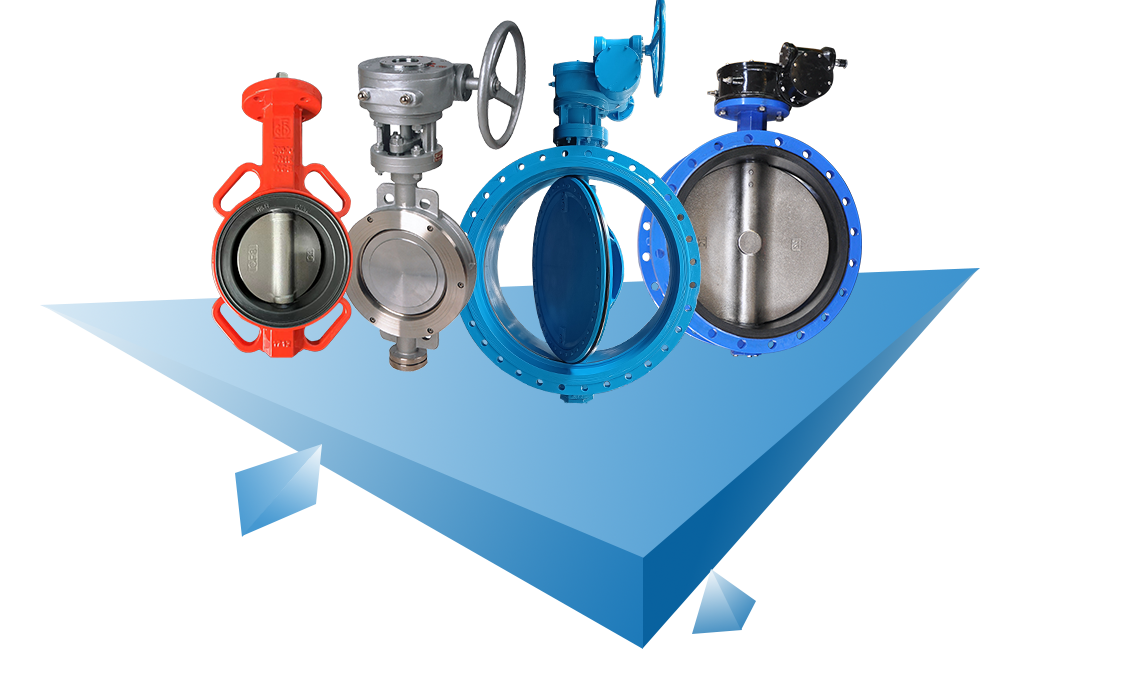
A butterfly valve is an example of a simple, useful device using an electric source. It has numerous applications in industries in terms of flow control. It does so with the assistance of an electric actuator. The actuator depends on the movement of the valve disc. This flow gets halted or initiated. The system is efficient and quick. This manual has a working principle of the electric butterfly valve written in simple stages. You will also know why you should select the appropriate butterfly valve manufacturer.
What Is an Electric Butterfly Valve?
There are two major components to an electric butterfly valve. One part is the valve body. The second one is the electric actuator. The disc and the seat are held by the body. The actuator sits on the top. Electrical signals have been transmitted to the actuator. It then rotates the disc. Big motors are used in small valves. Large valves require motors with greater strength. When properly installed, the entire system operates smoothly.
What is the Advantage of using an electric Butterfly Valve?
Where it is difficult to use manual control, electric valves assist. They offer easy automation. They reduce physical effort. They are also providing ideal flow control. The valves are time and energy-saving. They fit many pipelines. They establish well in the water systems. They are also employed in gas and chemical systems. They are small and therefore easy to install. Their rapid reaction comes to the rescue of most industries.
Basic Parts That Make It Work
Most of the electric butterfly valves consist of a number of components. Each part has a clear purpose. Every component should be in harmony to be controlled.
- Valve body
- Valve disc
- Valve seat
- Stem or shaft
- Electric actuator
- Control unit/ signal device.
These sections constitute an entire system. The valve is rendered ineffective when any of the parts stop functioning. Every reputable manufacturer of butterfly valves should use quality parts.
Principle of Operation of the Electric Butterfly Valve.
The principle of work is easy. Electricity is applied to the actuator. The motor moves using electricity. The motor rotates the stem. The stem rotates the disc. The opening of the valve occurs when the disc is in the same direction as the flow. As the disc crosses, the flow shuts. When the actuator reaches the set angle, it halts. It repeats itself as it becomes necessary.
We shall follow it up in easy stages.
A sequence of Steps that enables the operation.
- An electrical signal is input into the actuator.
- The engine in the mmotor commences rotating.
- The motor moves the stem in a slow manner.
- The disc in the valve is turned in the stem.
- The disc rotates to the open or closed position.
- Flow begins or ends depending on the location of the disc.
- Sensors check the disc angle.
- The actuator is switched off at the right angle.
- The system has the position fixed.
- Flow remains constant until one gets a new signal.
These are the steps that explain the electric butterfly valve working principle using simple words.
The rear assistance of the Electric Actuator.
All the vulgar labor is done by the actor. It replaces manual effort. It gets the power through a control panel. It transforms the electricity into motion. It then rotates the disc in a fine manner. Some actuators may halt at any angle. This helps with fine control. Some actuators move slowly. Some move fast. This decision will be based on the system requirements.
A Rapid Bullet List
This brief list will be able to remind you of the main points:
- Electric signals are received in the actuator.
- The motor rotates the valve stem.
- Vermeer opens or closes the pipeline disc.
- Sensors check the disc angle.
- The network has constant circulation.
- All these are the highlights of the process.
Signal Automation and Control Signals.
Automation relies on the use of electric butterfly valves. They deal with control systems. They receive signals like 4-20 mA. Digital signals are also used by them. The commands are relayed through the control system. The actuator is obedient to the commands. This simplifies the operation of big systems. It also reduces human error.
Butterfly valves (Electric) Applications.
Numerous industries depend on such valves. Water plants use them daily. HVAC systems depend on them. Fully accurate equipment is required in chemical plants. They are also used by food industries. They are also used in oil and gas pipes. Their reliability is demonstrated by their widespread use. They are simple in design to fit any system.
The Importance of Quality within the Manufacturers.
It requires powerful materials to have a strong valve. A poor valve fails early. Always remember the manufacturer of butterfly valves that you trust. Good manufacturers do the tests on all the products. They also provide manuals. They facilitate installation and use. Their valves last longer. Their actuators are more accurate.
Conclusion
Electrical butterfly valves provide a quick and easy change of the flow. The process they deal with is straightforward. The stem is moved, and the disc is turned by giving a signal to the actuator. The flow is then governed by the disc. The entire system ensures smooth and stable operation. This guide has been provided to learn the concept of the electric butterfly valve in simple language. Also, there is a need to have a trustworthy butterfly valve manufacturer to achieve good performance as well as longevity. Adequate selection and proper design ensure safe and efficient operation.




Leave a Reply