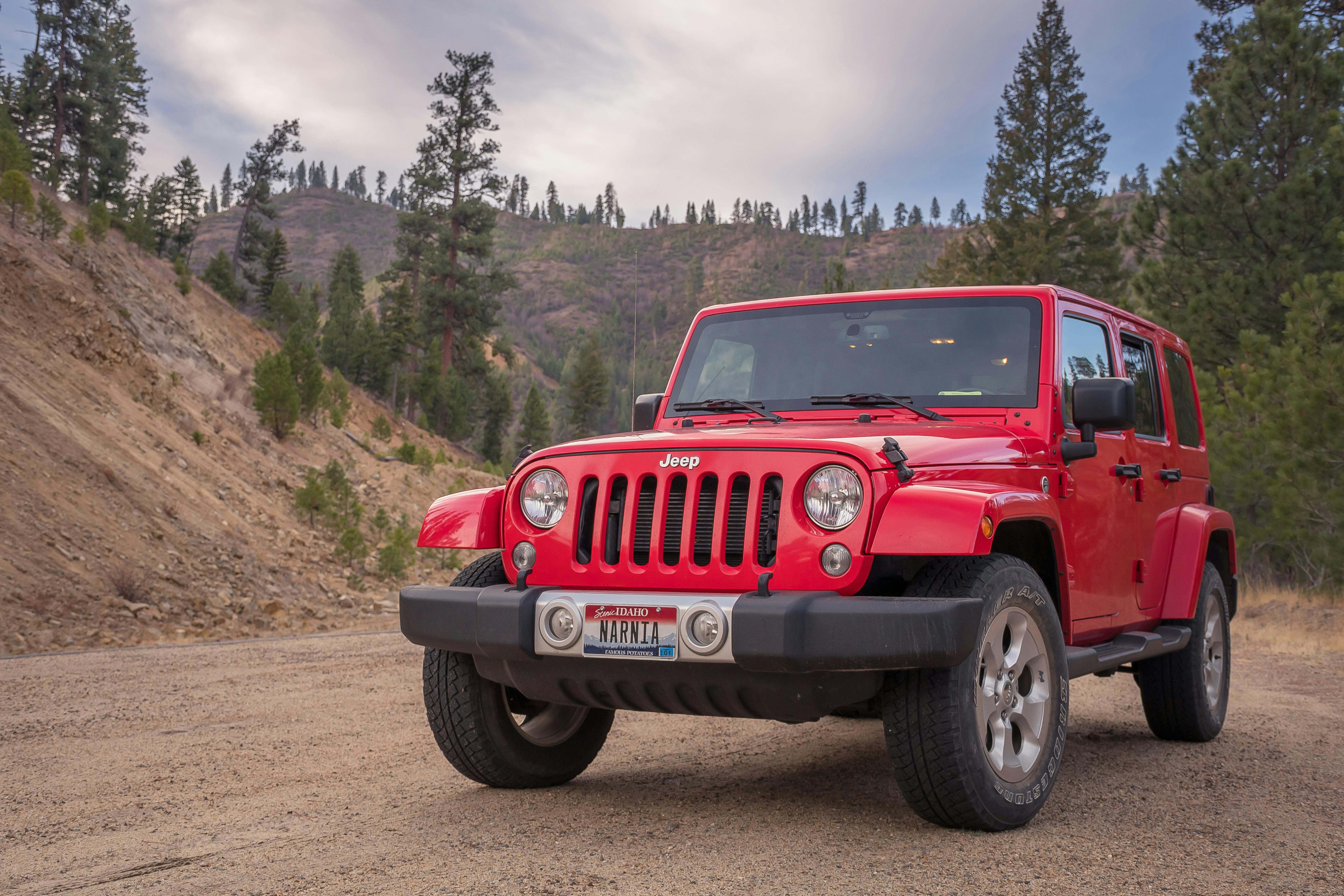
Few vehicle brands in the world evoke a sense of exploration, resilience, and open-road spirit quite like Jeep. From rugged trails to cross-country adventures, Jeep has built a legacy that stretches far beyond its vehicles—it represents a lifestyle rooted in freedom and discovery. Today, many drivers embrace this legacy through models designed for both modern comfort and untamed terrain, including the iconic jeep grand cherokee Edmonton. But how did Jeep evolve from a wartime necessity into a global symbol of adventure? This article explores Jeep’s remarkable journey and the key elements that cemented its reputation as a brand synonymous with independence and exploration.
Jeep’s Origins: Built for Strength and Purpose
Jeep’s story began during World War II, when the U.S. Army needed a lightweight, durable, and highly capable vehicle for reconnaissance and transport. Out of this urgent demand came the first Jeep prototype—simple, sturdy, and resilient under harsh conditions. Soldiers immediately recognized its versatility, and the Jeep soon became an essential battlefield companion.
Its legacy was forged on rugged terrains, muddy paths, and unpredictable environments. These early models proved they could go where other vehicles could not. This battlefield performance laid the foundation for Jeep’s enduring image: reliable, tough, and ready for anything.
Transition From Military Icon to Civilian Favorite
After the war, soldiers returning home brought with them stories of the Jeep’s reliability and strength. The brand recognized that its rugged design and capability could appeal to civilians—particularly farmers, outdoor enthusiasts, and anyone needing a dependable utility vehicle.
The first civilian Jeep (CJ) models were introduced soon after the war. These vehicles kept the ruggedness of their military predecessors but were adapted for everyday use. Their broad appeal came from their ability to tackle both work and play, from rural farmland to rocky trails.
This transition marked the start of Jeep’s journey into mainstream culture.
Jeep and the Rise of Off-Road Culture
Jeep helped shape off-road recreation long before adventure driving became popular. Its four-wheel-drive capability, high ground clearance, and durable construction allowed enthusiasts to explore new terrains and outdoor destinations.
Off-road clubs, events, and communities began forming around Jeep ownership. These groups organized trail rides, camping trips, and off-road challenges, strengthening Jeep’s image as the ultimate vehicle for outdoor exploration.
This enthusiast culture played a major role in reinforcing Jeep’s adventurous identity. Jeep wasn’t just a mode of transportation—it became the gateway to new experiences.
The Jeep Wrangler: An Icon of Freedom
Perhaps no single model embodies Jeep’s adventurous spirit more than the Jeep Wrangler. Evolving from the original military Willys Jeep, the Wrangler maintains the classic boxy shape, removable doors, and convertible top that trace back to its origins.
With unmatched off-road capability, the Wrangler symbolizes rugged freedom. Drivers choose it because it offers something few other vehicles can: the ability to embrace the open air, connect with nature, and go off the beaten path.
Its timeless design and performance make the Wrangler a cultural icon and a foundational pillar of Jeep’s reputation.
Jeep’s Role in Pop Culture and Media
Movies, television shows, travel documentaries, and even video games have showcased Jeep as the vehicle of choice for explorers, adventurers, and heroes. Whether climbing dunes in an action film or navigating jungle terrain in a wildlife series, Jeep’s presence in media reinforces its adventurous image.
This media exposure isn’t accidental. Jeep’s distinctive design and reputation make it instantly recognizable on screen. As a result, it has become a visual shorthand for independence, toughness, and exploration.
Evolving With Modern Technology While Retaining Its Spirit
One of Jeep’s biggest strengths is its ability to modernize while preserving its identity. Today’s models feature advanced technology, luxurious interiors, and enhanced safety features, appealing to a broader range of drivers.
From all-terrain traction management systems to high-tech infotainment screens, Jeep models deliver modern comfort without sacrificing capability. The brand has proven that rugged vehicles can also offer refinement, making them suitable for city commuting, long-distance travel, and outdoor adventures.
The Jeep Grand Cherokee: Luxury Meets Adventure
Among Jeep’s modern lineup, the Jeep Grand Cherokee stands out as a perfect blend of rugged capability and upscale comfort. It delivers strong performance both on and off the road, making it a versatile choice for families and adventurers alike.
The Grand Cherokee helped expand Jeep’s appeal beyond hardcore off-roaders. Its premium features, smooth ride quality, and advanced safety technologies make it a practical everyday vehicle—without losing the adventurous heritage that defines the brand.
This balance of capability and refinement played a major role in Jeep’s evolution from a niche utility vehicle to a mainstream favorite.
Community, Identity, and the Jeep Lifestyle
Jeep ownership often feels like joining a community rather than simply buying a vehicle. Jeep drivers wave to each other on the road, share modifications online, and gather for trail-riding events around the world.
This strong community culture reinforces Jeep’s identity as a lifestyle brand. Owners see themselves as explorers, even if their adventures are closer to home. The sense of belonging creates emotional connections that differentiate Jeep from other automotive brands.
Adaptability: From City Streets to Mountain Trails
One reason Jeep continues to symbolize freedom is its adaptability. Jeep models can seamlessly transition between daily errands, highway trips, and rugged excursions. This flexibility appeals to modern drivers who want both practicality and adventure in one vehicle.
Whether navigating snow, sand, rocks, or urban traffic, Jeep vehicles provide confidence and capability. This all-terrain readiness aligns perfectly with the idea of freedom—the freedom to go anywhere, anytime, without hesitation.
Jeep’s Future: Innovation Rooted in Legacy
As the automotive world moves toward electrification and advanced technology, Jeep continues to innovate while staying true to its roots. The introduction of plug-in hybrid 4xe models demonstrates Jeep’s commitment to capability and sustainability.
Electric power enhances off-road performance with instant torque and quiet operation, opening new possibilities for exploration. Jeep’s future models aim to balance innovation with the spirit of adventure that has defined the brand for over eight decades.
The Emotional Connection: Why Jeep Represents Freedom
Beyond capability and design, Jeep resonates emotionally with drivers. Its history, authenticity, and adventurous reputation tap into a universal desire for independence and exploration.
To many, Jeep represents:
- The thrill of the unknown
- The joy of outdoor discovery
- The ability to break from routine
- Spontaneity and road-trip excitement
- A feeling of empowerment and control
This emotional connection is what truly makes Jeep a global symbol of freedom.
Conclusion
From its wartime origins to its modern-day adventures, Jeep has carved a unique place in automotive history. Its rugged capability, iconic design, and strong community culture have helped it evolve into more than just a vehicle brand—it is a symbol of exploration, independence, and limitless possibility. Models like the Jeep Grand Cherokee continue to attract drivers who want versatility, comfort, and a spirit of adventure wrapped into one. As Jeep progresses into the future, its legacy remains rooted in the freedom to explore the world on your own terms. Whether navigating city streets or venturing into the wilderness, Jeep will always represent the heart of adventure.




Leave a Reply