Choosing the right roofing material is one of the most important decisions homeowners can make to protect their property. A roof is more than a structural component, it acts as the first line of defense against harsh weather, water damage, and long-term wear.
With so many modern options available, the best materials combine strength, energy efficiency, and longevity, making them worth and investment for homes in any climate.
Durability doesn’t depend only on the material itself, proper installation and ongoing maintenance determine how well a roof performs.
Understanding the key traits of long-lasting roof materials helps you make informed choices that improve both your home’s value and resilience.

TPO and Other Modern Membrane Roofing Options
Thermoplastic polyolefin (TPO) roofing has become a popular choice for homeowners and businesses seeking a modern, efficient, and long-lasting roofing solution.
Known for its reflective properties and impressive resistance to UV rays, TPO helps regulate indoor temperatures and reduce strain on HVAC systems. Many property owners explore this option since the cost of TPO roofing often aligns well with its durability, making it an appealing upgrade for long-term performance and lower energy bills. TPO is known for its flexibility and resistance to tears, punctures, and mold, qualities that contribute to its multi-decade lifespan when installed correctly.
As traditionally used on flat or low-slope roofs, it has increasingly gained traction for residential projects that prioritize efficiency. The material’s welded seams add extra protection against leaks, a major advantage in rainy or storm-prone regions.
For homeowners seeking alternatives, EPDM and PVC membrane roofs offer similar strengths. EPDM is known for its durability and ease of installation, and PVC provides strong chemical resistance and improved fire protection.
Each membrane option has unique advantages depending on climate, roof design, and budget.
Asphalt Shingles: A Reliable, Affordable Classic
Asphalt shingles remain one of the most widely used roofing materials due to their balance of cost, durability, and versatility. They perform well in most climates, offer a wide range of colors and styles, and can last 20 to 30 years with proper care.
Modern architectural shingles provide improved thickness and better wind resistance compared to traditional three-tab designs.
They come with improved warranties and advanced granule technology that helps fight UV wear. For homeowners who want a durable and budget-friendly choice without sacrificing style, asphalt shingles continue to be a dependable option.
Metal Roofing for Exceptional Strength
Metal roofing is one of the longest-lasting roofing materials available, often lasting 40 to 70 years, depending on the type. Options include steel, aluminum, copper, and zinc, each offering unique aesthetic and functional benefits.
Metal roofs provide excellent protection against fire, wind, and severe weather. They reflect solar heat, improving energy efficiency and reducing cooling costs during warmer months.
With proper installation and coatings, metal roofs are resistant to corrosion and impact damage, making them ideal for regions prone to storms or heavy snowfall.
As the upfront cost may be higher than other materials, metal roofing’s longevity and minimal maintenance requirements make it an excellent return on investment.
Clay and Concrete Tiles for High Durability
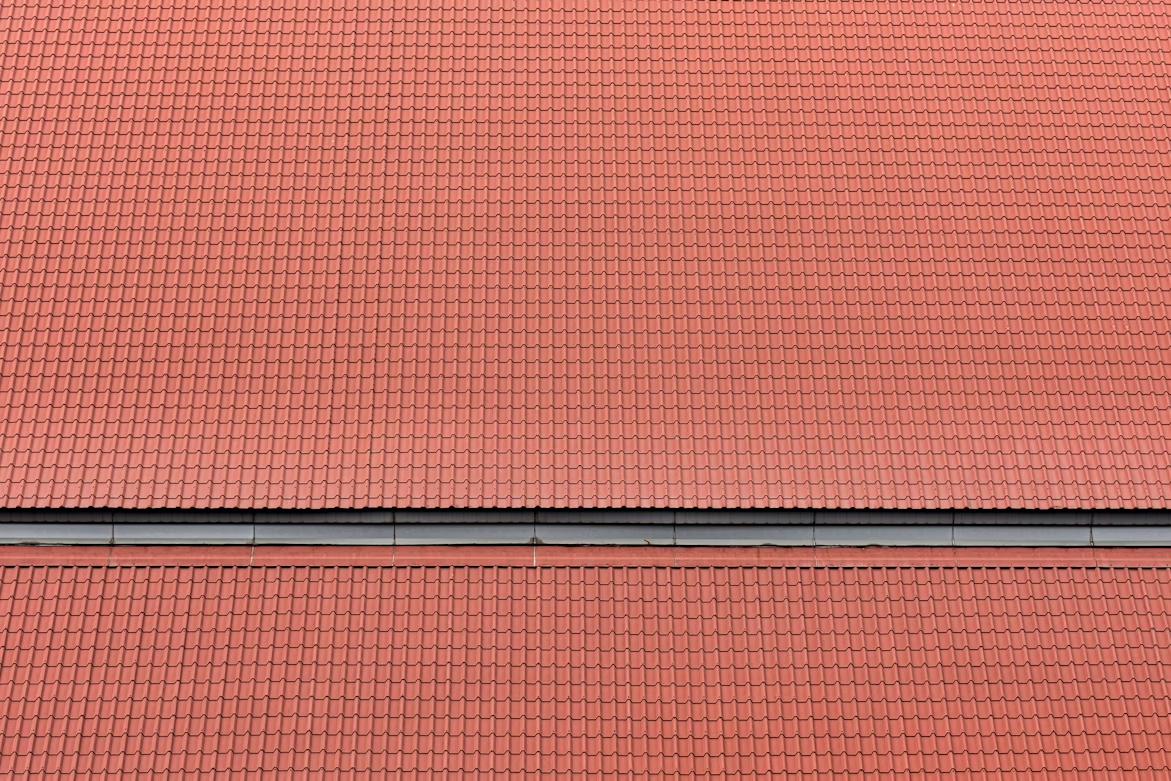
Clay and concrete tiles offer unmatched durability, lasting 50 to 100 years or more, depending on maintenance and weather conditions. These tiles are popular in warmer climates where heat resistance and insulation are key benefits.
Clay tiles offer timeless curb appeal and strong resistance to rot, insects, and fire. Concrete tiles provide similar benefits but are more affordable.
As tile roofs are heavier than other materials and may require structural reinforcement, their long lifespan makes them a top-tier choice for homeowners looking for reliable, refined, and long-lasting protection.
Slate Roofing: The Gold Standard of Longevity
Slate is one of the most durable roofing materials ever developed, with a lifespan that can exceed 100 years. Its natural stone composition provides unmatched resistance to fire, mold, and weather, making it one of the strongest and most resilient roofing options available.
Beyond durability, slate offers a unique, elegant aesthetic that improves property value. It requires skilled installation and has a higher upfront cost. Homeowners choosing slate typically do so for its lifetime performance and minimal maintenance needs.

Wood Shakes for Natural Beauty and Strength
Wood shakes, often made from cedar, offer a warm, natural appearance combined with strong insulating properties. Cedar is naturally resistant to insects and decay, and with proper treatment, shake roofs can last 30 to 40 years.
As wood requires more maintenance than some other materials, such as periodic treatment and debris removal, many homeowners appreciate its aesthetic appeal and solid durability. For rustic or traditional architecture, wood shakes remain a top choice.
Your roof plays a role in protecting your home, and choosing the right material guarantees long-term performance, durability, and peace of mind.
From modern membranes like TPO to classic choices such as asphalt shingles, metal roofing, and tile, each option offers its own strengths depending on your priorities.
Whether you’re focused on cost efficiency, maximum lifespan, or distinctive style, selecting a durable roofing material sets the foundation for decades of reliable protection.
With proper installation and routine maintenance, any of these options can help safeguard your home and improve its long-term value.


Leave a Reply