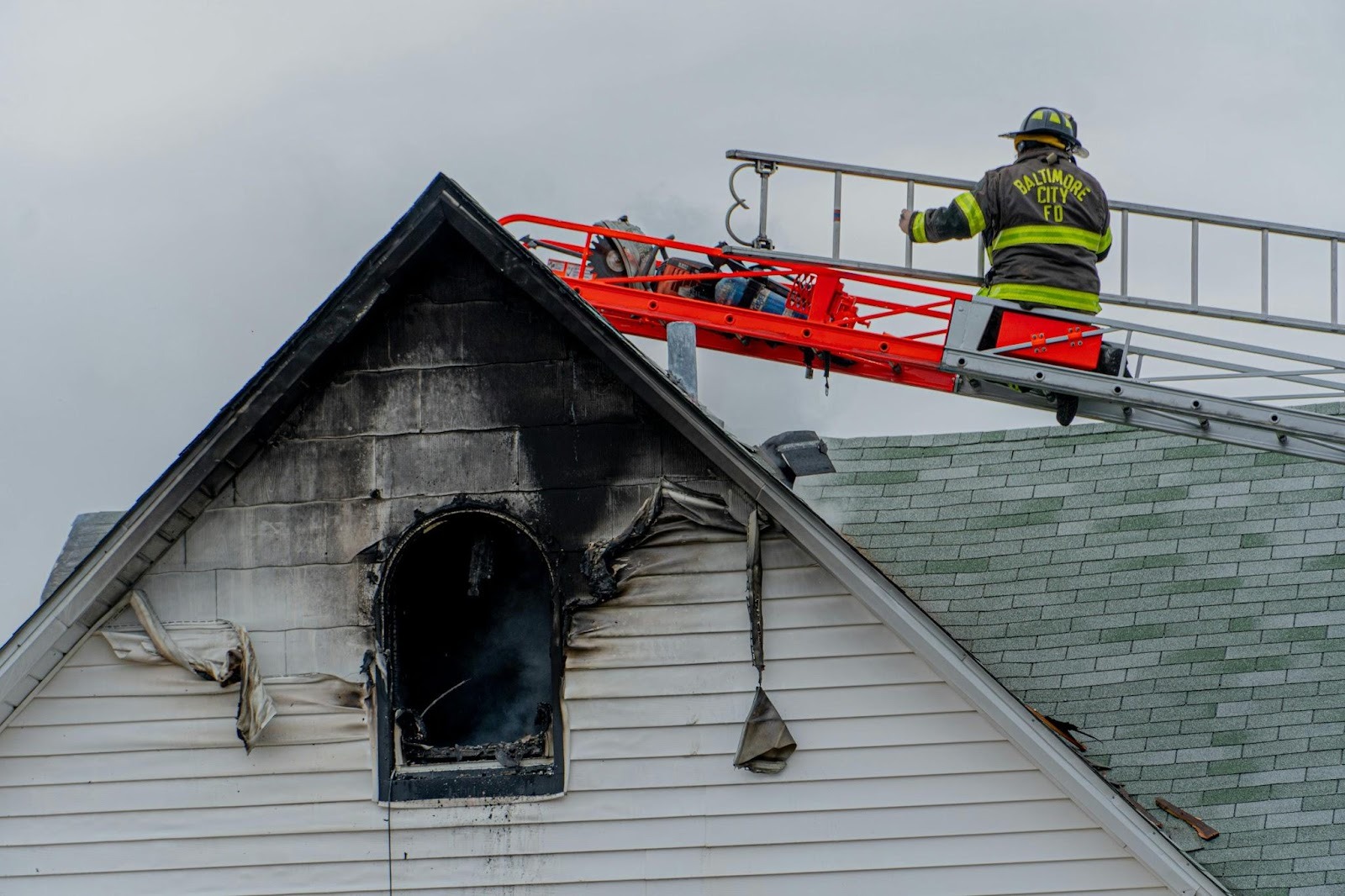
A severe storm can strike suddenly, leaving your roof damaged and your home vulnerable. Roof damage is costly and can present safety hazards, making timely action crucial. Understanding your legal rights and obligations after a storm can save you from unnecessary stress and financial loss.
From assessing the damage to filing insurance claims and hiring contractors, there are several steps homeowners should follow to protect themselves legally. This guide walks you through the important actions to take when a storm damages your roof, ensuring you remain compliant with local regulations while maximizing your chances of receiving fair compensation.

Assess the Damage Carefully
The first step after a storm is to inspect your roof safely, documenting the damage thoroughly. Avoid climbing on an unstable roof, as this could result in injury or further damage. Use binoculars or take high-resolution photographs from the ground.
Record any visible issues such as missing shingles, leaks, or structural problems. Written records of damage are important for insurance purposes, as they provide proof of the condition immediately following the storm. Detailed documentation strengthens your position if disputes arise during the claims process or if legal questions emerge about the timing and cause of the damage.
Hire Licensed Contractors
If repairs beyond temporary measures are required, hiring licensed and insured contractors is crucial. Trusted companies, such as Puetz Construction, provide professional, licensed services that help protect homeowners from legal liability if accidents occur or if work fails to meet building codes. Obtain multiple quotes and confirm that the contractor holds appropriate licenses and insurance coverage.
Written contracts specifying the scope of work, cost, and timeline protect you legally and clarify expectations. Contractors who follow building codes ensure that repairs are recognized as compliant in any future legal or insurance inquiries. By hiring reputable professionals, you minimize risk and strengthen the legal validity of your insurance claim or warranty coverage.
Review Your Insurance Policy
Once the damage has been assessed, review your homeowner’s insurance policy carefully. Policies differ widely in terms of coverage for storm-related damage, deductibles, and claim procedures. Pay attention to the clauses specifying covered perils and the required timeline for reporting damage.
Some insurers may require immediate notification to qualify for coverage, while others may have specific requirements regarding temporary repairs. Understanding your policy ensures that you meet all legal obligations and reduces the likelihood of claim denial. Consulting your policy early can clarify what documentation you need to support your claim, such as receipts for emergency repairs.
Notify Your Insurance Company Promptly
After reviewing your policy, contact your insurance provider to report the damage. Prompt notification is crucial to comply with policy terms and prevent disputes. Provide a clear description of the damage and submit the photographic evidence you collected.
Keep a detailed record of all communication, including emails, phone calls, and written correspondence, noting dates, times, and the names of representatives you speak with. Maintaining accurate records can be invaluable if disagreements arise over claim settlements or delays. By notifying your insurer immediately, you allow them to send an adjuster to assess the damage professionally, which may expedite the claims process.
Make Temporary Repairs
While waiting for an adjuster, it is often legally permissible and practically necessary to make temporary repairs to prevent further damage. Covering exposed areas with a tarp, securing loose shingles, or boarding up openings can protect your home from additional water damage. Keep receipts and photographs of any materials purchased and work completed, as insurance companies typically reimburse temporary repairs if they are reasonable and documented.
Avoid making permanent repairs before the insurance adjuster has completed their assessment unless explicitly allowed, as doing so can complicate claims and potentially violate policy requirements. Temporary measures safeguard your property and your legal standing during the claim process.
Keep Detailed Records of Costs and Communication
Throughout the repair and claims process, maintain meticulous records of all expenses and communication. This includes invoices, receipts, contracts, photographs, emails, and notes from phone conversations. Proper documentation can protect you if disagreements arise with insurers or contractors and may be necessary for tax or legal purposes.
Tracking all costs ensures that you claim all eligible expenses and demonstrates your diligence in mitigating damage. Clear records provide evidence of your adherence to legal and insurance obligations, giving you a strong position if disputes escalate to arbitration or litigation.

Dealing with roof damage from a storm can be overwhelming, but following legal and practical steps can make the process smoother. Assessing the damage safely, understanding your insurance policy, notifying your insurer promptly, making temporary repairs, hiring licensed contractors, and keeping thorough records all contribute to protecting your home and your rights.
By approaching the situation methodically, you reduce financial and legal risks while ensuring that repairs are completed efficiently and in compliance with the law. Preparedness and documentation are your best tools when navigating storm damage, helping you restore your home with confidence.




Leave a Reply