Your place gets hot and your AC just isn’t keeping up. The Texas heat is no joke, and a broken air conditioner can make your home feel like an oven. Before you panic, take a breath. Some problems have simple fixes you can handle yourself. Others need a trained eye. This guide will help you figure out which is which.
Warning Signs Your AC Is in Trouble
Your air conditioner usually gives clues before it quits for good. Pay attention to these red flags. Short Cycling
Short cycling happens when your AC turns on and off too often. A normal cycle lasts about 15 to 20 minutes. If your unit runs for just a few minutes and then shuts off, something is wrong. This pattern puts stress on the system. It also runs up your power bill without cooling your home.
Short cycling can stem from several causes. A dirty filter might block airflow. The unit could be too big for your space. Low refrigerant is another common culprit. Sometimes the problem lies with a faulty thermostat. Whatever the reason, short cycling needs attention fast.
Weird Noises
Your AC should hum along quietly. Strange sounds mean trouble. A grinding noise often points to motor issues. Squealing can signal a worn belt or bearing problem. Clicking sounds might indicate an electrical issue. Banging or clanking usually means something is loose inside the unit.
Don’t ignore these sounds. They rarely go away on their own. In fact, they tend to get worse. A small problem today can become a big repair bill next month.
Warm Air From the Vents
This one seems obvious, but many people wait too long to address it. If warm air blows from your vents when the AC is set to cool, something is off. Check your thermostat first. Make sure it’s set to cool mode and the temp is lower than room temp.
If settings look right, the issue could be deeper. Low refrigerant levels often cause this problem. A frozen evaporator coil is another possibility. Duct leaks can also let cool air escape before it reaches your rooms.
Simple Steps You Can Check Yourself
Before you call for help, try a few basic fixes. You might solve the problem without spending a dime.
Start with your air filter. A clogged filter is the most common cause of AC trouble. It blocks airflow and makes your system work harder. Check your filter every month during summer. Replace it if it looks dirty or gray. This simple step can fix many cooling issues.
Next, look at your thermostat. Make sure the batteries are fresh if it runs on battery power. Check that someone didn’t bump the settings by mistake. Try lowering the temp by five degrees to see if the unit kicks on.
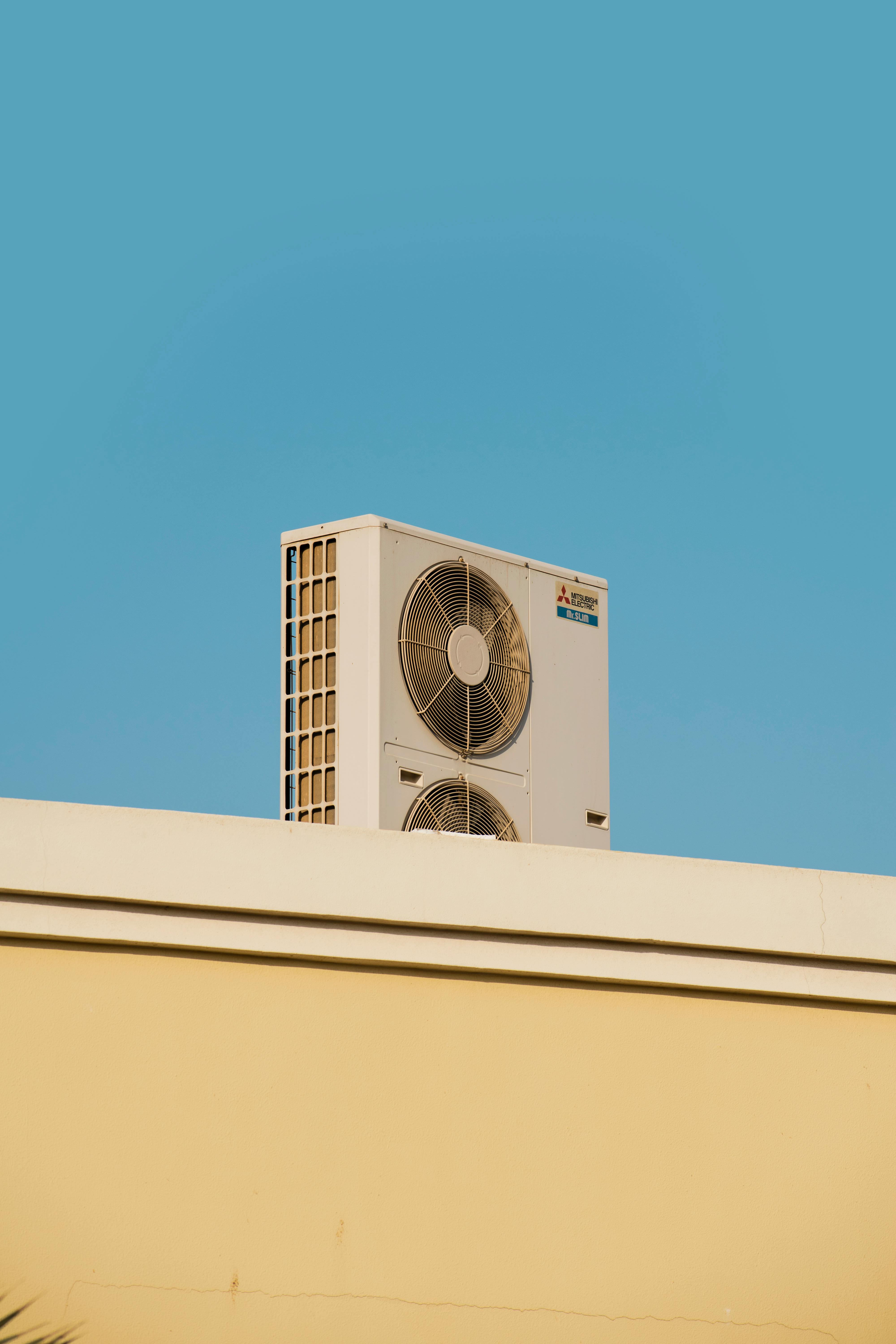
Walk outside and inspect your outdoor unit. Clear away any leaves, grass, or debris around it. The unit needs at least two feet of clearance on all sides. Trim back any bushes or plants that crowd it. A blocked condenser can’t release heat well.
Check your vents inside the house. Make sure furniture or curtains don’t block them. Open all the vents, even in rooms you don’t use much. Closed vents can throw off the system’s balance.
Look at your circuit breaker panel. Sometimes a tripped breaker is all that’s wrong. Find the breaker for your AC and flip it off, then back on. Wait a few minutes before testing the unit again.
Finally, check your drain line. The AC pulls moisture from the air as it cools. This water drains through a small pipe, usually near the outdoor unit. If the line gets clogged, water backs up and can trigger a safety switch. Pour a cup of bleach down the line to clear mild clogs.
When to Call a Professional
Some problems are beyond DIY fixes. Knowing when to call for help can save you money and stress.
Call a technician if your AC won’t turn on at all. This could mean an electrical problem or a failed component. Working with electrical systems can be dangerous without training.
Refrigerant issues need professional help too. You can’t buy refrigerant at the hardware store. Only licensed techs can handle it legally. Plus, low refrigerant often means a leak somewhere in the system. A pro can find and fix the leak, then recharge the system.
Strange smells also warrant a service call. A musty odor might mean mold in your ducts. A burning smell could signal an electrical problem. A rotten egg smell might indicate a dead animal in the system. None of these are safe to handle alone.
If your energy bills spike without explanation, have your system checked. An aging or failing AC works harder and uses more power. A tech can tell you if repairs make sense or if replacement is the better choice.
Ice on your unit is another sign to call for help. Ice on the refrigerant lines or evaporator coil points to serious issues. Turn off the system and let it thaw. Then schedule a service visit.
For reliable ac repair in waco tx, choose a company with good reviews and proper licensing. Ask about their experience with your AC brand. Get a written estimate before any work begins.
Stay Cool This Summer
Waco summers test every air conditioner. Regular maintenance helps prevent breakdowns. Change your filter often. Keep the outdoor unit clear. Schedule a tune-up each spring before the heat hits.
When problems pop up, act fast. Small issues become big ones when ignored. Try the simple fixes first. If those don’t work, call a trained technician. Your comfort and your wallet will thank you.




Leave a Reply