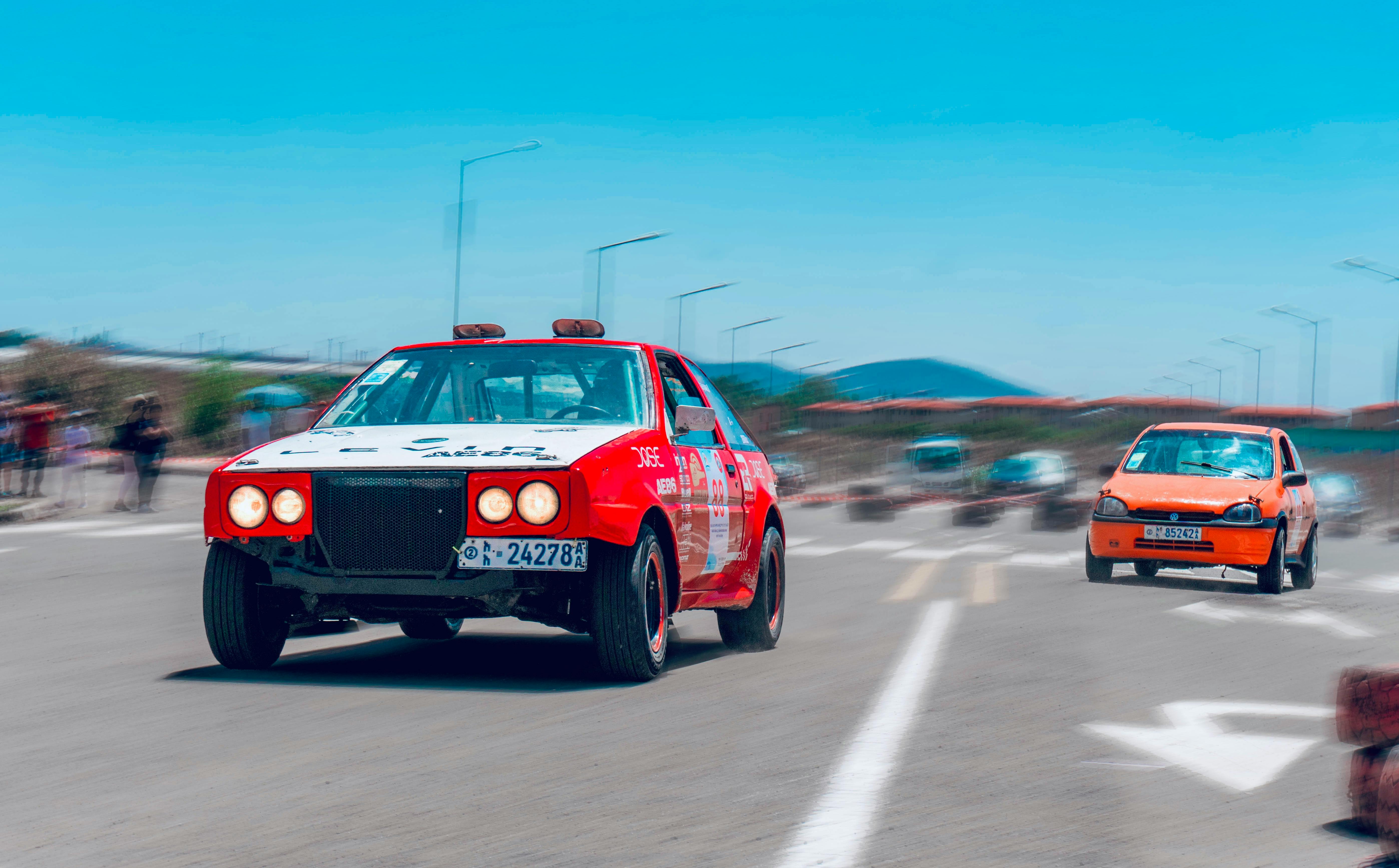
There is perhaps no image more ingrained in the visual language of American policing than the high-speed chase. The flashing lights, the roar of engines, the helicopter footage on the nightly news—it is a scene of chaotic, adrenaline-fueled drama.
But to law enforcement leaders and city risk managers, the high-speed chase is not a drama; it is a nightmare.
According to data from the National Highway Traffic Safety Administration (NHTSA), police pursuits result in hundreds of fatalities every year. A terrifying percentage of those killed are not the suspects or the officers, but innocent bystanders—pedestrians on sidewalks or families in other cars who simply happened to be in the wrong intersection at the wrong second.
For decades, the tactical solution to a fleeing suspect was “escalation.” If the suspect sped up, the police sped up. If the suspect swerved, the police swerved. The goal was to stay close enough to execute a PIT maneuver (Precision Immobilization Technique) to spin the car out. But physics is unforgiving at 90 miles per hour.
However, a technological shift is occurring that promises to make the cinematic car chase a relic of the past. The question is no longer “How do we catch them?” but “Can we tag them and let them go?”
The “Tag and Track” Revolution
The solution lies in decoupling the “pursuit” from the “apprehension.”
Traditionally, if an officer lost visual contact with a fleeing vehicle, the suspect got away. This necessity of visual contact is what drives the dangerous speeds. But new technologies, such as the StarChase system, allow officers to outsource the visual contact to a machine.
Here is the scenario: An officer attempts a traffic stop. The suspect guns the engine. Instead of flooring the accelerator and engaging in a dangerous race through a residential zone, the officer presses a button on their dashboard.
A compressed-air launcher mounted behind the patrol car’s grille fires a projectile. It looks like a small, sticky cylinder. This projectile adheres to the rear of the suspect’s vehicle. Inside the cylinder is a ruggedized GPS receiver and a transmitter.
The moment the tag attaches, the officer does something counter-intuitive: they turn off their lights and sirens, and they stop.
The Psychology of De-Escalation
The genius of this approach is not just technological; it is psychological. Criminologists have long understood a phenomenon known as the “flight instinct.” When a suspect is being chased by sirens and lights, their adrenaline spikes. They take irrational risks, blowing red lights and driving on sidewalks, because they feel hunted.
However, when the police back off, the dynamic changes. The suspect, believing they have successfully evaded capture, almost immediately slows down. They return to normal traffic speeds to blend in. The “red mist” of the chase evaporates.
Meanwhile, back at the dispatch center, the “tagged” vehicle is moving as a distinct dot on a digital map. The police are still following, but they are doing it from five miles away, invisible and silent. They can track the suspect to a parking lot or a driveway, set up a safe perimeter, and apprehend the individual when the vehicle stops—without a single tire screeching on the pavement.
The Legal and Tactical Landscape
This shift represents the future of gps tracking for law enforcement, moving the discipline from passive surveillance (investigating where a suspect was) to active interdiction (managing where a suspect is).
This technology does face legal scrutiny. The Supreme Court, in United States v. Jones, ruled that placing a GPS device on a vehicle constitutes a search under the Fourth Amendment. However, the legal context of a “hot pursuit” is different from long-term surveillance. Courts generally recognize “exigent circumstances.” If a suspect is fleeing and posing an immediate threat to public safety, the deployment of a GPS tag is often viewed as a “less lethal” alternative to a high-speed crash or a firearm discharge.
The Drone Assist
The “Tag and Track” method is also being augmented by aerial support. In many modern departments, the GPS tag is just the first layer. Once the tag is active, automated drones can be deployed to shadow the vehicle from 400 feet in the air.
This provides the “eye in the sky” that helicopters used to provide, but at a fraction of the cost and with faster deployment times. The drone confirms the location provided by the tag, ensuring that the suspect doesn’t ditch the car and run on foot before officers arrive.
A Quieter Future
The era of the “cowboy” pursuit is ending. The liability costs—often reaching millions of dollars for a single wrongful death lawsuit caused by a chase—are unsustainable for municipalities.
By replacing horsepower with data, police departments are finding a way to balance their duty to catch criminals with their duty to protect the public. The most successful pursuit of the future will be the one that nobody notices. It will be silent, slow, and safe, ending not in a crash, but in a quiet knock on a car window.



Leave a Reply