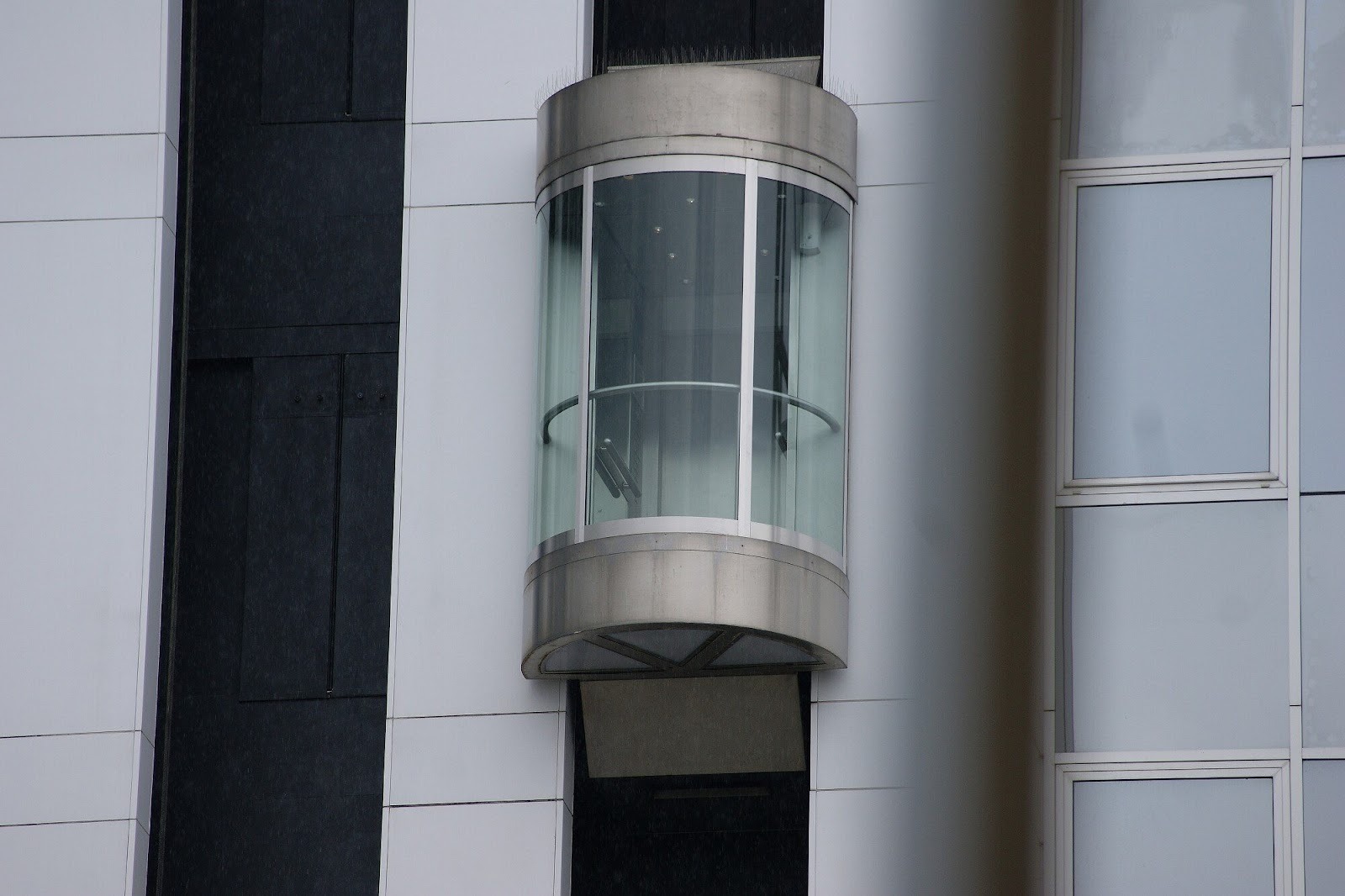
When a building hums with people, vertical transportation has to be boring in the best way. Riders want doors that open, cars that level, and trips that simply work. Practical facility solutions turn that wish into a plan. They combine maintenance discipline, smart monitoring, and on-the-ground communication so elevators and escalators keep pace with daily demand.

The Stakes of Keeping People Moving
Elevators are not a luxury in busy properties: they are the main component of hospitals, offices, stadiums, and mixed-use towers. When they stall, the building stalls with them.
The scale of the need is easy to miss. The U.S. operates roughly 1 million elevators, and riders collectively travel billions of miles each year. That volume makes reliability a public expectation, not just a facilities metric. It means small fixes echo widely when multiplied across thousands of trips in a day.
Preventive Maintenance as a Reliability Engine
Reliable movement starts before anything breaks. Preventive maintenance sequences routine tasks by risk, usage, and code dates. The work looks simple on paper: cleaning door tracks, confirming leveling, but it cuts the top causes of shutdowns.
Right-fit service cadence matters more than a calendar. Heavily used elevators may need door operator checks more frequently. A trusted elevator service in Kansas City or in your location can take care of maintenance tasks, scheduled between morning rush and lunch peaks. Make maintenance nearly invisible to riders while extending the life of parts.
Data, Monitoring, and Response Workflows
Sensors and controller logs give an early warning when doors start to drag, or a relay throws intermittent faults. Even without a full IoT stack, simple data like trip counts and door cycles show where to focus attention. The key is turning signals into action fast.
Build a clear strategy for alerts and callbacks. Who gets the first call, who triages, and how long until the tech is on site? A timestamped workflow prevents finger-pointing and shortens downtime. Posting simple dashboards in the facilities office helps the whole team see patterns, not just isolated events.
- Track trip counts by hour to spot peak wear
- Log door reversals and nudging events to catch alignment drift early
- Trend callbacks by fault code to guide parts stocking
- Review response times weekly and adjust staffing
Safety, Compliance, and User Trust
Riders judge safety by what they see and what they feel. Leveling that is flush with the landing, doors that close smoothly, and clean cabs build trust fast. If any of these slip, people hesitate, or worse, they avoid the equipment.
Compliance checks support that trust. Even when codes differ by jurisdiction, the basics are consistent: verify safety, confirm communications, and document results. Posting inspection certificates where riders can see them is a small act that yields outsized confidence. It tells people the system is looked after.
Parts, Supply Chains, and the True Cost of Downtime
Downtime is expensive because it multiplies. Practical facility teams treat parts like a reliability resource. A building services institute in the UK warned that many components are sourced overseas, and replacement parts can take weeks or even months to arrive. That reality makes local spares strategic.
Stock door rollers, belts, contacts, and common boards that match your installed base. Pair that with vendor agreements that spell out lead times, loaner components, or temporary modernization kits in case a long-lead part fails.
Designing for Peaks and Accessibility
Most buildings do fine at 10 a.m. on a Tuesday. The test is the 8:45 a.m. surge, the lunch burst, or the post-game exit. Practical solutions look at those peaks and design services around them. That might mean staging attendants during crunch times or holding one car in the lobby for continuous loading.
Accessibility is not a side concern. Low wait times, accurate leveling, and usable buttons help everyone, and they are necessary for riders with mobility or vision needs. Keeping call stations clean and braille labels intact is as important as any controller tweak.
Training, Communication, and Drills
People keep systems reliable. Train front desk and security staff to recognize early warning signs like repeated door nudges, scraping sounds, or slow leveling. Teach them the basics of passenger communication so small issues do not become confrontations in the lobby.
Build micro-drills. Practice a stuck-car procedure with facilities, security, and the elevator contractor so each person knows their role. Keep a laminated quick card at the desk listing contact numbers, key locations, and the script for calm passenger updates.
- Create a 1-page incident flow: detect, secure, inform, dispatch, document
- Hold quarterly 20-minute tabletop drills with your team
- Share a weekly “top 3 issues” note to keep awareness high
- Celebrate zero-callback weeks to reinforce good habits

Practical facility solutions turn a complex system into a dependable routine. With a clear plan, trained people, and smart parts strategy, buildings move crowds without drama. That is how you protect tenant time, staff energy, and the simple promise that an elevator ride just works.



Leave a Reply