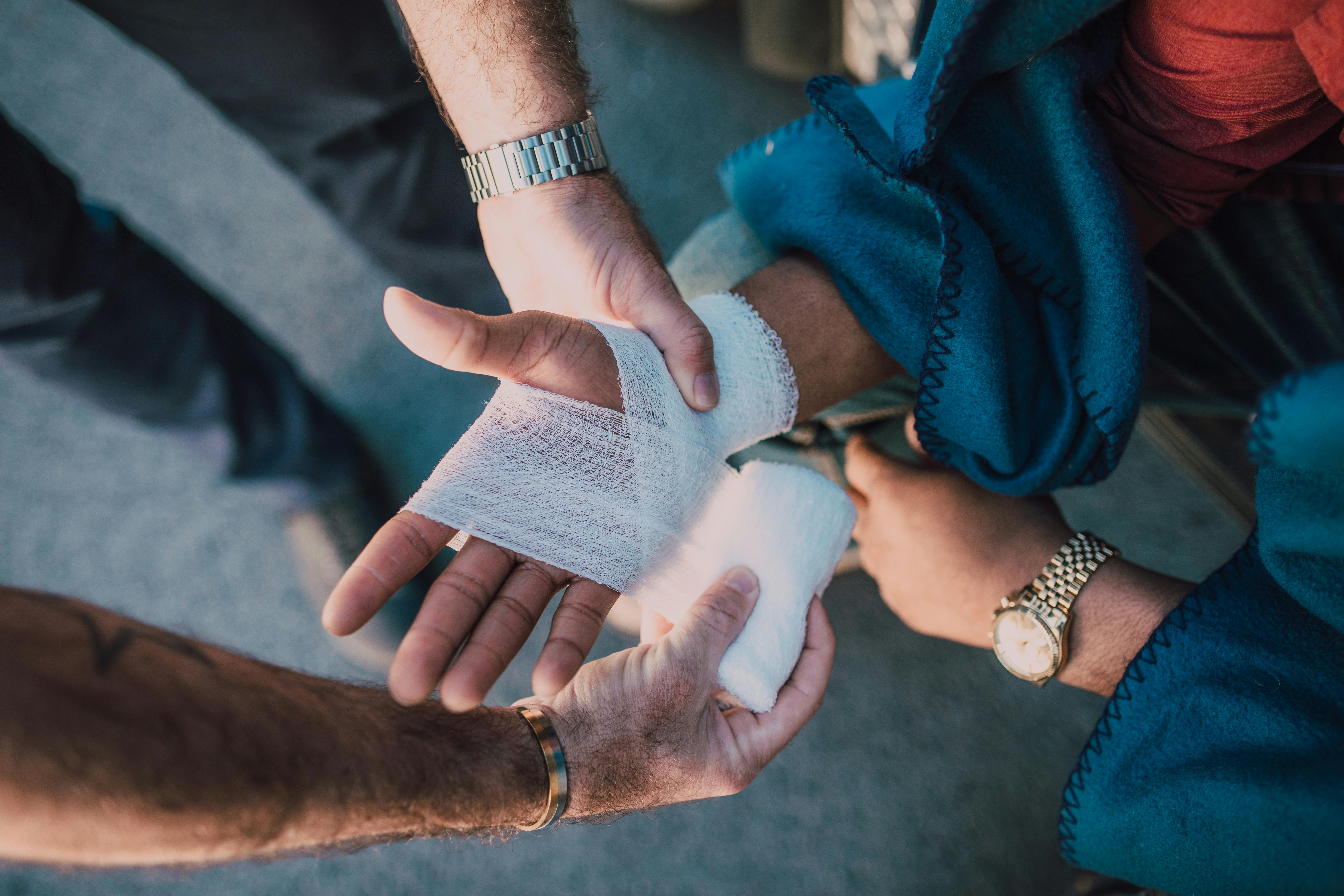
As any parent or carer knows, bumps, grazes, and sudden fevers are just part of daily life with children. Whether you are looking after a toddler who has just discovered running (and tripping) or a teenager prone to sports injuries, having a well-stocked medicine cabinet is one of the most practical ways to prepare for the unexpected. It provides peace of mind knowing that when a minor emergency strikes at 10 pm on a Sunday, you have exactly what you need to handle it calmly.
The Basics for Cuts and Grazes
The most frequently used items in any family first aid kit will undoubtedly be for wound care. Children are adventurous by nature, and scraped knees are often the price of that adventure. Ensure you have a variety of plasters in different sizes and shapes; waterproof ones are excellent, but sensitive skin options are also worth having.
Beyond plasters, you should stock sterile gauze dressings and microporous tape for larger scrapes that a standard plaster cannot cover. Antiseptic wipes or a bottle of antiseptic liquid are crucial for cleaning wounds to prevent infection before dressing them. A small pair of blunt-ended scissors is also handy for cutting tape or clothing without risking further injury.
Managing Pain and Fevers
Sudden temperatures or teething pain can turn a peaceful evening into a stressful one. It is essential to keep a supply of age-appropriate pain relief. For most families, this means liquid paracetamol and ibuprofen. Always check the expiry dates regularly, as these bottles often sit at the back of the cupboard until they are urgently needed.
An accurate digital thermometer is equally important. While the old “hand on the forehead” trick gives you a clue, a digital reading helps you decide whether you can manage the situation at home or if you need to seek medical advice. If you are caring for a child with specific medical needs, perhaps under the guidance of a fostering agency, like Foster Care Associates, ensure you also have any prescribed medications clearly labelled and easily accessible.
Allergies and Bites
Summer picnics and walks in the park are lovely until a wasp stings or hay fever flares up. Antihistamines are a vital addition to your kit. They come in syrup form for younger children and tablets for older ones. They are effective for reducing the swelling from insect bites and stings, as well as managing mild allergic reactions to pollen or pets.
For soothing itchy bites or mild sunburn, a tube of hydrocortisone cream or calamine lotion can offer immense relief. It stops the scratching cycle, which helps prevent the skin from becoming broken and infected.
Tools and Extras
Sometimes, it isn’t just about the medicine, but the tools you have to hand. A pair of tweezers is indispensable for removing splinters or ticks. Eye wash or sterile saline solution is also useful for flushing out grit or dust from eyes.
Additionally, consider keeping a basic first aid manual in the cabinet. In the moment of panic when a child is hurt, it is easy to forget basic procedures. A quick reference guide can reassure you that you are taking the right steps.
Being Prepared is Key
Building a comprehensive first aid kit does not require a massive overhaul of your bathroom. It is simply about gathering the essentials so you aren’t caught off guard. By keeping these items stocked and checking dates every few months, you ensure that you are ready to offer comfort and care whenever your children need it most. It is a small bit of organisation that makes a significant difference to family life.




Leave a Reply