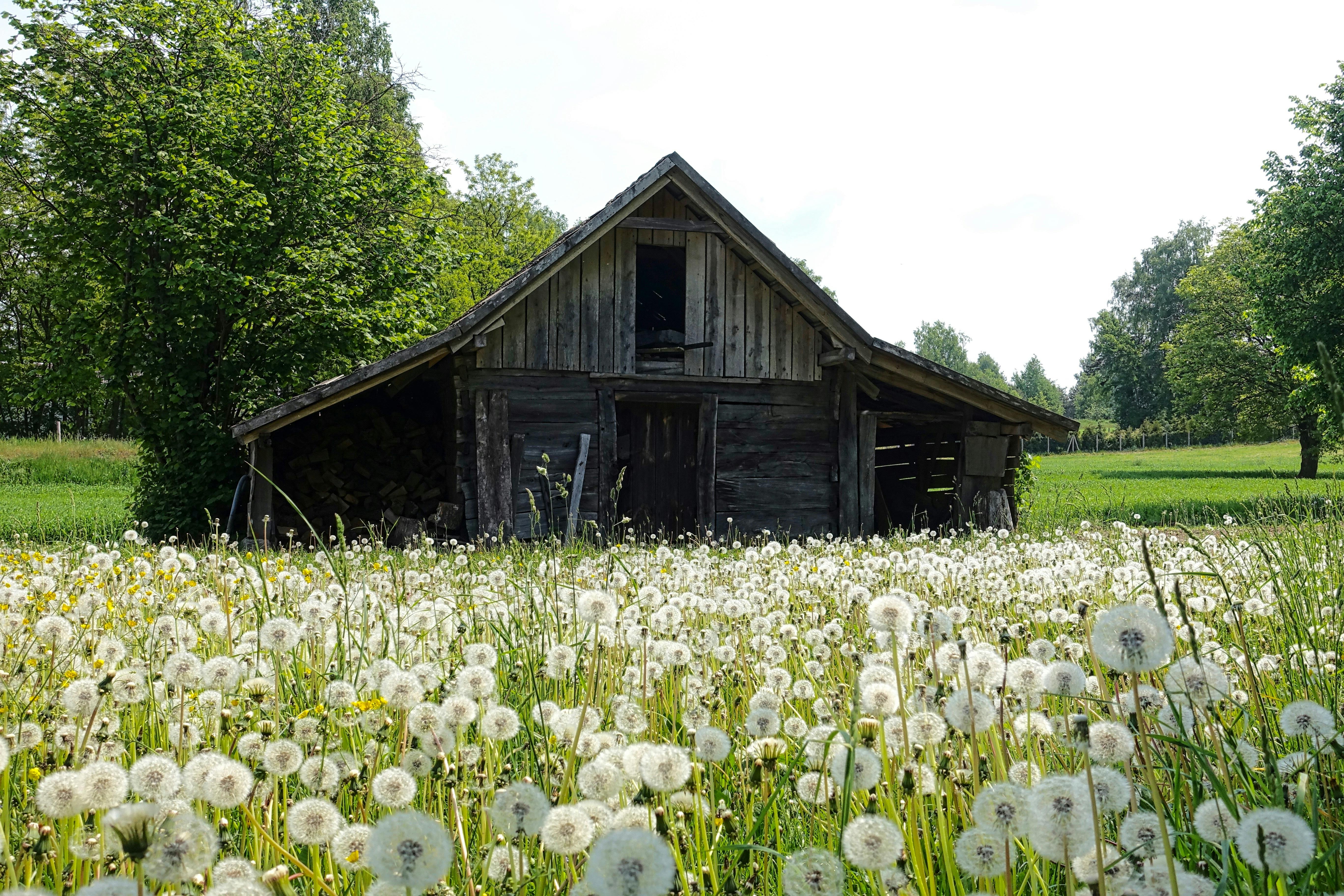
Designing a farm shed is more than putting up a large structure on rural land. A well-planned shed supports daily operations, protects valuable equipment, and withstands Australia’s demanding climate for decades. From scorching summers to heavy rainfall and strong winds, farm sheds must be functional, durable, and adaptable. Drawing on real-world agricultural experience, this guide explores practical farm shed design ideas that help maximise usability, longevity, and return on investment.
Why Smart Farm Shed Design Matters
A thoughtfully designed shed saves time, reduces maintenance costs, and improves workflow. Poor design can lead to moisture damage, difficult access for machinery, or expensive upgrades later. Australian farmers increasingly view sheds as long-term infrastructure rather than temporary storage, making design decisions critical from the start.
Key Factors to Consider Before Designing
Purpose and Usage
Start by clearly defining how the shed will be used. A single shed may serve multiple roles over time, so flexibility is essential.
Common uses include:
• Machinery and equipment storage
• Hay and feed storage
• Livestock shelter
• Workshop and maintenance area
• Grain or produce handling
Designing for multiple purposes from the outset prevents costly modifications later.
Site Location and Orientation
Correct placement improves durability and efficiency.
Consider:
• Natural drainage to avoid water pooling
• Orientation to reduce heat load and improve airflow
• Accessibility for trucks, tractors, and future expansion
• Local council regulations and zoning requirements
Positioning doors away from prevailing winds also helps protect contents during storms.
Structural Design Ideas for Maximum Durability
Steel vs Timber Frames
Steel frames are the most popular choice in Australia due to strength, termite resistance, and fire performance.
Steel frames – Pros and Cons
Pros:
• Long lifespan with minimal maintenance
• Resistant to pests and rot
• Ideal for large clear spans
Cons:
• Higher upfront cost than timber
Timber frames can suit smaller sheds but generally require more ongoing maintenance in rural environments.
Roof Design and Pitch
Roof shape directly impacts durability and internal space.
Popular options include:
• Gable roofs for ventilation and rain runoff
• Skillion roofs for cost efficiency and solar panel installation
A higher roof pitch improves airflow and allows for taller machinery.
Cladding and Protective Coatings
Use corrosion-resistant cladding, especially in coastal or high-humidity regions.
Recommended options:
• Colorbond steel with appropriate coating grade
• Galvanised steel for high-impact areas
Protective coatings significantly extend the life of the structure.
Functional Design Features That Make a Difference
Door and Access Planning
Oversized doors reduce frustration and damage.
Best practices include:
• Sliding or roller doors for wide machinery access
• Multiple entry points to improve workflow
• Clearance height for future equipment upgrades
Flooring Choices
Concrete floors provide durability and ease of cleaning, particularly in workshops or livestock areas.
Alternative options:
• Compacted gravel for machinery-only sheds
• Reinforced concrete for heavy loads
Lighting and Ventilation
Natural light reduces energy costs and improves safety.
Design tips:
• Install skylights or translucent roof panels
• Include ridge vents or louvres for heat release
• Plan for LED lighting where power is available
How to Design a Shed That Adapts Over Time
Modular and Expandable Layouts
Farming operations evolve. Designing with expansion in mind avoids demolition later.
Consider:
• Bolt-on bays
• Open-span interiors
• Removable internal partitions
Integrated Utilities
Plan early for:
• Electrical wiring
• Water access
• Solar power readiness
• Rainwater harvesting
Future-proofing adds long-term value and usability.
Practical Shed Design Checklist
Before finalising plans, confirm the following:
• Shed size meets current and future needs
• Materials suit local climate conditions
• Access points accommodate machinery size
• Drainage and ventilation are adequate
• Compliance with Australian standards and council rules
Cost vs Value: Getting the Balance Right
While budget matters, cheapest is rarely best. Investing slightly more upfront in quality materials and smart design reduces repair costs and downtime.
Long-term value comes from:
• Reduced maintenance
• Improved efficiency
• Extended lifespan
• Higher property value
A professionally designed shed often pays for itself over time.
Common Mistakes to Avoid
• Underestimating future storage needs
• Ignoring ventilation requirements
• Choosing unsuitable materials for local conditions
• Poor site preparation and drainage
• Not allowing for equipment height and width
Learning from these common errors can save thousands of dollars.
Frequently Asked Questions
How long should a well-built farm shed last?
With quality materials and proper maintenance, a shed can last 30–50 years or more in Australian conditions.
Do I need council approval for a farm shed?
In most cases, yes. Requirements vary by state and council, so always check local regulations before construction.
What size shed is best for machinery storage?
Allow at least 20–30 percent extra space beyond current machinery size to accommodate future upgrades and safe movement.
Are custom-designed sheds better than standard kits?
Custom designs offer better site fit and functionality, while standard kits may suit simple storage needs with tighter budgets.
How important is ventilation in a farm shed?
Extremely important. Proper ventilation reduces heat, condensation, and corrosion, protecting equipment and stored produce.
Final Thoughts
A farm shed is a long-term investment that directly impacts productivity, safety, and asset protection. By focusing on smart design, durable materials, and future flexibility, Australian farmers can build structures that perform reliably for decades. If you are planning new Farm Sheds or upgrading existing ones, take the time to design with purpose, not just price. A well-designed shed works as hard as you do and continues delivering value year after year.




Leave a Reply