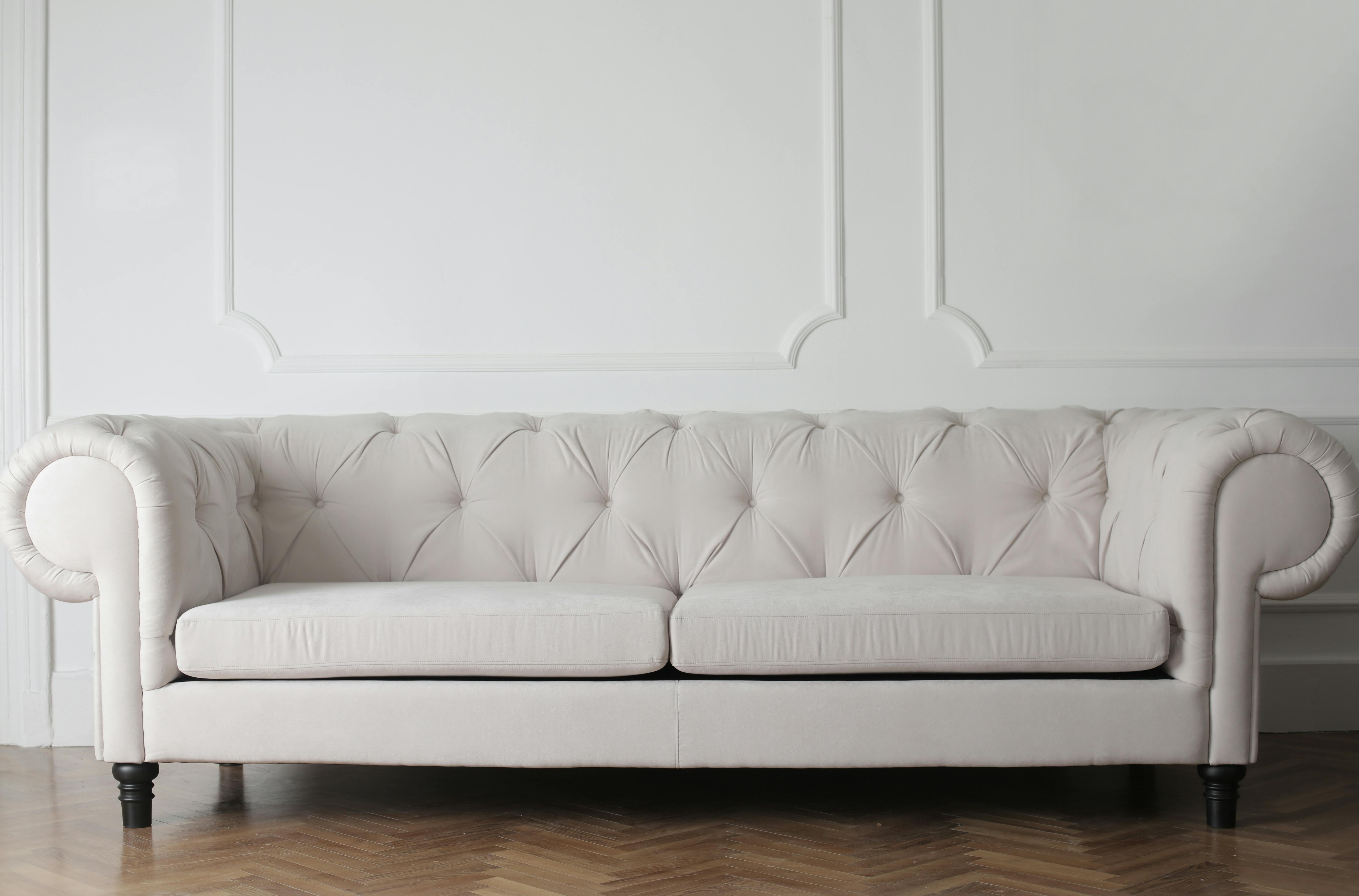
Finding the perfect ottoman sofa bed requires matching specific technical requirements with how you’ll actually use the piece. Consumer furniture research indicates that 64% of dual-purpose furniture gets used primarily in one mode, either as seating or sleeping, with the secondary function used less than twice monthly. This usage pattern should inform your selection priorities. If guests sleep over regularly, mattress quality matters more than daytime aesthetics. If the piece serves mainly as seating with occasional guest use, comfort while sitting and visual appeal take precedence. The mistake people make is trying to optimize both functions equally, which usually results in compromises that satisfy neither purpose well.
Measuring Your Space Accurately
Room dimensions determine what actually fits, not what looks good online. Measure the intended space with the ottoman in both configurations. Allow at least 60 to 80 cm of clearance on the sides and front for comfortable movement. When extended as a bed, you need roughly 200 to 210 cm of floor space if including the ottoman’s depth plus the pulled-out mattress section. Ceiling height matters for visual balance. Rooms with 2.4 m ceilings can handle taller furniture, but lower ceilings around 2.1 m look better with compact, low-profile pieces. Door swing paths and window placement affect positioning too. I’ve seen people buy perfectly sized ottomans that block radiators or interfere with door operation because they didn’t map out the room properly first.
Comfort Factors for Daily Sitting
If you’re sitting on this thing every day, the seating ergonomics matter more than guest sleep quality. Seat depth should match your leg length, typically 50 to 55 cm for average adults. Deeper seats cause shorter people to slouch, while shallow seats leave taller people with unsupported thighs. Backrest angle affects comfort during extended sitting. A slight recline of 5 to 10 degrees from vertical provides better lumbar support than perfectly upright positioning. Cushion firmness is subjective, but medium-firm foam rated 2.0 to 2.5 pounds per cubic foot density works for most people. Softer foam feels plush initially but compresses faster, leading to sagging within 12 to 18 months of daily use.
Sleep Surface Requirements for Guests
Mattress thickness directly correlates with sleep comfort. Anything under 10 cm works only for kids or emergency situations. Adults sleeping more than one night need at least 12 to 15 cm of quality foam or a hybrid spring system. The mattress should be one continuous piece rather than separate cushions, which create uncomfortable gaps and shift during sleep. Sleeping surface width determines who can use it comfortably. A 90 cm wide bed suits single adults but feels cramped for couples. Widths of 120 to 140 cm accommodate two people reasonably well. Consider who your typical guests are. If you’re hosting friends occasionally, a single-width bed probably works fine. If family members with kids visit regularly, a wider sleeping surface might be necessary.
Storage Capacity for Practical Use
The storage compartment should hold what you actually need to store. A complete bedding set including sheets, duvet, and pillows requires about 80 to 120 liters of space. Add seasonal clothing or extra blankets and you need 150 to 200 liters. Measure your storage needs before buying. The compartment access method affects usability. Top-loading storage with lift-up seats works well but requires removing cushions each time. Side-access drawers allow easier reach but typically offer less total volume. Gas strut mechanisms should lift easily without excessive force, indicating proper weight rating for the lid size. Cheap struts wear out quickly, requiring replacement within 18 to 24 months and costing $30 to $60 per pair.




Leave a Reply