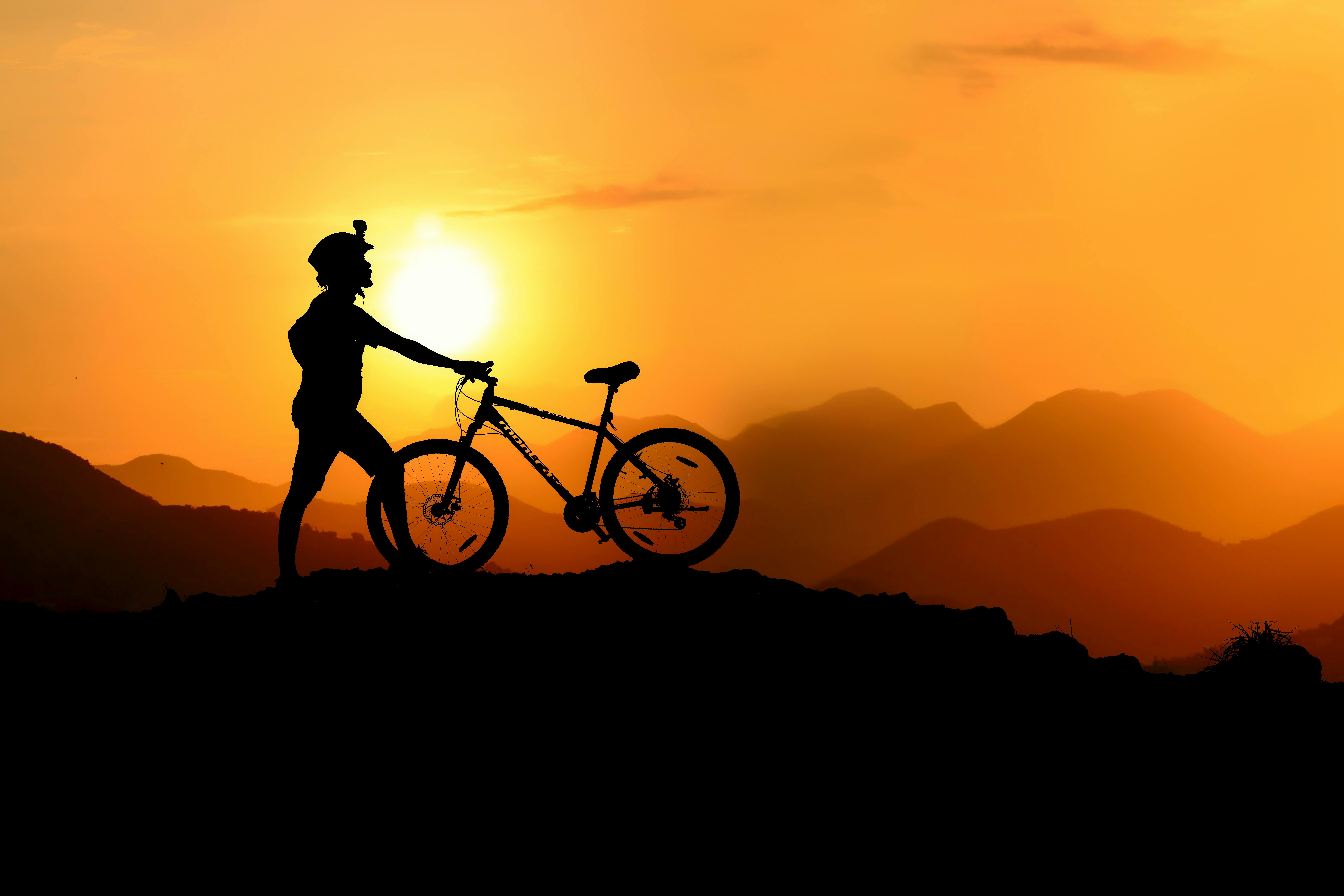
I’ll be honest, I was skeptical about electric mtb models when they first started gaining traction. The whole idea seemed like it went against what mountain biking was about. But after watching how the technology has evolved and seeing how it’s actually changed who can access trails and what kind of riding is possible, my perspective has completely shifted. Electric mountain bikes aren’t replacing traditional bikes, they’re expanding what’s possible on the trails. We’re seeing riders tackle terrain they couldn’t before, complete longer routes without exhaustion, and access remote areas that were previously limited to the fittest cyclists. The technology has reached a point where the motors provide natural-feeling assistance that enhances rather than replaces the riding experience, and that’s fundamentally changing off-road cycling culture.
Extended Range and Exploration
The most obvious change is how far people can ride in a single session. Traditional mountain biking often means you’re limited by your fitness level and how much climbing you can handle. With pedal-assist motors providing support, riders are regularly completing 40 to 50 kilometer rides that would have been impossible before, or at least would have required significantly better fitness.
This extended range opens up completely different types of riding experiences. You can explore backcountry trails that are far from trailheads without worrying about having enough energy to get back. Epic all-day rides that cover multiple trail systems become achievable for average riders, not just elite athletes.
The battery technology has improved dramatically too. Modern e-MTBs are using 500Wh to 750Wh batteries that can handle 1,000 to 1,500 meters of climbing on a single charge, depending on the assist level you’re using and the terrain. That’s enough for most full-day rides without range anxiety.
Accessibility for Different Skill Levels
Here’s something that really matters for the sport’s growth. Electric mountain bikes are bringing people to the trails who might have been intimidated by traditional mountain biking’s physical demands. Older riders who’ve lost some fitness can keep riding with their younger friends. People recovering from injuries can gradually build back their strength while still enjoying proper trail riding.
This isn’t about making things too easy. You still need to pedal, you still need bike handling skills, and you still need to understand trail etiquette and safety. The motor just levels the playing field on the climbs so that technical ability and bike control become more important than pure cardiovascular fitness.
I’ve seen riding groups that were splitting up because of fitness differences staying together now that some members have switched to e-MTBs. The slower climbers can keep pace on the way up, and everyone rides together through the technical descents where motor assistance doesn’t matter anyway.
Technical Terrain Performance
The weight distribution and power delivery of modern e-MTBs has gotten surprisingly good at handling technical terrain. Yeah, these bikes are heavier than traditional mountain bikes, typically 20 to 24 kilograms compared to 12 to 15 kilograms for regular bikes. But engineers have positioned the motor and battery low and centered in the frame, which actually helps with stability on steep, rocky terrain.
The instant torque from electric motors helps in technical climbing situations too. When you’re crawling up a steep, loose section where you might normally lose momentum and have to dab a foot, the motor provides that extra boost to keep you moving. It’s changing which lines are rideable and making technical climbs more achievable.
Uphill Flow and Rhythm
This is something you don’t realize until you actually ride an e-MTB.


Leave a Reply