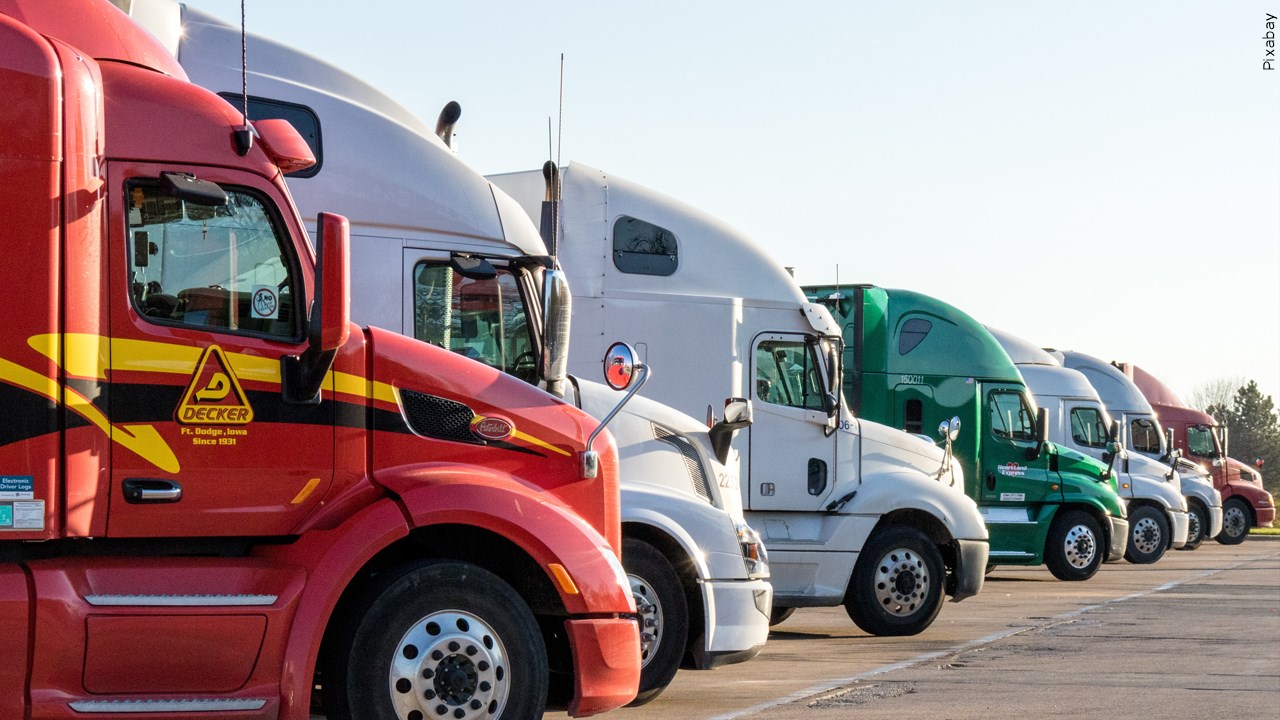
High-performance commercial trucks deliver measurable advantages in power delivery, fuel efficiency, reliability, and operational capability that directly impact profitability and productivity. The difference between adequate and high-performing trucks shows up in payload capacity, fuel consumption rates, and maintenance downtime over the vehicle’s operational life. Transport operations research indicates that fuel represents 35% to 45% of per-kilometer operating costs, while maintenance accounts for 15% to 20%. A high-performance truck that achieves 5% better fuel economy and 20% less downtime can save operators $12,000 to $18,000 annually based on typical long-haul running costs. The specifications that actually drive performance differ from marketing claims focused on horsepower numbers alone.
Power-to-Weight Ratio and Torque Delivery
Raw horsepower matters less than how power relates to vehicle weight and how torque delivers across the engine’s operating range. A useful metric is power-to-weight ratio, calculated as engine horsepower divided by gross combination mass. Long-haul operations targeting highway speeds benefit from ratios around 6 to 8 horsepower per tonne. Lower ratios of 4 to 5 hp/tonne work for urban delivery where top speed matters less than low-speed maneuverability. Peak torque delivery point affects drivability significantly. Engines with peak torque available from 1,000 to 1,400 rpm provide better response in varied terrain compared to engines peaking at 1,600 to 1,800 rpm. Torque curve width matters too, engines maintaining at least 90% of peak torque across 600 to 800 rpm range offer more flexible power delivery.
Fuel Efficiency and Emission Technology
Modern diesel engines achieve 6.5 to 9.5 liters per 100 km in long-haul applications, with variation depending on payload, terrain, and driving technique. High-performance engines utilize common rail fuel injection at pressures of 1,800 to 2,500 bar, enabling precise fuel metering and multiple injection events per combustion cycle. This improves combustion efficiency and reduces emissions. Turbocharger technology affects both power output and fuel economy. Variable geometry turbos adjust boost pressure across engine speed ranges, eliminating turbo lag and improving throttle response. Wastegate turbos cost less but sacrifice some efficiency. Engine brake systems integrated with exhaust brake and compression release mechanisms provide 300 to 450 horsepower of retarding force, reducing service brake wear by 40% to 60% in hilly terrain and improving safety on long descents.
Transmission and Final Drive Ratios
Automated manual transmissions dominate high-performance applications, offering shift optimization that manual transmissions can’t match. Quality AMT systems process data from engine load, road grade, and vehicle speed to select optimal gearing. Shift times under 200 milliseconds prevent momentum loss during gear changes. Gear ratio spreads affect performance across operating conditions. Wide ratio gearboxes with 12 to 18 forward gears allow closer ratio steps, keeping the engine in its optimal power band more consistently. Final drive ratio selection balances acceleration against fuel economy. Lower numerical ratios like 2.85:1 or 3.08:1 suit flat terrain highway work, while steeper ratios around 3.42:1 to 3.90:1 provide better performance in hilly regions or with frequent stops.
Aerodynamic Efficiency Features
Air resistance increases exponentially with speed, consuming significant power at highway velocities. Drag coefficient improvements from 0.65 to 0.55 reduce fuel consumption by 8% to 12% at 90 km/h cruise speeds. Cab roof fairings that match trailer height eliminate the gap that creates turbulence. Side skirts extending from cab rear to trailer bogies smooth airflow along the vehicle sides. Trailer tail devices including boat tails and side extenders recover some of the vacuum created at the trailer rear. Even small details like mirror designs affect overall aerodynamics, with modern low-profile mirrors reducing drag compared to traditional large rectangular mirrors. Testing shows that complete aerodynamic packages can improve fuel economy by 12% to 18% compared to base configurations.
Advanced Safety and Driver Assistance Systems
High-performance trucks increasingly include active safety systems that prevent accidents and reduce insurance costs. Electronic Stability Control monitors wheel speed, steering angle, and lateral acceleration to prevent rollovers and jackknifing. Collision mitigation systems using radar or camera sensors detect vehicles ahead and apply brakes automatically if the driver doesn’t respond. Forward collision warning activates at closing speeds above 10 to 15 km/h, providing 2.5 to 3.5 seconds of warning time. Lane departure warning systems alert drivers drifting from their lane at speeds above 60 km/h. Adaptive cruise control maintains set following distances between 1.0 to 2.5 seconds based on traffic conditions. These systems reduce accident rates by 25% to 40% according to insurance industry data, directly impacting operational costs through lower premiums and reduced downtime from crashes.




Leave a Reply