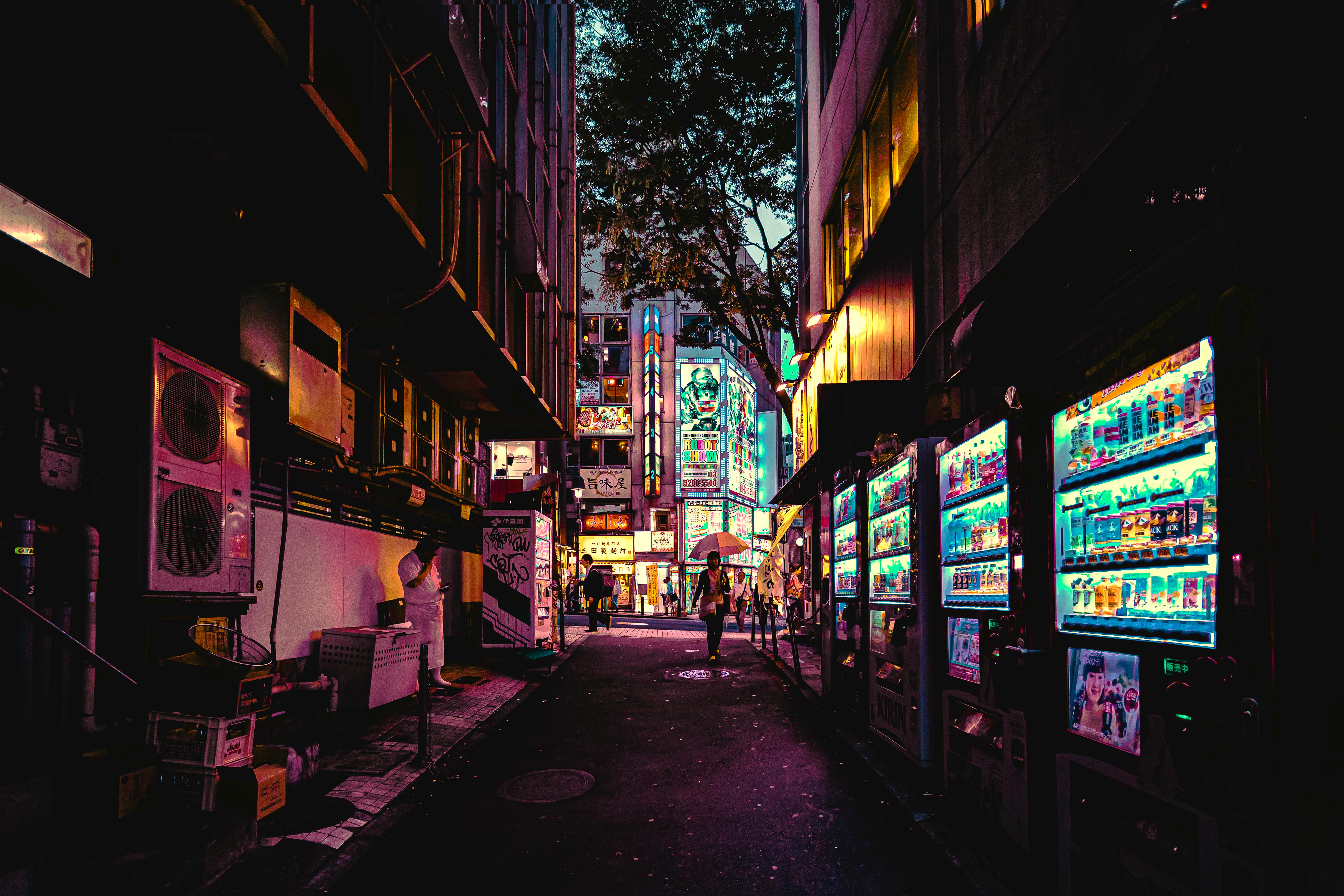
The Australian vending market was valued at approximately $800 million in 2023, with projected growth to $1.2 billion by 2028 according to industry analysis. Vending machines in Australia have expanded significantly beyond traditional snacks and beverages into diverse product categories including fresh food, electronics, PPE supplies, and even wine. This growth reflects changing consumer expectations around convenience, contactless purchasing, and 24/7 product availability. Technology integration has transformed basic mechanical vendors into smart retail platforms with cashless payment systems, remote inventory monitoring, and dynamic pricing capabilities. Touchscreen interfaces, nutritional information displays, and age verification systems enable compliance with food safety regulations and responsible service requirements. The shift toward healthier product options responds to workplace wellness initiatives and consumer demand for better choices beyond chips and chocolate bars.
Cashless Payment Integration
The adoption of cashless payment systems has accelerated dramatically since 2020. Most new vending installations now include contactless card readers, mobile payment compatibility (Apple Pay, Google Pay), and QR code payment options. This shift aligns with broader Australian payment trends where cards and mobile payments account for roughly 95% of retail transactions. Cashless systems reduce maintenance requirements by eliminating coin jams and note reader issues. They also provide detailed transaction data helping operators optimize product selection and pricing. Some machines still include coin mechanisms for locations where cash usage remains common, but dual-system machines cost more and require additional maintenance. The Reserve Bank data shows vending machine cash transactions decreased by 40% between 2019 and 2023.
Product Diversification and Fresh Food Options
Traditional vending focused on shelf-stable snacks with long expiration dates. Modern machines increasingly stock fresh sandwiches, salads, yogurt, and fruit that require refrigeration and daily restocking. This shift requires different machine specifications including more powerful refrigeration units, humidity control, and shorter product rotation cycles. Operators partnering with local cafes or food suppliers can offer quality meals in office buildings, hospitals, and universities where food service options close after hours. The fresh food segment shows higher profit margins (30-40% versus 20-25% for packaged snacks) but demands more logistical management. Temperature monitoring systems alert operators to refrigeration failures preventing food safety issues and product loss.
Location Strategy and High-Traffic Sites
Machine placement determines profitability more than almost any other factor. Premium locations include office buildings with 200+ employees, universities, hospitals, airports, and major transport hubs. These sites provide consistent traffic and captive audiences with limited alternative purchasing options. Securing these locations often requires competitive bidding against other vending operators and negotiating commission agreements where the property owner receives 10-20% of gross sales. Secondary locations like gyms, apartment complexes, and small office buildings have lower traffic but also lower competition and commission rates. Analyzing foot traffic patterns, demographic composition, and existing food service options determines whether a location will generate sufficient sales to justify machine investment and regular servicing.
Remote Monitoring and Inventory Management
Modern vending machines transmit real-time data on sales, inventory levels, payment system status, and temperature readings. Cloud-based management platforms let operators track multiple machines from a central dashboard. This technology reduces unnecessary service visits by indicating exactly which machines need restocking and which products are selling. Predictive analytics identify slow-moving items that tie up space and capital. Dynamic pricing algorithms can adjust prices based on demand, time of day, or remaining inventory. A machine that’s running low on popular items late in the service cycle might increase prices slightly to manage remaining stock until the next refill. These systems require upfront investment in connectivity hardware and software subscriptions but typically pay for themselves through improved operational efficiency within 12-18 months.
Regulatory Compliance and Health Standards
Australian vending operations must comply with food safety standards under the Australia New Zealand Food Standards Code. Machines selling potentially hazardous foods (refrigerated items, high-protein products) require temperature monitoring and documentation. Some states mandate regular health inspections. Age-restricted products like alcohol or tobacco require identity verification systems, often using smart card readers or ID scanning technology. Nutritional labeling requirements apply to vending products similarly to retail packaged goods. The Health Star Rating system appears on many vended products helping consumers make informed choices. Operators need current food handler certifications and documented cleaning protocols meeting health department requirements.



Leave a Reply