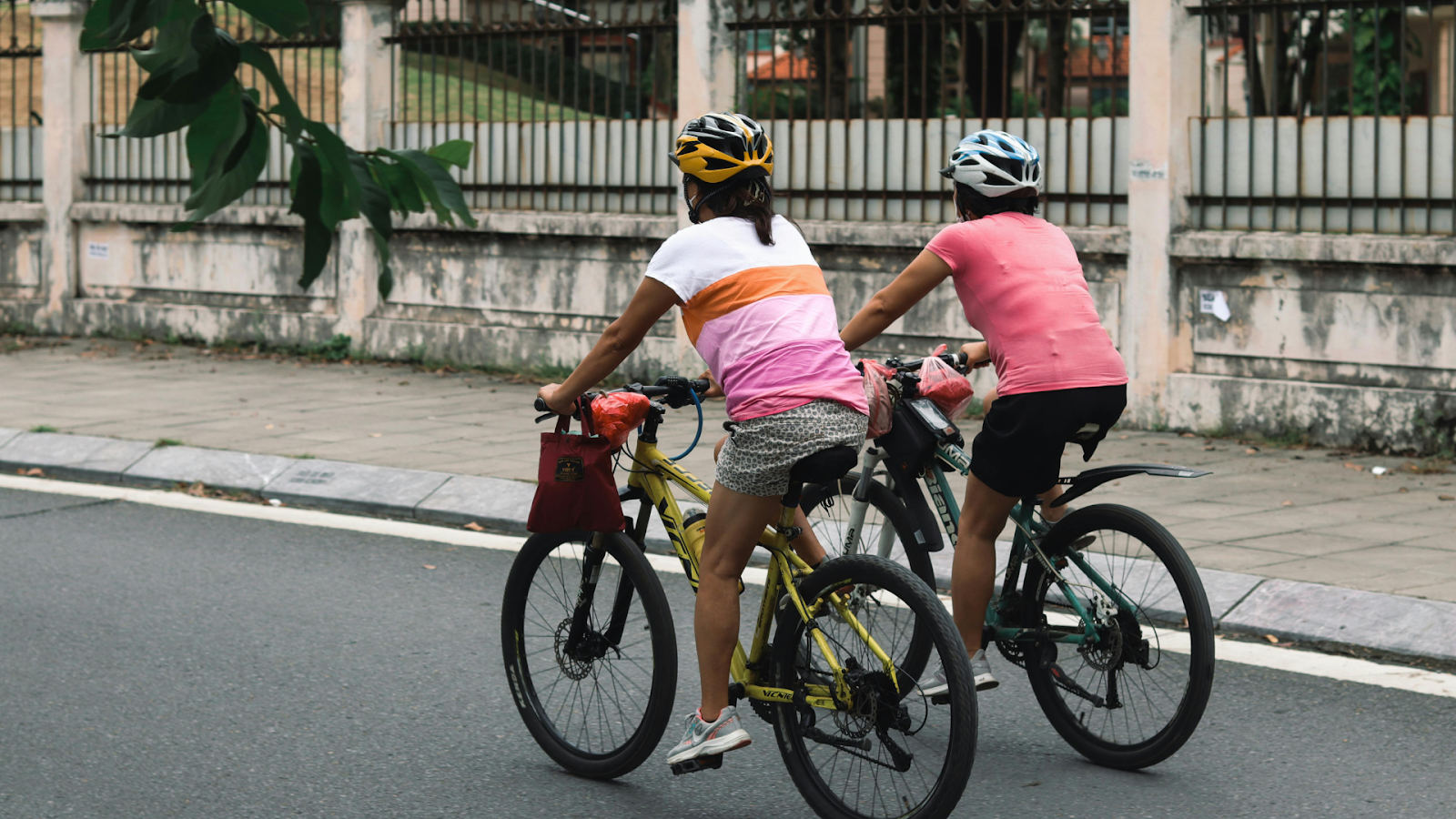
Something’s happening on Canadian streets, and you’ve probably noticed it. The transportation landscape is shifting under our feet, or wheels, rather. Street-legal two-wheelers in Canada aren’t fringe hobbyists anymore. They’re your coworkers, your neighbors, maybe even your kids.
Vancouver to Toronto, the story’s the same: e-bikes and scooters are carving out real estate on roads that cars used to own completely. Gas prices keep climbing. Traffic keeps getting worse. And suddenly, two wheels make a lot more sense than four.
This blog walks you through why this shift’s accelerating, which models handle Canadian winters, and everything else you should know before you swap your car keys for handlebars.
The Explosive Growth of Street-Legal Two-Wheelers in Canada
Let’s talk numbers, because they’re pretty wild. Two-wheelers are experiencing adoption rates that caught even urban planners off guard. When you see someone cruise past your stuck-in-traffic car on an e-bike, that’s not luck. That’s the new normal taking shape.
Canadian Urban Transportation Trends Driving the Shift
Here’s a stat that should make you pause: shared bike and scooter systems logged 157 million trips across the U.S. and Canada in 2023. That’s not people going back to pre-pandemic habits. That’s a genuinely different approach to getting around cities. When filling your tank costs what it does now, paying literal pennies per kilometer starts looking brilliant.
Canadian urban transportation trends show millennials and Gen Z leading this charge, but it’s spreading fast. The appeal? You skip gridlock entirely. Your commute shrinks. Parking becomes irrelevant. For anyone working downtown, these advantages are daily reality.
Major Canadian Cities Leading the Two-Wheeler Movement
Toronto didn’t expand bike lanes for aesthetics. Vancouver’s micro-mobility pilots aren’t experiments anymore, they’re infrastructure. City planners finally accepted what congestion data has been screaming for years: more car lanes won’t fix urban traffic. For riders trying to connect transit stops to home or office, Street rides solve that first-mile, last-mile problem that public transit can’t solve.
Montreal’s e-scooter sharing proved so successful that it ditched temporary rules for permanent regulations. Calgary and Edmonton are pouring money into infrastructure. Each city tweaks regulations for local needs, sure. But the underlying pattern? Two-wheelers just became permanent features of Canadian urban planning.
Understanding Two-Wheeler Laws Canada: Provincial Regulations
Okay, this is where things get messy. Canada’s regulatory landscape for e-bikes and scooters looks like it was designed by committee, different committees in different provinces that never talked to each other. You need to understand this stuff, or you’re risking fines that’ll wipe out any commute savings.
Federal Regulations Overview
Transport Canada starts with baseline definitions. Most e-bikes count as bicycles if they tick certain boxes: the motor maxes out at 500 watts, top speed hits 32 km/h with the motor alone, and you’ve got working pedals. Simple enough. Except provinces took these federal guidelines and added their own interpretations. Helmet requirements? Different. Age limits? Different. Where can you actually ride? Yeah, that varies too, depending on your address.
Province-by-Province Requirements
Ontario calls them motor-assisted bicycles. British Columbia uses motor-assisted cycles. Same machines, different bureaucratic labels. Quebec makes you stick special compliance labels on your bike. Alberta lets electric scooters in Canada riders go places Ontario still prohibits. Want proof that regulations matter? In California’s shared micro-mobility pilot, 49 percent of trips replaced car trips. Clear rules mean people actually use these things.
You absolutely need to check the two-wheeler laws and Canada requirements before buying. Saskatchewan and Manitoba keep it relatively straightforward. Ontario? They’ve got classifications within classifications. Maritime provinces mostly follow federal standards, but municipal bylaws throw curveballs about sidewalks and bike lanes that change from city to city.
Best Street-Legal E-Bikes Canada: What to Consider
Picking an e-bike isn’t like ordering one online because it looks cool. Canadian weather separates functional bikes from expensive mistakes pretty quickly.
Essential Features for the Canadian Climate
The best street-legal e-bikes Canada models don’t just work here; they’re built for here. Battery performance collapses in the cold. Look for systems that maintain a decent range when temperatures hit -20°C, which they will. Fat tires aren’t style choices; they’re what keep you upright on snow-covered streets. Water resistance (IP65 minimum) protects your investment from road salt and slush.
Integrated lights aren’t optional extras when the sun sets at 4:30 PM half the year. And Canadian distances between points A and B typically exceed what Europeans consider “normal.” Range matters. The manufacturer claims 80 kilometers? Expect 50-60% of that in actual winter conditions. Budget accordingly.
Power and Speed Classes
Class 1 e-bikes offering pedal-assist up to 32 km/h fit neatly into most provincial regulations. Class 2 models with throttles face bike lane restrictions in some areas. Class 3 speed pedelecs hitting 45 km/h enter murky legal territory, some provinces require licensing.
Most Canadian riders find 500-watt motors deliver plenty of power for hills and headwinds without triggering the stricter regulations that higher-wattage systems face.
Electric Scooters Canada: Where They’re Legal
E-scooters occupy weirder legal space than e-bikes. Provincial attitudes swing from enthusiastic support to outright bans, sometimes within driving distance of each other.
Current Provincial Status
Alberta and British Columbia welcome e-scooters on roads and paths under specific conditions. Ontario permits them but lets municipalities decide, Toronto says yes, various smaller cities say no. Quebec’s transitioning pilot programs into permanent frameworks. Manitoba legalized them recently after successful trials.
Some Maritime provinces? Still skeptical. This fragmented approach creates headaches for riders. Cross a provincial boundary and your perfectly legal scooter might suddenly violate local law. Always confirm local status before riding somewhere unfamiliar.
Safety and Compliance
Helmets aren’t suggestions for electric scooters Canada riders, they’re mandatory in most places. Speed limiters matching local maximums (usually 24 km/h) and geofencing tech help maintain compliance. Lights, reflectors, and bells meet minimum requirements, but exceeding minimums improves your visibility and safety. Invest in solid locks, too. E-scooter theft is real, given their portability and resale value.
Final Thoughts on Canada’s Two-Wheeler Revolution
Street-legal two-wheelers Canada adoption isn’t hitting a plateau, it’s accelerating as infrastructure expands and prices drop. Environmental concerns, cost savings, faster commutes, whatever your motivation, barriers to entry keep falling.
Provincial regulations are slowly converging toward more permissive frameworks as cities recognize that solving congestion can’t depend solely on cars and buses. Those riders you see zipping past traffic today? They’re not early adopters anymore. They’re just ahead of the curve on what’ll soon be completely mainstream urban transportation.
Your next commute doesn’t need to involve gridlock or cramped transit. Two wheels might be exactly what you’re looking for.
Common Questions About Street-Legal Two-Wheelers in Canada
- Do I need a license to ride street-legal e-bikes in Canada?
Generally, no, if your e-bike meets federal standards (500W, 32 km/h max). Age minimums (usually 16+) and helmet requirements do apply across most jurisdictions, though.
- Can I ride e-scooters during Canadian winters safely?
You can, but preparation matters. Winter tires help. Reduced speeds on ice aren’t optional. Dress appropriately for cold exposure. Accept that the battery range drops significantly. Plenty of riders switch to fat-tire e-bikes for superior winter traction.
- What happens if I ride a non-compliant two-wheeler?
Fines vary by province, typically $100-500 for first offenses. Police can impound vehicles exceeding power or speed limits, particularly after accidents or complaints about dangerous riding.




Leave a Reply