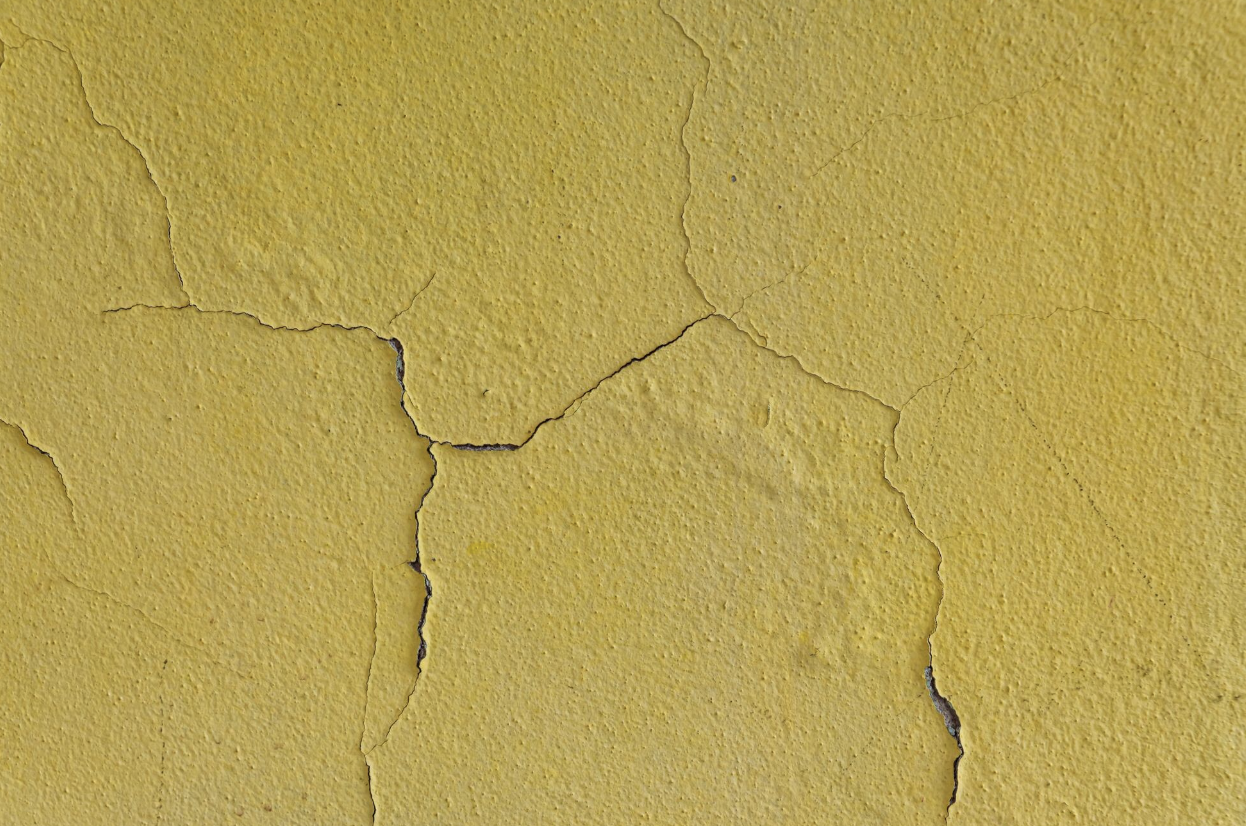
You walk past the same wall every day. Then one morning, you notice it, a crack that wasn’t there before. Or maybe it was, and you just never saw it until now.
Your mind immediately goes to worst-case scenarios. Is the foundation failing? Is the house settling dangerously? Will fixing this cost thousands of dollars?
Most wall cracks are harmless. But some signal serious structural issues that get worse and more expensive over time. The problem? They often look identical to untrained eyes.
Understanding which cracks matter and which don’t can save you from panic over nothing, or from ignoring a problem that needs immediate attention.
This guide helps you tell the difference and know when to call a Residential Structural Engineer Highlands Ranch CO.
The Cracks You Can Ignore (Probably)
Not every crack means disaster. Many are normal parts of houses settling and aging.
Hairline cracks: These thin cracks, barely wider than a strand of hair, usually appear in drywall or plaster. They’re often cosmetic issues caused by:
- Normal settling as the house adjusts to its foundation
- Temperature and humidity changes making materials expand and contract
- Drywall tape losing adhesion over time
- Minor vibrations from traffic or daily activities
Where they commonly appear:
- Corners where walls meet ceilings
- Above doorways and windows
- Along drywall seams where panels join
- Around nail pops in walls
The test: Can you fit a credit card in the crack? If not, it’s probably just cosmetic. If the crack is less than 1/16 inch wide and hasn’t changed in months, it’s usually not structural.
What to do: Watch it. Take a photo with your phone so you can compare later. Mark the crack ends with a pencil and check monthly. If it’s not growing, it’s likely harmless.
The Cracks That Deserve Your Attention
Some crack patterns signal problems you shouldn’t ignore.
Horizontal cracks in basement walls: These are serious red flags. Horizontal cracks often mean the wall is bowing inward from soil pressure outside. This happens when:
- Water saturates soil and pushes against the foundation
- Poor drainage directs water toward the foundation
- Tree roots create pressure
- The wall wasn’t built strong enough for soil conditions
Stair-step cracks in brick or block: These cracks follow the mortar joints in a diagonal pattern. They usually indicate:
- Foundation settlement (the house is sinking unevenly)
- Soil erosion under one section of the foundation
- Expansive soil pushing foundation sections differently
- Poor original construction
According to the American Society of Home Inspectors, stair-step cracks wider than 1/4 inch require professional evaluation. They’re among the most common signs of foundation problems.
Wide vertical cracks: Vertical cracks wider than 1/4 inch can signal foundation issues, especially if:
- They’re wider at the top or bottom (indicating differential settlement)
- They appear in multiple locations
- Doors and windows nearby stick or won’t close properly
- Floors slope toward the crack
Ceiling cracks with sagging: A crack in the ceiling with visible sagging means immediate action. This could indicate:
- Structural beam failure
- Water damage weakening ceiling joists
- Improper framing or overloading from above
- Serious roof issues
Don’t wait on these. They can lead to ceiling collapse.
Where Cracks Appear Matters Most
Location tells you a lot about whether a crack is serious.
Foundation and basement walls: These cracks carry the most risk because they’re in the structure holding up everything else. Watch for:
- Cracks that go completely through the wall
- Water seeping through cracks
- Cracks that grow over time
- Multiple cracks in the same area
Around windows and doors: Cracks radiating from corners of windows and doors are common but not always harmless. They might indicate:
- Normal settling (if diagonal and thin)
- Foundation movement (if wide and accompanied by sticking doors/windows)
- Missing or inadequate lintels (support beams above openings)
Exterior walls: Cracks on the outside of your home face weather and temperature extremes. Concerning signs include:
- Cracks in brick or stone facades
- Gaps where walls meet the foundation
- Cracks that allow water penetration
- Separating corners where two walls meet
Interior drywall: Most interior drywall cracks are cosmetic unless:
- They correspond with cracks on the exterior
- Multiple cracks appear in the same room
- Cracks grow noticeably over weeks or months
- Floors slope or doors won’t close in the same area
Testing Cracks Yourself
You can gather useful information before calling professionals.
The monitoring method:
- Clean the crack and surrounding area
- Mark both ends of the crack with pencil
- Write the date next to your marks
- Take clear photos with a ruler for scale
- Check monthly for changes
What to measure:
- Crack width at the widest point
- Crack length from end to end
- Any offset (one side higher than the other)
- Whether the crack is straight or jagged
The penny test: Try inserting a penny into the crack:
- Won’t fit: Likely cosmetic (less than 1/16 inch)
- Fits partway: Monitor closely (1/16 to 1/8 inch)
- Slides in easily: Call a professional (more than 1/8 inch)
The water test (for basement cracks): After heavy rain, check if water seeps through. Water penetration combined with cracks almost always indicates foundation issues needing repair.
Common Causes Behind Wall Cracks
Understanding why cracks form helps you assess their severity.
Foundation settlement: All houses settle as soil compacts under their weight. Normal settlement is gradual and uniform. Problem settlement happens when:
- One part of the foundation sinks faster than others
- Soil wasn’t properly compacted before building
- Water erodes soil from under the foundation
- Expansive clay soil shrinks during dry periods
Water and moisture: Water causes more foundation problems than anything else. How it creates cracks:
- Saturated soil expands and pushes against foundation walls
- Frozen water in soil lifts foundation (frost heaving)
- Water washing away soil creates voids under foundations
- Moisture cycling causes concrete to expand and contract
The Federal Emergency Management Agency reports that poor drainage causes 60% of basement foundation problems.
Poor construction: Sometimes cracks indicate the house wasn’t built right:
- Inadequate reinforcement in concrete
- Missing control joints where they’re needed
- Improper curing of concrete
- Foundation too shallow for soil type
Tree roots: Large trees near foundations cause cracks two ways:
- Roots physically push against foundation walls
- Roots extract moisture from soil, causing it to shrink and settle
Trees should typically be planted at least as far from the house as their mature height.
Temperature changes: Normal expansion and contraction creates stress:
- Concrete expands in heat, contracts in cold
- Different materials expand at different rates
- Repeated cycles eventually cause cracking
This is why control joints exist, they’re planned weak points where cracks form in controlled locations.
When to Call a Professional
Some situations require expert evaluation immediately.
Call a structural engineer if:
- Cracks are wider than 1/4 inch
- Cracks grow noticeably week-to-week
- You see multiple cracks in the same area
- Doors and windows stick or won’t close
- Floors slope or feel uneven
- Cracks appear with other signs (nail pops, separating trim)
- You notice cracks after an earthquake or major storm
- Water seeps through foundation cracks
- Walls show signs of bowing or leaning
The inspection process: A structural engineer will:
- Examine all cracks throughout the house
- Look for patterns indicating specific problems
- Check the foundation and crawl space
- Assess drainage around the foundation
- Measure any movement or settlement
- Provide a written report with recommendations
Cost expectations: Structural inspections typically run $300 to $800 depending on home size and complexity. This investment provides:
- Professional assessment of crack severity
- Identification of underlying causes
- Repair recommendations
- Documentation for insurance or sale purposes
- Peace of mind or a clear action plan
Repair Options for Different Crack Types
Treatment depends on crack type and cause.
Cosmetic hairline cracks:
- Clean and fill with paintable caulk or spackle
- Sand smooth when dry
- Prime and paint to match
- Cost: $10-50 DIY, $100-300 professional
Drywall cracks from settling:
- Cut out damaged section
- Install new drywall or patch
- Tape and mud properly
- Prime and paint
- Cost: $150-400 per area
Minor foundation cracks (less than 1/8 inch):
- Seal with epoxy or polyurethane injection
- Prevents water penetration
- Doesn’t address underlying settlement
- Cost: $300-800 per crack
Major foundation cracks with settlement:
- May require foundation underpinning
- Helical piers or push piers stabilize foundation
- Crack repair after stabilization
- Cost: $5,000-15,000+ depending on severity
Bowing basement walls:
- Carbon fiber straps for early-stage bowing
- Steel I-beams for advanced bowing
- Possible foundation excavation and repair
- Cost: $4,000-12,000+ per wall
According to HomeAdvisor, the average foundation repair costs between $2,000 and $7,000, with major repairs reaching $15,000 or more.
Preventing Future Cracks
Many cracks can be avoided with proper maintenance.
Improve drainage:
- Keep gutters clean and functional
- Extend downspouts at least 6 feet from foundation
- Grade soil to slope away from house (6 inches drop over 10 feet)
- Install French drains if needed
Control moisture:
- Use dehumidifiers in basements
- Fix plumbing leaks immediately
- Ensure proper ventilation
- Install vapor barriers in crawl spaces
Maintain consistent moisture: During dry periods, soil shrinks away from foundations. During wet periods, it expands. This cycle stresses foundations.
- Water foundation during droughts (keep soil moisture consistent)
- Don’t let soil dry out completely
- Avoid overwatering that saturates soil
Tree management:
- Plant large trees away from the house
- Remove trees that threaten foundations
- Install root barriers if needed
- Keep existing trees properly watered (reduces aggressive root seeking)
Regular inspections:
- Walk around your foundation twice yearly
- Check basement walls for new cracks
- Monitor existing cracks for changes
- Address small problems before they become large ones
The Insurance Question
Many homeowners wonder if insurance covers crack repairs.
Usually NOT covered:
- Settling and normal foundation movement
- Cracks from poor maintenance
- Gradual deterioration
- Construction defects
Sometimes covered:
- Damage from sudden events (earthquakes in earthquake zones)
- Water damage from burst pipes
- Damage from covered perils (fire, vehicle impact)
The documentation strategy: Even if insurance won’t cover repairs, document everything:
- Photos with dates
- Professional inspection reports
- Repair estimates and receipts
- Changes over time
This documentation helps with future sale disclosures and potential claims.
Selling a Home with Wall Cracks
Cracks affect home sales differently depending on severity.
Disclosure requirements: Most states require sellers to disclose known structural issues. Hiding cracks or repairs can lead to lawsuits after sale.
Buyer reactions:
- Minor cosmetic cracks: Usually not deal-breakers
- Repaired structural cracks: Require documentation of repair quality
- Active structural cracks: Often require seller repairs or price reduction
- Unaddressed major cracks: Can kill deals entirely
The repair-before-listing decision: Fixing serious cracks before listing:
- Removes buyer negotiating leverage
- Provides time to find quality contractors
- Lets you control the repair approach
- May increase sale price more than repair cost
Listing with disclosed cracks:
- Buyers typically demand estimates plus 20-30% for uncertainty
- Inspections may reveal additional issues
- Deals fall through more frequently
- Lower final sale prices common
Regional Considerations
Where you live affects crack severity and causes.
Areas with expansive clay soil (Texas, Colorado, California):
- Soil swells when wet, shrinks when dry
- More foundation movement normal
- Regular soil moisture maintenance critical
- More foundation repair companies available
Cold climates with freeze-thaw cycles:
- Frost heaving creates foundation stress
- Ice expansion in cracks worsens them
- Proper foundation depth below frost line essential
- Spring often reveals winter damage
Earthquake zones:
- More cracks expected after seismic events
- Some cracking considered acceptable
- Structural upgrades may be necessary
- Engineers familiar with seismic damage important
High water table areas:
- More hydrostatic pressure on foundations
- Water control more challenging
- Sump pumps and drainage systems essential
- Basement waterproofing common
The Bottom Line
Most wall cracks are harmless settling that requires only cosmetic repair. But some indicate serious structural problems that worsen over time.
The key is knowing which is which. Hairline cracks in drywall at corners? Probably fine. Horizontal cracks in your basement wall? Get professional help now. Stair-step cracks in exterior brick? Time to call a structural engineer.
When in doubt, monitor the crack for a few months. Take photos. Measure it. If it’s growing, if doors start sticking, or if you notice multiple cracks appearing, that’s your signal to get expert evaluation.
A $500 structural inspection provides either peace of mind or a clear action plan. Both outcomes are worth the investment compared to ignoring a problem that could cost tens of thousands later.
Your home is likely your largest investment. Protecting it means addressing problems while they’re small rather than waiting until they’re catastrophic. Trust your instincts, if a crack worries you, getting it checked costs far less than repairing ignored damage.




Leave a Reply