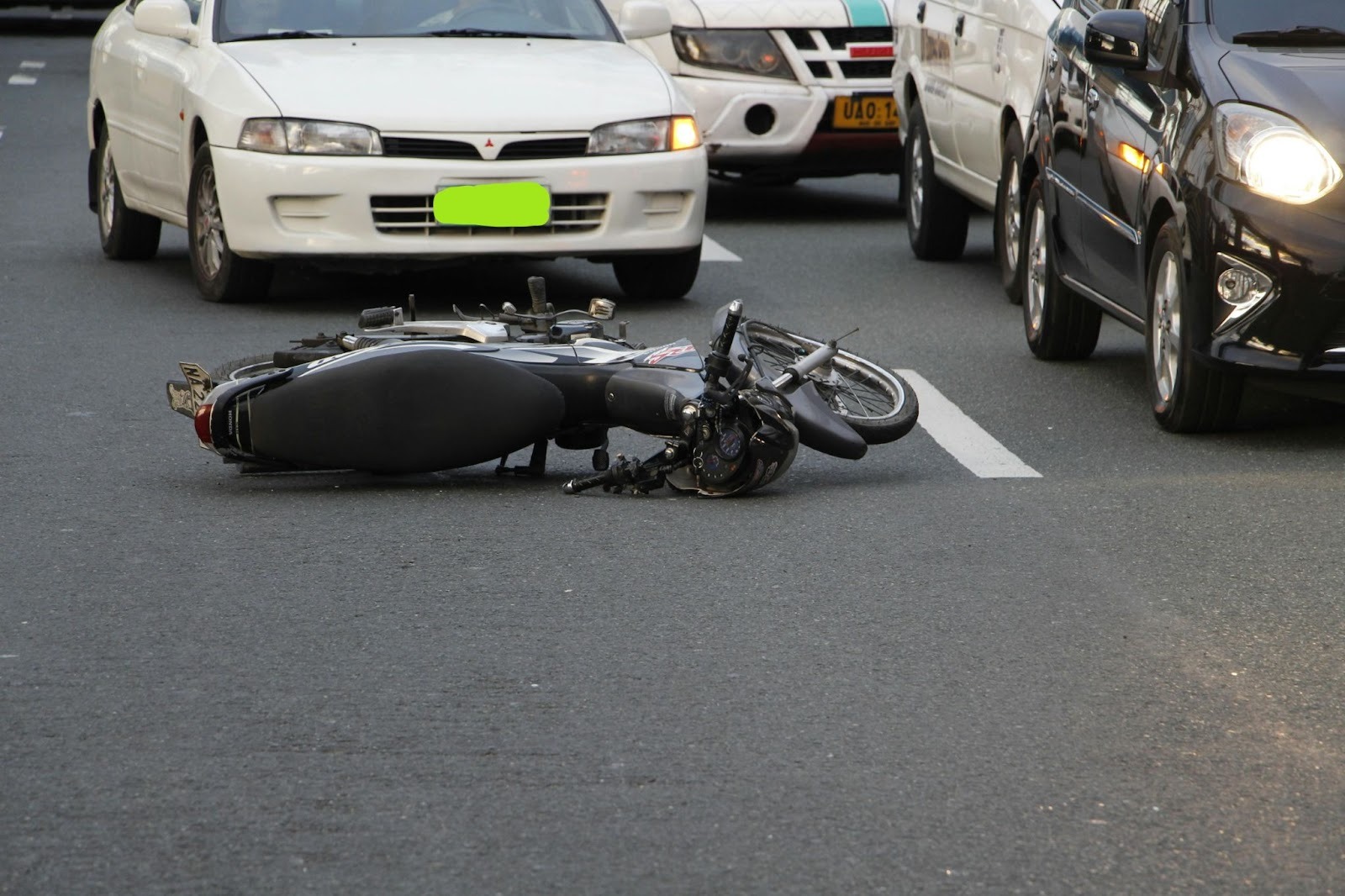
Riding a motorcycle is often described as pure freedom, the hum of the engine, the open road, and a sense of control that feels unmatched. That freedom, however, can disappear in an instant when another driver fails to notice a rider sharing the road. After a serious crash, confusion sets in quickly, along with pain, frustration, and unanswered questions. In that moment, many riders begin searching for clarity and guidance, sometimes coming across advice from a motorcycle accident litigation lawyer in St. Louis while trying to understand what rights exist and how justice can realistically be pursued.
Why Motorcycles Face Greater Risk on the Road
Motorcycles are inherently different from other vehicles. They are smaller, less visible, and offer little physical protection during a collision. Even cautious riders who follow traffic laws closely can find themselves in danger due to the actions of distracted or careless drivers.
Many accidents happen because drivers simply do not see motorcycles. Blind spots, rushed lane changes, and failure to yield at intersections are common causes. When a crash occurs, the motorcyclist often absorbs the full impact, leading to injuries that are far more severe than those seen in typical car accidents.
The Physical and Emotional Toll of a Motorcycle Crash
Injuries from motorcycle accidents can range from broken bones and road rash to traumatic brain injuries and spinal damage. Recovery is often long and unpredictable. Some riders face multiple surgeries, months of rehabilitation, or permanent physical limitations that alter daily life.
Beyond physical injuries, the emotional impact can be just as challenging. Fear of riding again, anxiety in traffic, and frustration over lost independence are common experiences. These struggles are real, yet they are often overlooked when claims are evaluated or negotiated.
The Financial Shock That Follows
Medical bills tend to arrive quickly after a motorcycle accident. Emergency care, hospital stays, follow-up appointments, physical therapy, and medication costs add up fast. At the same time, injuries may prevent a rider from working, cutting off income when expenses are rising.
This financial pressure can feel overwhelming. Savings can disappear, and long-term plans may suddenly feel uncertain. Insurance companies are aware of this vulnerability and may attempt to resolve claims quickly, often before the full scope of injuries and losses is clear.
Why Motorcycle Accident Claims Are Often Challenged
Motorcyclists frequently face unfair bias after an accident. There is a persistent stereotype that riders are reckless or overly aggressive, even when evidence suggests otherwise. This bias can influence insurance adjusters, investigators, and even witnesses.
As a result, claims involving motorcycles are often scrutinized more aggressively. Liability may be disputed, and injuries may be downplayed. Overcoming these assumptions requires careful documentation, strong evidence, and a clear presentation of facts.
Understanding What Fair Compensation Really Means
Compensation after a motorcycle accident is not just about covering immediate medical bills. A fair claim takes into account future medical needs, ongoing therapy, lost wages, reduced earning capacity, and the long-term impact on quality of life.
Pain and suffering also matter. Chronic pain, emotional distress, and the loss of activities once enjoyed are real consequences of serious injuries. A thorough approach to compensation acknowledges these factors and works to reflect them accurately.
Evidence Plays a Critical Role
Strong motorcycle accident cases are built on evidence. Police reports, witness statements, photographs from the scene, medical records, and expert analysis all help tell the story of what happened. The sooner this evidence is gathered, the stronger a claim can be.
Motorcycle accidents often require accident reconstruction to show how and why a crash occurred. Skid marks, vehicle damage, and road conditions can reveal important details that support a rider’s version of events.
Dealing With Insurance Companies Takes Strategy
Insurance companies are experienced in handling claims, and they often have teams dedicated to minimizing payouts. Adjusters may ask questions that seem harmless but are designed to elicit responses that weaken a claim.
Early settlement offers are common, especially when injuries appear serious. While these offers may seem helpful, they often fail to account for future medical costs or long-term consequences. Accepting too soon can leave injured riders without the resources they need later on.
The Legal Process Can Feel Intimidating
For many people, navigating the legal system is unfamiliar territory. Filing claims, meeting deadlines, and understanding legal terminology can add stress during an already difficult time.
There are strict time limits for pursuing motorcycle accident claims, known as statutes of limitations. Missing a deadline can result in losing the right to seek compensation entirely. Keeping track of these details is essential, yet challenging while focusing on recovery.
How Legal Support Helps Level the Field
Having knowledgeable legal support changes the dynamic of a motorcycle accident claim. Instead of dealing with insurance companies alone, injured riders gain an advocate who understands the law, the tactics used by insurers, and the value of a well-prepared case.
Legal support involves more than paperwork. It includes investigating the accident, consulting with medical and technical experts, negotiating with insurers, and preparing for litigation if necessary. This approach helps ensure that no aspect of the claim is overlooked.
When Negotiation Is Not Enough
Many motorcycle accident cases are resolved through negotiation, but not all. When insurance companies refuse to offer fair compensation, litigation may become necessary. While the idea of going to court can feel daunting, it is sometimes the most effective way to pursue justice.
Litigation allows for formal discovery, which can uncover evidence that insurers may not willingly share. This process can strengthen a case and shift leverage in favor of the injured rider.
Recovery Requires Space and Support
Healing after a motorcycle accident takes time. Managing appointments, therapy, and daily challenges is demanding enough without the added burden of legal battles. Reducing stress during this period is crucial for both physical and emotional recovery.
Knowing that someone is handling negotiations, protecting rights, and working toward a fair outcome allows injured riders to focus on healing. That peace of mind is often an important part of the recovery process.
Communication Builds Trust
Trustworthy legal support is rooted in clear and honest communication. Understanding what to expect, what options exist, and how a case is progressing helps reduce anxiety and confusion.
Clients deserve transparency and realistic guidance, not empty promises. When communication is consistent and straightforward, it becomes easier to make informed decisions with confidence.
Every Rider’s Story Is Different
No two motorcycle accidents are exactly alike. Road conditions, traffic patterns, injuries, and personal circumstances all vary. A one size fits all approach rarely works in these cases.
Effective legal support recognizes these differences and adapts strategy accordingly. Listening carefully and tailoring the approach to each situation often leads to stronger outcomes and a more supportive experience.
Looking Ahead After a Life-Altering Crash
A motorcycle accident can change life in ways that are difficult to imagine beforehand. Plans may shift, priorities may change, and the road forward may feel uncertain. Still, recovery and stability are possible with the right support.
Understanding rights, recognizing common insurance tactics, and seeking experienced legal guidance are important steps toward rebuilding. While the journey may be challenging, injured riders do not have to navigate it alone. Strong support can help turn a painful chapter into a path forward with confidence and clarity.



Leave a Reply