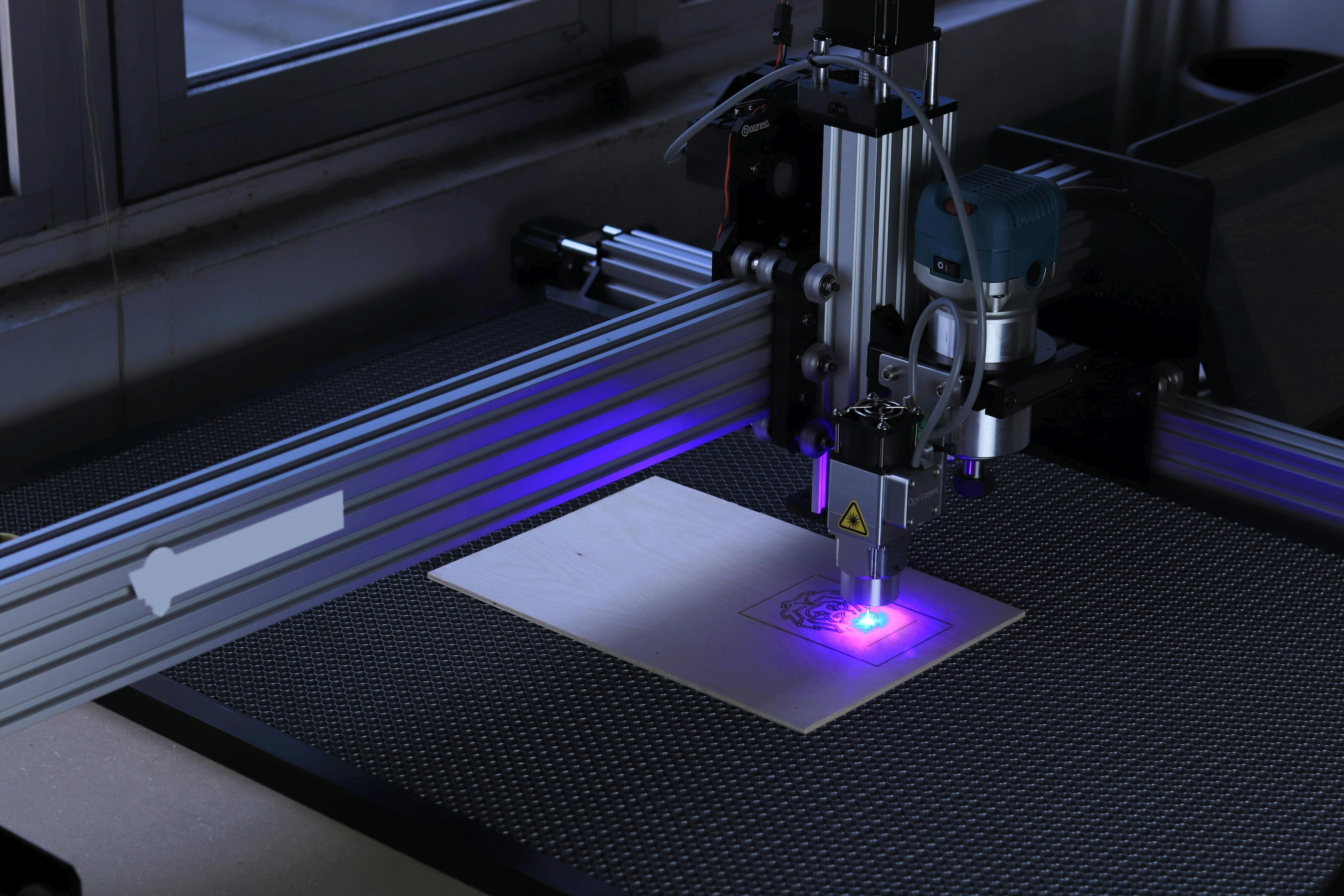
In the industrial sector, surface cleaning is a critical step in maintaining equipment, preparing materials for processing, and ensuring product quality. Traditional cleaning methods, such as chemical treatments, sandblasting, or mechanical abrasion, often come with limitations like surface damage, environmental hazards, and labor intensity. This has led to the growing adoption of laser technology in industrial cleaning. Understanding the pros and cons of laser cleaning is essential for manufacturers and facility managers considering this modern solution.
What is a Laser Cleaning Machine?
A laser cleaning machine manufacturer designs and produces equipment that uses concentrated laser energy to remove rust, oil, paint, oxide layers, and other contaminants from a wide variety of surfaces. Unlike conventional methods, laser cleaning is a non-contact process, allowing operators to clean delicate parts without harming the underlying material. Modern machines range from handheld units to automated systems integrated into production lines.
Advantages of Laser Cleaning Machines
1. Precision Cleaning
One of the most notable benefits of laser cleaning is precision. The laser targets only the contaminant layer, leaving the base material intact. This precision is invaluable for delicate components, molds, and tools that require high surface integrity. For example, aerospace parts, automotive molds, and historical artifacts can be cleaned without the risk of scratches or micro-damage.
2. Environmentally Friendly
Laser cleaning eliminates the need for chemical solvents or abrasive media, reducing waste and environmental impact. Unlike chemical cleaning, there is no runoff that requires disposal, making laser cleaning an eco-friendly alternative for modern factories.
3. Reduced Labor and Time
Laser systems work significantly faster than manual or mechanical methods. By automating cleaning for high-volume tasks, manufacturers can cut down on labor costs and minimize production downtime, resulting in higher overall efficiency.
4. Versatility
A laser cleaning machine manufacturer can provide solutions suitable for a wide range of materials, including steel, aluminum, copper, and composites. Laser cleaning is also effective in removing rust, paint, oil, oxide layers, and other surface contaminants, making it adaptable for various industrial applications.
5. Safety
Laser cleaning reduces physical strain on operators since it is non-contact and can be automated. Furthermore, modern machines often include safety enclosures, protective eyewear, and fume extraction systems, lowering workplace hazards.
Disadvantages of Laser Cleaning Machines
1. High Initial Investment
One of the main drawbacks is the upfront cost. Laser cleaning equipment, particularly high-powered or pulsed models, can be expensive compared to traditional cleaning methods. Small workshops or budget-limited operations may find this investment challenging.
2. Training Requirement
Operators must be trained to use laser cleaning systems safely and effectively. Understanding laser parameters, surface materials, and safety protocols is essential to prevent damage or accidents.
3. Limited Effectiveness on Certain Contaminants
While laser cleaning is versatile, it may struggle with extremely thick coatings or very stubborn contaminants. In such cases, pre-treatment or a hybrid approach combining mechanical and laser cleaning may be necessary.
4. Energy Consumption
High-power lasers consume more energy than conventional cleaning methods, which can increase operational costs if the machine is used continuously or extensively.
5. Maintenance Needs
Although relatively low-maintenance compared to mechanical systems, laser cleaning machines require periodic calibration, optics cleaning, and sometimes replacement of laser components to maintain performance.
Conclusion
Laser cleaning offers a modern, precise, and environmentally friendly approach to industrial surface cleaning. While there are clear benefits such as precision, efficiency, safety, and versatility, it is important to consider the pros and cons of laser cleaning before investing. Understanding the limitations, training requirements, and maintenance needs ensures that facilities can make informed decisions and maximize the benefits of this advanced technology.
For businesses seeking a reliable supplier, a laser cleaning machine manufacturer can provide the right equipment tailored to specific industrial applications. Whether for rust removal, paint stripping, or general surface preparation, laser cleaning represents the future of efficient and sustainable industrial maintenance.

Leave a Reply