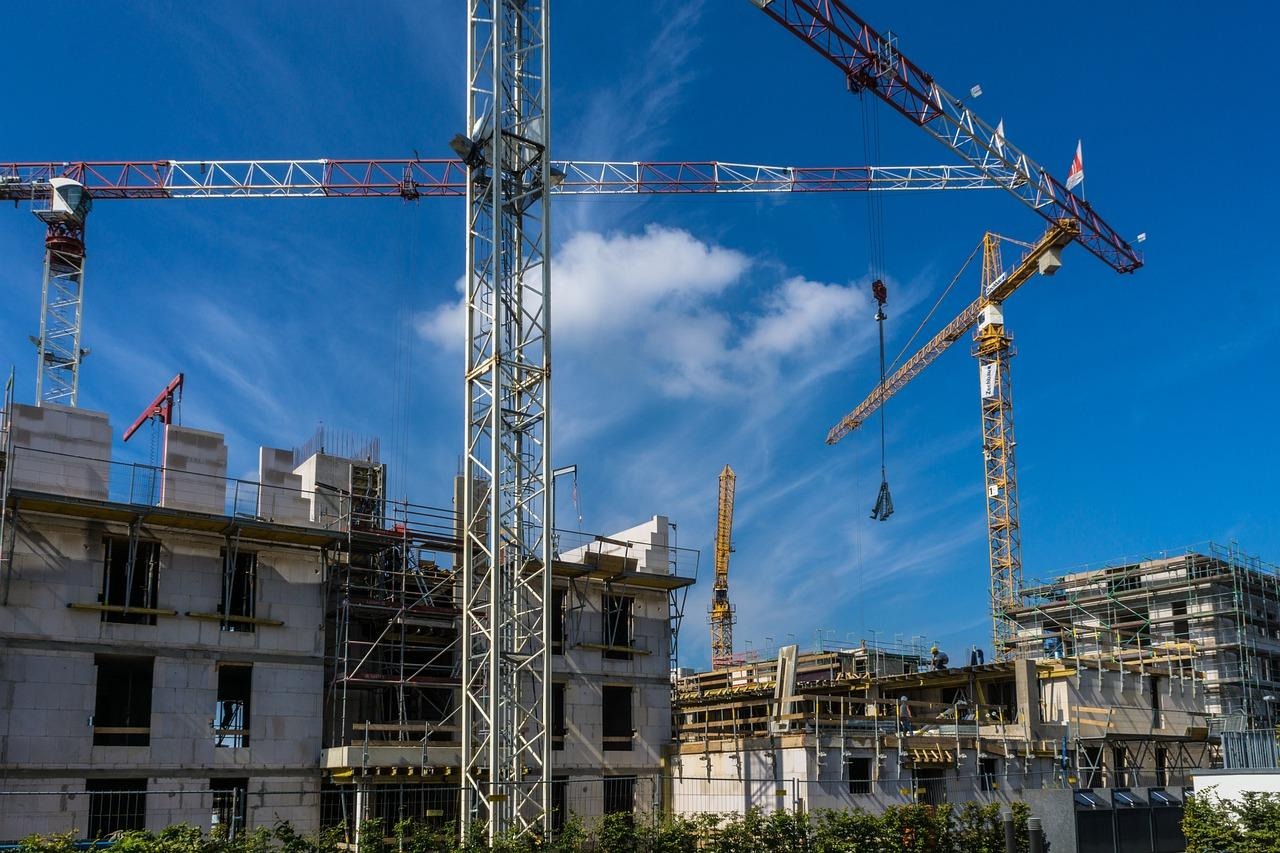
Busy construction sites rely on practical solutions that keep work predictable, organized, and steady. Crews move quickly, schedules shift, and multiple teams depend on clear direction. Strong planning, dependable storage, quality equipment, and streamlined communication help projects stay on track without unnecessary disruption.
These solutions create structure for field teams and give project leaders confidence that every phase is supported. A well-prepared jobsite feels coordinated, safe, and ready for the fast pace that defines today’s building environments. Let us elaborate on the key elements that strengthen this foundation.
Strong Site Planning That Sets the Tone for Productivity
Thoughtful planning shapes the entire jobsite experience. A project runs more smoothly when leaders understand flow patterns, material needs, and daily task sequencing. Crews benefit from a layout that reduces bottlenecks and supports clean movement across the site. Clear schedules guide teams through each phase and prevent conflicts that slow progress.
Careful attention to early planning gives every worker a sense of direction and helps large teams operate with a steady rhythm. A predictable site allows specialists to focus on their craft instead of navigating confusion. This approach sets the stage for consistent productivity throughout the build.
Reliable Onsite Storage That Keeps Materials Secure
Security, accessibility, and order become essential once materials begin arriving. Mobile storage containers provide protected, onsite space that keeps tools and materials secure while remaining easy for crews to access.
Limited budgets and changing site demands require practical storage solutions. Construction managers rely on storage containers for rent to keep materials organized and jobsites orderly. These flexible options can be delivered quickly, placed where they are needed most, and relocated as projects evolve, making them well suited for dynamic construction environments. Clean, structured storage areas also help reduce clutter that can cause delays or safety concerns.
Equipment Solutions That Match Project Demands
Every construction project depends on tools and machinery that support specialized tasks. The right equipment keeps teams efficient and reduces the risk of work stoppages caused by mechanical issues. Careful selection ensures that each crew has access to machines built for the type of work they’re performing.
Routine checks and maintenance strengthen safety and help equipment stay reliable throughout long shifts. A well-supported equipment lineup gives crews the power to maintain steady progress, even during complex stages of a build. Strong equipment planning also contributes to predictable timelines and smoother coordination among trade partners.
Technology That Streamlines Coordination and Communication
Modern construction teams benefit greatly from digital platforms that deliver real-time clarity. Supervisors and subcontractors stay aligned when information flows through one reliable system. Clear task lists, progress updates, and document access help teams avoid confusion that delays work.
Project leaders can adjust schedules, share drawings, and communicate changes quickly. Smooth coordination builds trust among workers and reduces the stress that comes with rapid project movement. Technology becomes a practical support system that strengthens decision-making and reduces friction across the jobsite.
Safety Systems That Create a Confident Work Environment
Safety measures shape the culture of a jobsite. Workers feel supported when guidelines are clear and reinforced through regular training. Protective gear, monitoring tools, and hazard-prevention systems play a major role in keeping crews focused and aware of their surroundings. Consistent reminders encourage safe habits and help workers approach each task with confidence.
A strong safety environment reduces accidents and supports steady morale, which directly affects productivity. Teams perform better when they trust that leaders value their well-being and provide the resources needed to stay protected. This commitment strengthens every part of the project and reinforces long-term stability on the jobsite. Partnering with an experienced civil engineering company ensures that safety protocols are integrated from planning through execution, minimizing risks and enhancing overall project outcomes.
Workforce Support That Reduces Pressure on Crews
A skilled workforce stays productive when the right support is in place. Clear direction helps teams understand priorities without wasting time sorting through conflicting instructions. Crews work more comfortably when guidance is easy to access, and supervisors remain present throughout the day.
Training opportunities also strengthen confidence, especially when workers transition into new tasks or equipment. Supportive leadership sets the tone for cooperation across the jobsite and helps teams perform at a steady pace. Fair scheduling and open communication keep morale high and allow crews to stay focused during demanding phases of the build.
Material Management That Prevents Waste and Supports Budget Goals
Material flow can influence the speed and efficiency of a project. Accurate tracking helps teams understand what is on hand and what needs replenishing, which reduces the risk of unexpected shortages. Organized delivery schedules ensure that materials arrive when crews are ready for them, not long before or after.
Careful logging creates predictable patterns that make planning easier for both field teams and managers. This level of oversight helps reduce unnecessary spending and supports responsible use of project resources. When materials move smoothly across the site, crews work with fewer interruptions and stay aligned with the project timeline.
Flexible Solutions That Help Projects Adapt to Changing Conditions
Construction projects often face shifting needs, and adaptable systems help teams respond without losing momentum. Access to versatile tools, adjustable workflows, and scalable support options makes a noticeable difference when challenges emerge. Quick adjustments become easier when the jobsite is prepared with resources suited for different scenarios.
A flexible approach also gives leaders the freedom to refine plans as the project evolves. Teams stay productive when they know solutions are available for unexpected demands. This mindset supports long-term progress and keeps projects moving forward with confidence.
Busy construction sites depend on practical systems that reinforce structure, safety, and consistency. Strong planning, dependable storage, reliable equipment, and modern communication tools work together to create a jobsite that functions smoothly under pressure.
Safety programs, skilled crews, material oversight, and flexible solutions strengthen that foundation and help projects stay steady through every stage. A well-supported jobsite gives leaders room to focus on quality while crews work with clarity and confidence. These solutions build environments where progress feels natural, and every team member contributes to successful outcomes.



Leave a Reply