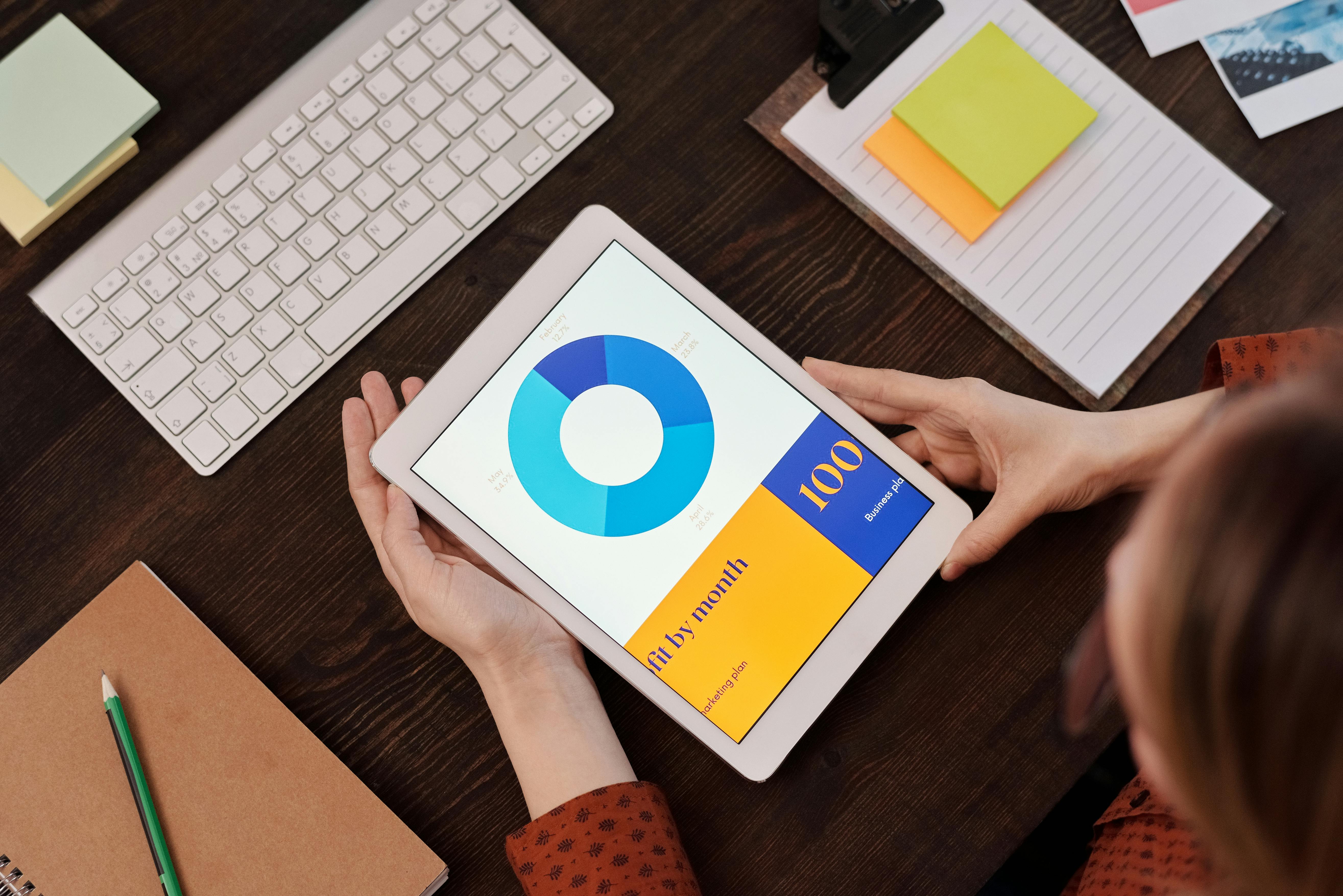
High hardware expenses remain a major concern for many businesses today. Purchasing tablets in large numbers places pressure on budgets and cash flow. Devices require constant updates, secure storage, and regular replacement. As a result, ownership leads to hidden costs over time.
So, when businesses rent a tablet, it offers a practical path that supports financial control. This option suits short projects, events, and mobile teams. It also works well for long-term operational use. Many firms now consider rentals as a smart expense choice. This article explores how tablet rentals help reduce high hardware costs. It also explains clear financial benefits across business needs.
Reduced Upfront Capital Commitments
Tablet purchases demand a large upfront payment. Such spending affects liquidity and limits funds for other priorities. Tablet rentals replace heavy purchases with manageable payments. This approach supports better budget balance across departments. Companies gain device access without capital strain. Funds stay free for growth or essential services. Rentals create predictable monthly expenses. Predictability supports confident planning cycles. Finance teams appreciate reduced approval delays. Tablets become an operational cost rather than a financial burden.
Lower Maintenance And Replacement Costs
Device ownership brings repair responsibilities and service fees. Screens crack and batteries wear out over time. Tablet rentals transfer repair duties to the provider. Faulty devices receive quick replacement without added charges. This support prevents downtime across teams. Firms avoid surprise repair bills. Providers handle wear-related issues as part of the service. Insurance coverage often comes with rental plans. This coverage reduces exposure to device damage costs. Operations continue without financial disruption.
Flexible Device Access For Short And Long Projects
Business needs shift across seasons and projects. Tablet rentals suit trade shows, training sessions, or audits. Devices remain available only for required durations. Companies avoid storage costs after the project ends. Long-term rentals also support field teams. Quantity adjustments happen easily during contract periods. This option prevents excess device accumulation. Inventory levels stay aligned with real demand. Managers appreciate quick access to extra tablets. Resource allocation becomes simpler and cost-aware.
Reduced Technology Obsolescence Impact
Tablet models update frequently across the market. Owned devices lose value at a rapid pace. Tablet rentals avoid depreciation issues fully. Providers refresh device stock on a regular cycle. Businesses receive modern tablets without upgrade pressure. Teams gain access to current features and software support. This approach prevents loss tied to outdated hardware. Companies sidestep resale or disposal concerns. Environmental responsibility also improves through reuse. Technology access stays current without added expense.
Simplified IT Management And Support
Managing large tablet fleets demands time and skilled staff. Tablet rentals reduce internal IT workload. Providers manage setup, configuration, and security controls. This service saves staffing costs. Deployment across locations becomes faster. Support teams address technical issues directly. Firms avoid training staff for tablet maintenance. Documentation and compliance assistance are also included. Centralised control improves operational flow. IT teams focus on core systems instead.
Tablet rentals present a reliable route toward lower hardware expenses. When businesses rent a tablet, it removes large purchase commitments from budgets. It also limits exposure to repair and replacement costs. Flexible access suits changing business needs with ease. Tablet rentals stand as a practical financial decision for modern operations.




Leave a Reply