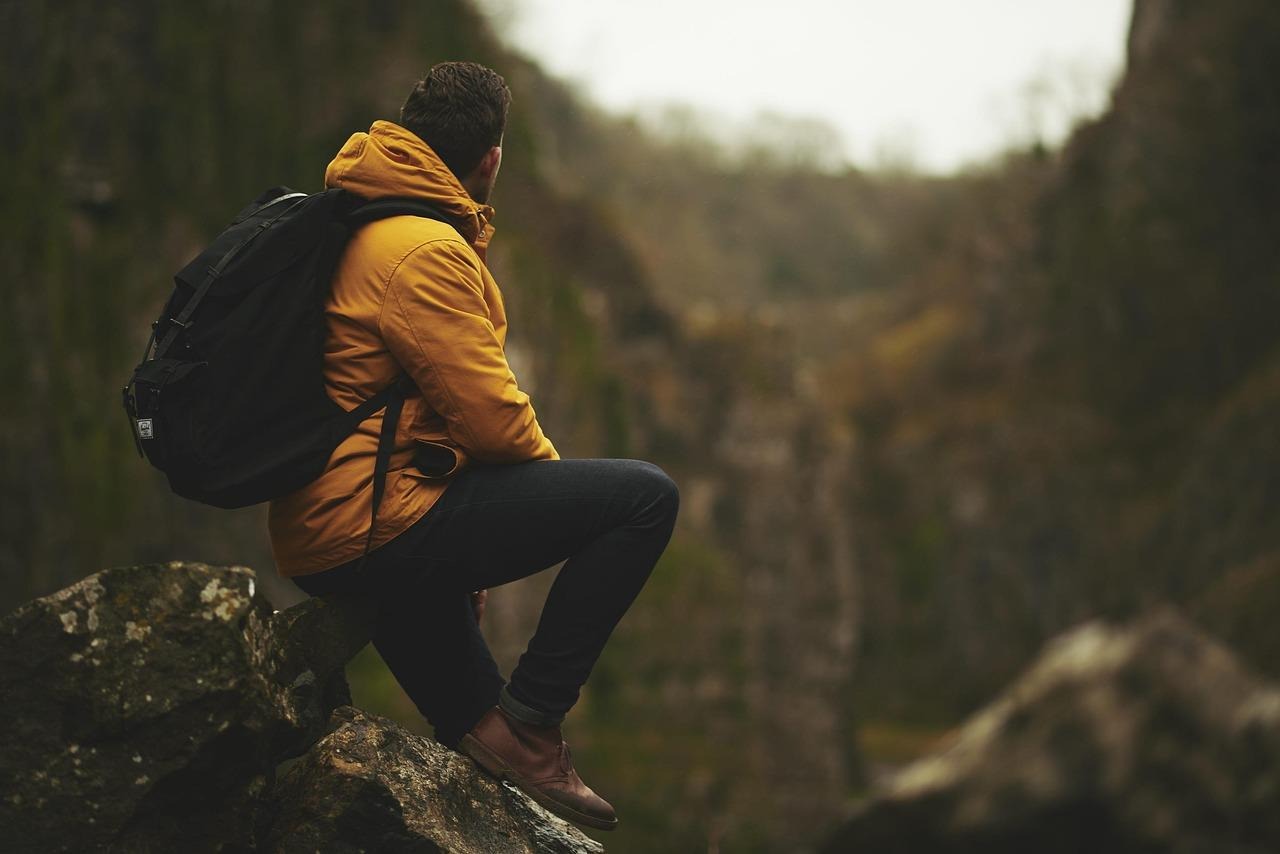
Heading out for a hike but don’t want to be weighed down by extra stuff?
Every season thousands of hikers hit the trails unprepared. Some overpack unnecessarily. Others forget essentials.
Research even shows that 31% of hiking accidents could’ve been prevented with the proper equipment.
The problem?
Many assume day hiking requires expensive specialized gear. But that’s just not true. Anyone can learn what to bring on a day hike and remain safe, comfortable and ready for anything Mother Nature throws their way.
Here’s what we’ll cover:
- Why Having Proper Gear Can Save Your Life
- Must-Have Gear for Day Hiking
- Items You Don’t Need To Bring
- Selecting the Best Equipment for YOU
Why Having Proper Gear Can Save Your Life
Let me start off by saying this…
Day hiking is one of the easiest types of hiking to prepare for. Short distance. Little gear. A little fresh air. Maybe some nice views at the top.
It seems simple enough, but even short day hikes can become dangerous if you don’t have the proper gear.
For instance, did you know that falls and slips are responsible for almost half of all hiking injuries? Proper footwear and trekking poles can eliminate many of these accidents.
One wrong step on rocky terrain and you could easily find yourself limping back to the car. Weather can change in an instant too. A few miles down the trail with bad weather suddenly hitting is not ideal if you forgot rain gear.
But here’s the biggest hiking myth…
Some people overpack. Others forget things they should’ve never left home without. Packing the perfect day hiking bag is about finding that perfect balance between being prepared and carrying excess weight.
Must-Have Gear for Day Hiking
Footwear
There’s nothing worse than starting a hike with ill-fitting or uncomfortable footwear.
Blisters, ankle rolls, sore feet. It all starts with your shoes on a hike. Look for the best hiking boots that have great ankle support, traction, and protection from rocks and roots. If you’re hiking rugged terrain with lots of ups and downs, you may want to consider mid-cut boots. They provide more stability which can help prevent injury on downhill trails.
Look for boots that have:
- Thick tread pattern for ample grip on different surfaces
- Are waterproof or water resistant
- Fit comfortably with enough room to move your toes
- Have good ankle support for the trails you’ll be hiking
Couple your boots with some good moisture-wicking socks and you’ll avoid moisture buildup that causes painful blisters. Stay away from cotton socks at all costs. They soak up the moisture!
Pack a Lightweight Daypack
Every hiker needs a dependable backpack to store their gear.
When packing for day hikes, a daypack ranging from 20-35 liters will do the trick. This gives you plenty of space for layers, extra food and water, first aid, and whatever else you might need without being bulky.
Look for a daypack with:
- Multiple compartments for easy organization
- Padded shoulder straps and a comfortable hip belt
- Ability to attach a hydration reservoir
- Easy access to main compartment
Don’t grab that dusty old backpack from college and call it good. Purpose made hiking packs help distribute weight more evenly and reduce stress on your back over long distances.
Hydration & Snacks
Trust me, dehydration leads to poor decision making out on the trail.
Bring at least 2 liters of water for any day hike that will exceed a few hours. If it’s hot outside or you’ll be hiking mountainous terrain, bring more. Hydration reservoirs are great because they allow you to drink hands-free but standard water bottles work just fine too.
As far as food goes, over prepare. You’ll feel grateful you did later. Pack snacks like trail mix, protein bars, and sandwiches to keep your energy levels high throughout the day. The last thing you want is to run out of steam miles from your car.
Navigation
Getting lost sucks… but it happens more than you think.
Cell phones and GPS are great, but don’t solely rely on them. Download the trail map of your destination on your phone before you leave home. That way you have a map even if you lose service. It’s also smart to screenshot the trailhead sign before you start your hike. Nothing is worse than taking a wrong turn with no way of confirming which direction you came from.
Here’s what you should always have:
- Physical map of the trail or region you’re hiking
- Compass (and know how to use it)
- Offline trail map on your smartphone
Emergency & Safety Gear
Okay this is where some people will begin to overpack. But hear me out…
A basic first aid kit can cover minor cuts, blisters, and scrapes. But what about true emergencies? Take a minute and think about what you would do if something happened to you out on the trail and help wasn’t on the way for an extended period of time. Here are some items that can help you survive until help arrives:
- Headlamp with extra batteries
- Emergency whistle
- Firestarting kit
- Emergency bivy sack or space blanket
- Multi-tool or knife
These items take up very little space but can be lifesavers in an emergency situation.
Weather Protection
Weather can change in an instant. Literally.
You could leave for your hike with sunshine beaming down only to find yourself dodging rain clouds half way there. Always pack a lightweight rain jacket. They take up almost no room and can be a total game changer if it decides to pour. Throw on some extra layers you can wear if it gets chilly or you’ll sweat a lot during the uphill portions. Merino wool and synthetic fibers will keep you warm if they get soaked.
Don’t forget sun protection either:
- Sunscreen (don’t forget to reapply every couple hours)
- Sunglasses with UV protection
- Hat with a brim
Items You Don’t Need To Bring
Here is where most people tend to go wrong…
They try to pack for every eventuality instead of packing for what’s likely. Carrying around extra weight you don’t need will only serve to slow you down and suck the joy out of your hike.
Leave these items at home:
- Heavy camera gear (use your phone)
- Extra changes of clothing
- Too much food
- Full size toiletries
- Heavy entertainment electronics
Summary
A day hike should be enjoyable. Not a time where you’re worrying about your feet hurting from new shoes or being stranded on the side of a mountain because it starts raining.
Here’s a recap of what you should bring:
- Invest in a good pair of hiking boots
- Pack a comfortable daypack
- Bring plenty of water and snacks
- Bring navigation tools (and know how to use them)
- Pack emergency equipment just in case
- Leave unnecessary junk at home
Having the proper gear before your next day hike will make your trip that much more enjoyable. Once you figure out what you need and don’t need, you’ll wonder why you ever left the house without it in the first place.
So get out there and start hiking!




Leave a Reply