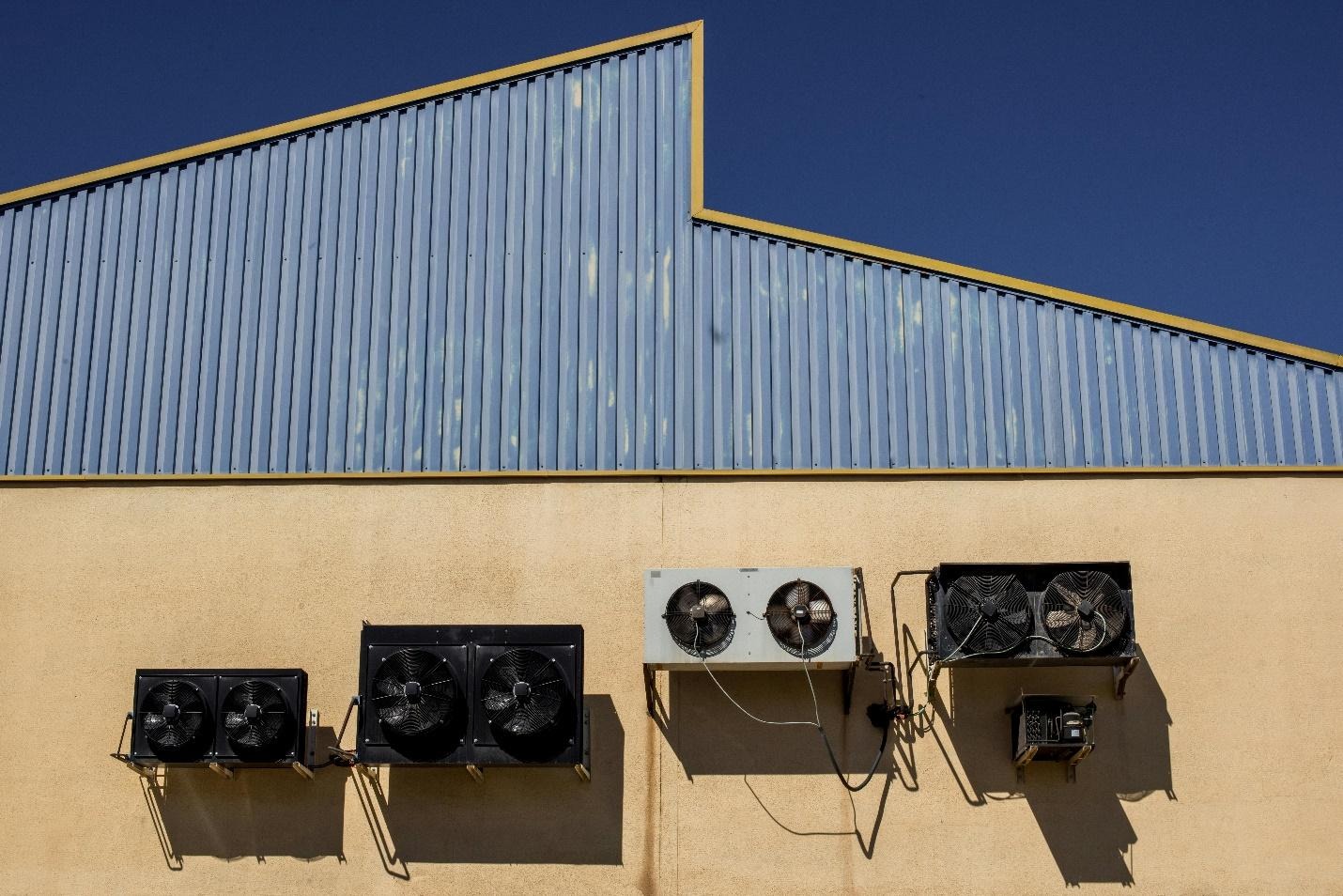
Ever had the heat stop working right when the weather turns colder, and suddenly the house feels uncomfortable? It’s a familiar situation. You notice the chill. Other people notice it too. Someone checks the thermostat. Someone else asks if it was making noise earlier. Nothing dramatic happens, but everyone knows the day just got harder.
People who work with heating and cooling systems see this all the time. Not as an emergency every time, but as proof of how little room there is for error. Weather shifts faster now, sometimes overnight. Systems don’t always keep up. When they fall behind, discomfort shows up quickly, and stress follows right after.
Weather Doesn’t Wait for Schedules
Seasonal shifts used to follow a loose pattern. You could almost plan around them. These days, it’s less predictable. Warm spells show up in winter. Cold snaps hit early in the fall. Systems that were “fine last week” suddenly aren’t fine at all, and the timing is never convenient. What tends to get overlooked is how much pressure that puts on everyday routines. Homes aren’t designed to flex endlessly. Offices run on fixed hours. People are working from home more, staying in during the day, noticing every hum and rattle they used to ignore. When heating or cooling falls behind, it’s felt immediately, not just as discomfort but as a distraction.
Where Speed Meets Trust
There’s a difference between fast response and rushed work, and most homeowners learn that difference the hard way. A quick patch might get air moving again, but if the root issue isn’t understood, the relief doesn’t last. Then the calls repeat. So does the frustration. What actually helps is when the response is quick and steady. With the intervention of the right HVAC company, half the problem is already solved. They already know the local conditions and the common system setups and know exactly what needs to be done. That kind of familiarity isn’t flashy, but it saves time in quiet ways. Fewer guesses. Less backtracking. Less explaining from the homeowner’s side.
Downtime Has a Cost That People Don’t Always Measure
When systems go down, people usually think in terms of repair bills. That’s only part of it. There’s also the cost of waiting, rescheduling meetings, closing rooms, or sending employees home early. In homes, it shows up as poor sleep, cold mornings, or rooms no one wants to use.
Businesses feel it differently. Customers notice when spaces aren’t comfortable. Employees notice even faster. And while no one writes that down on a balance sheet right away, it affects how smoothly a day runs. Comfort has a way of fading into the background when it works, and dominating attention when it doesn’t.
Fast, reliable service limits that disruption. Not by eliminating problems, but by shortening the window where everything feels off. That window matters more now than it used to.
Trust Is Built in the Boring Moments
People often talk about trust as if it’s built during emergencies. In reality, it’s built during the quiet visits. The routine checks. The explanations that aren’t rushed. The moments where someone says, “This isn’t urgent yet, but here’s what to watch.”
Those interactions shape how people react when things actually fail. If communication has been clear before, panic stays lower. Decisions come easier. There’s less second-guessing, less shopping around while the temperature drops.
This is especially true as systems get more complex. Even basic units now come with controls and sensors most homeowners don’t want to think about. Trust fills that gap. It lets people focus on their day instead of their equipment.
Changing Habits, Changing Expectations
Work habits have shifted. People are home more during business hours. Offices are rethinking layouts and usage. Buildings that once sat empty during the day now need steady climate control from morning to night. That change has raised expectations. Delays that might have been tolerable years ago now feel heavier. Waiting three days for service isn’t just uncomfortable; it’s disruptive. And weather doesn’t pause while schedules catch up. Reliable service adapts to that reality. It recognizes that timing matters as much as technical skill. Sometimes more.
Not Every Fix Needs Drama
There’s a tendency to frame heating and cooling work as emergency-only. In practice, most issues don’t start that way. They start as noise, uneven airflow, and longer run times. Things people ignore because life is busy.
Trusted service helps catch those early. Not by scaring people into upgrades, but by pointing out patterns. This room always runs colder. That unit struggles when humidity spikes. These aren’t sales lines. They’re observations from repetition. When the weather keeps changing, those small insights add up. Systems last longer. Breakdowns feel less sudden. And when repairs are needed, they’re less chaotic.
Comfort isn’t something people think about when it’s working. It fades into the background, which is exactly where it belongs. The real value of fast, trusted service shows up when conditions shift and routines get tested. Not as a dramatic rescue, but as a steady presence that keeps normal days from turning sideways.



Leave a Reply