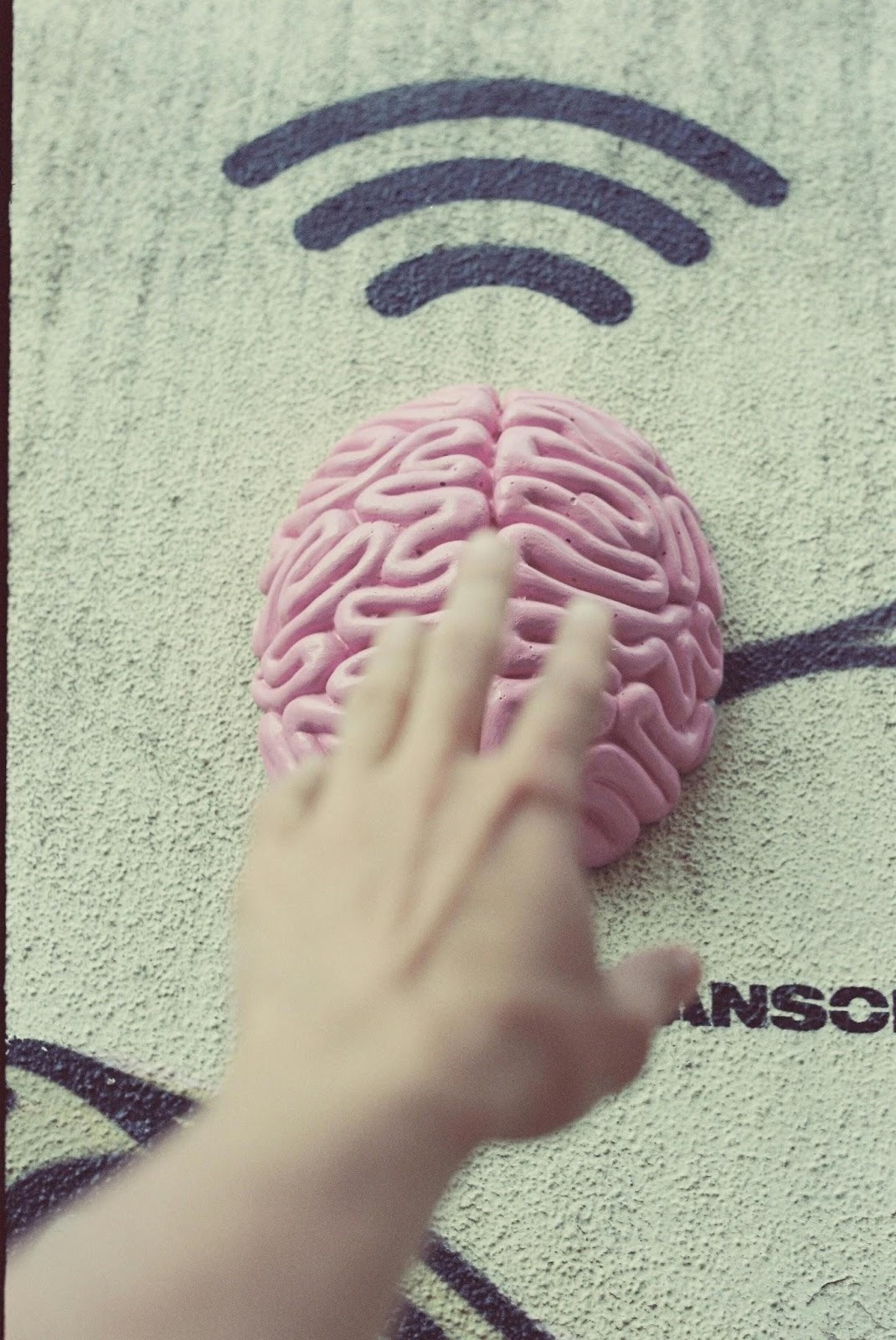
Most of us kind of think about intelligence as if it’s something you’re either born with or you’re not, and for sure genes can play a role in how smart you turn out to be, but they are only a tiny part of the equation, and modern neuroscience tells us that our brains are plastic adaptable and constantly rewrrkiting themselves, which meansm if you want to think smarter you can.
Just like physical fitness, mental fitness improves with the right habits, challenges, and recovery. So it is just a matter of training our brains to think smarter. Here are a few things that will help with that.
Understand How Thinking Really Works
Before you can improve your thinking, it helps to understand what’s happening under the hood. Your brain doesn’t operate as one single “thinking muscle.” It’s a network of systems responsible for attention, memory, emotional regulation, and problem-solving. When you feel mentally foggy or stuck, it’s often because one of these systems is overloaded or underused.
Thinking smarter doesn’t mean thinking harder all the time. In fact, constant mental strain often leads to worse decisions and burnout. Smarter thinking comes from clarity, balance, and the ability to choose the right mental tool for the situation.
Challenge Your Brain (But Not Mindlessly)
One of the best ways to train your brain is to regularly put it in situations where it has to work just a little harder than usual. This is where learning and growth happen.
Activities that require strategy, planning, and pattern recognition are especially powerful. Games are a classic example. Something as simple as playing checkers can help you practice forward-thinking, anticipating consequences, and adjusting strategy based on new information. By doing this, you are not just moving pieces, but training your brain to evaluate options and think several steps ahead.
Other effective challenges include:
- Learning a new language or musical instrument
- Solving logic puzzles or brainteasers
- Taking up a hobby that requires coordination and timing, like dance or martial arts
The key is novelty and progression. Repeating the same easy task won’t do much. You want activities that stretch you just beyond your comfort zone.
Improve Your Focus to Think More Clearly
Smarter thinking starts with better attention. In a world full of notifications, multitasking, and constant noise, focus has become a scarce resource. The brain cannot deeply analyze information when it’s constantly switching tasks.
Training focus doesn’t require hours of meditation on a mountaintop. Small, consistent habits make a big difference:
- Work in short, focused blocks (25-45 minutes)
- Eliminate obvious distractions when doing deep work
- Practice single-tasking instead of multitasking
Even a few minutes a day of mindfulness or focused breathing can improve your ability to notice when your attention drifts, and then gently bring it back. Over time, this strengthens the brain’s attention networks, making complex thinking easier and faster.
Feed Your Brain the Right Inputs
What you consume mentally matters just as much as what you consume physically. Constantly scrolling through shallow or emotionally charged content can train your brain to crave stimulation rather than depth.
To think smarter, balance entertainment with enrichment. Read long-form articles or books that challenge your perspective. Listen to conversations that explore ideas instead of just reacting to headlines. When you encounter information, ask questions:
- Do I agree with this, and why?
- What assumptions are being made?
- What evidence supports this claim?
Critical thinking is a skill, and skills improve with use. The more you actively engage with information, the sharper your thinking becomes.
Strengthen Your Memory Connections
We tend to think of memory as being just about recalling facts, but it’s actually about making connections. Smarter thinkers don’t necessarily know more; they connect ideas more effectively.
You can train this by:
- Explaining what you learn to someone else
- (or even to yourself out loud)
- Writing short summaries of new ideas in your own words
- Linking new information to things you already know
This process, often called “elaboration,” forces your brain to organize and integrate knowledge, making it easier to retrieve and apply later.
Manage Emotions to Improve Decisions
Emotions play a huge role in thinking, whether we like it or not. Stress, anxiety, and frustration can hijack rational thought, leading to impulsive or overly cautious decisions.
Training your brain to think smarter means learning to pause between feeling and reacting. Simple techniques like taking a few slow breaths, going for a short walk, or naming the emotion you’re experiencing can reduce its intensity. Once emotions settle, the thinking part of your brain regains control.
Over the course of time, emotional regulation becomes one of the most powerful cognitive skills you can develop.
Sleep to Upgrade Your Brain
No brain-training strategy works without proper rest. Sleep is when your brain consolidates memories, clears metabolic waste, and strengthens neural connections. Chronic sleep deprivation makes even the smartest people think poorly.
So, if you want better thinking, you should:
- Prioritize consistent sleep times
- Reduce screen exposure before bed
- Treat sleep as a non-negotiable part of mental performance
One good night of sleep can improve focus, creativity, and problem-solving more than hours of forced concentration.
Think Smarter by Thinking Less (Sometimes)
Finally, you should remember that smarter thinking isn’t about constant mental activity. Some of the best ideas emerge when your brain is relaxed, like when you’re in the shower, on a walk, or a quiet moment of reflection.
Downtime allows your brain’s default mode network to make connections in the background. This is where insights, creativity, and “aha” moments often come from.
Train, Don’t Strain
Getting your brain to think smarter is not something that is going to happen overnight, and it is something that you will have to work on for all of your life. When you are doing so, you do not want to go at it too hard and overload yourself, but rather incorporate these ideas slowly and comfortably so that they eventually become second nature. Do that, and you will soon start to see results in the way your brain works.




Leave a Reply