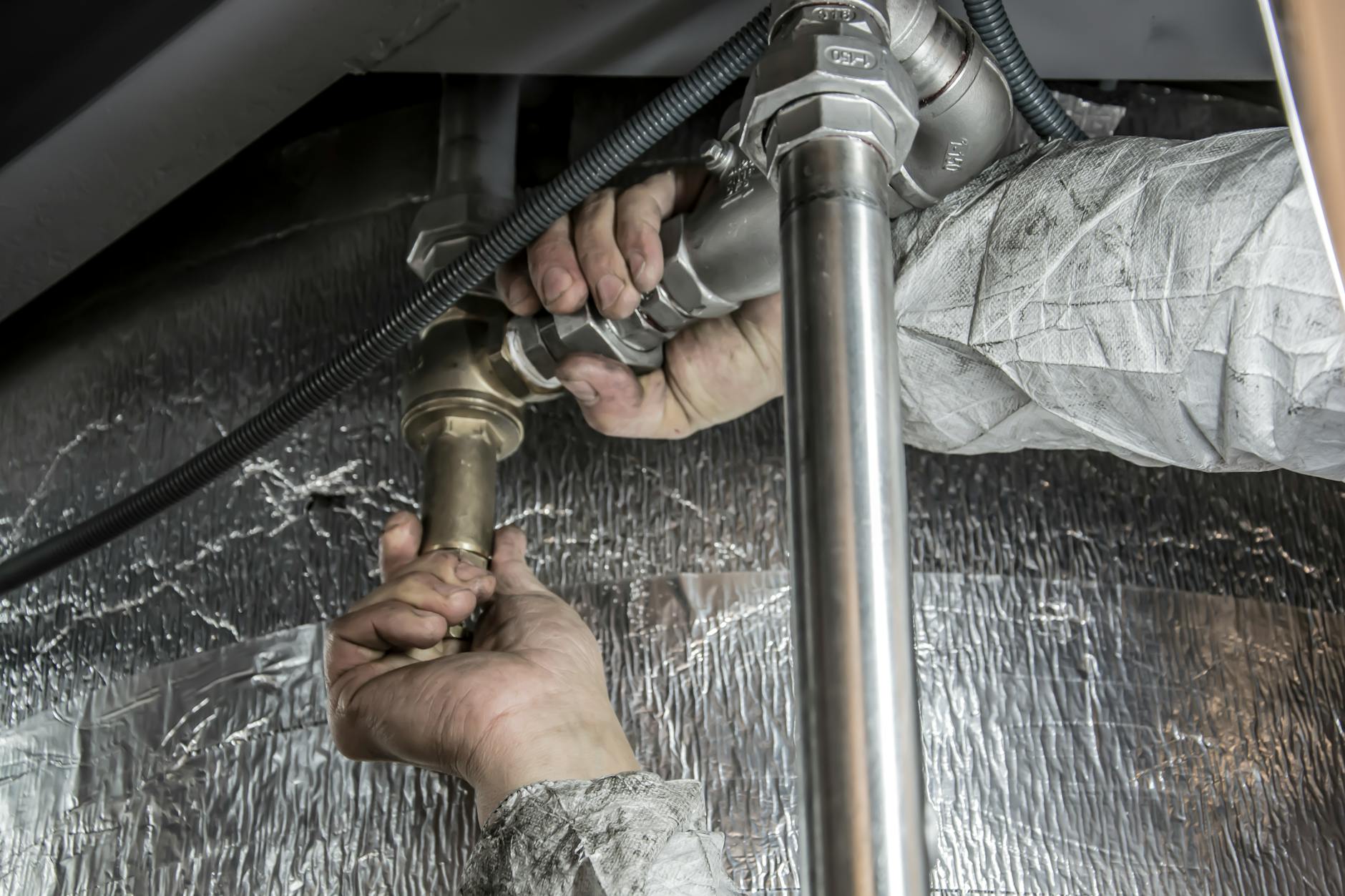
A slow drain rarely feels urgent until water backs up without warning. Small habits inside kitchens, bathrooms, and laundry areas often cause the biggest plumbing headaches. Grease, hair, and everyday debris build quietly over time. Preventive drain care reduces stress and avoids sudden disruptions. This article explains practical habits that help homeowners keep drains flowing smoothly and avoid major clogs before repairs become unavoidable.
Many homeowners rely on a trusted plumbing service company when clogs move beyond simple fixes. Knowing how to care for drains daily makes that call less frequent. These habits support long-term pipe health and protect home plumbing systems from unnecessary strain.
1. Mindful Kitchen Sink Use
Kitchen drains face constant exposure to food waste and oils. Careless disposal creates buildup that narrows pipes over time. Simple awareness keeps drains clear and reduces blockages.
Helpful habits include:
- Disposal of grease in sealed containers rather than sinks
- Scraping plates before rinsing
- Use of sink strainers to catch debris
Warm water helps rinse residue, yet grease still hardens later. Homes benefit from careful kitchen routines that prevent buildup deep within pipes.
2. Bathroom Drain Protection Habits
Bathrooms collect hair, soap residue, and personal care products daily. These materials tangle easily and restrict flow inside pipes. Drain care habits reduce strain and slow buildup.
Hair traps placed over drains catch debris early. Regular cleaning of traps prevents accumulation. Soap scum breaks down slowly without attention. Households that maintain bathroom drains avoid unpleasant backups and improve overall flow reliability throughout the home.
3. Laundry Drain Maintenance Practices
Laundry drains handle lint, fibers, and detergent residue. These materials gather unnoticed inside pipes. Awareness helps reduce long-term damage.
Recommended steps include:
- Cleaning the washer filters routinely
- Avoiding excessive detergent use
- Inspecting drain hoses for residue
Careful laundry habits protect drains from blockages. Pipes stay clear longer when fiber buildup stays under control. This attention prevents slow drainage and overflow risks.
4. Regular Hot Water Flushing
Periodic flushing helps clear residue from drain walls. Hot water loosens soap films and minor buildup. This habit supports a steady flow without chemicals.
Flushing works best when paired with mindful usage. Hot water alone cannot fix heavy blockages. Households benefit from this simple routine as part of broader care. When combined with other habits, pipes remain cleaner, and drainage stays consistent.
5. Outdoor Drain Awareness Around the Home
Outdoor drains often receive less attention, yet they play an important role in preventing clogs. Leaves, dirt, and yard debris enter drains during storms and routine yard work. This buildup slows flow and can push problems indoors. Regular visual checks help identify early blockages. Clearing visible debris keeps water moving away from foundations. Homeowners who stay aware of outdoor drainage reduce pressure on indoor pipes and protect their plumbing system from unnecessary strain.
6. Knowing When Professional Help Makes Sense
Some clogs require professional tools and experience. Repeated backups or foul odors often signal deeper issues. Prompt support prevents further damage.
Situations that call for expert care include:
- Recurring clogs that return quickly
- Water is backing up in multiple drains.
- Signs of pipe damage or root intrusion
Many homeowners contact a plumbing service company when preventive habits no longer resolve issues. Timely help protects pipes and prevents costly repairs.
Small drain care habits make a meaningful difference over time. Mindful kitchen use, bathroom protection, laundry attention, and routine flushing all reduce buildup. Recognizing when professional support becomes necessary adds an extra layer of protection. Together, these habits help homeowners avoid major clogs and unexpected plumbing disruptions. Consistent care keeps drainage systems reliable and supports a smoother daily routine without stress.




Leave a Reply