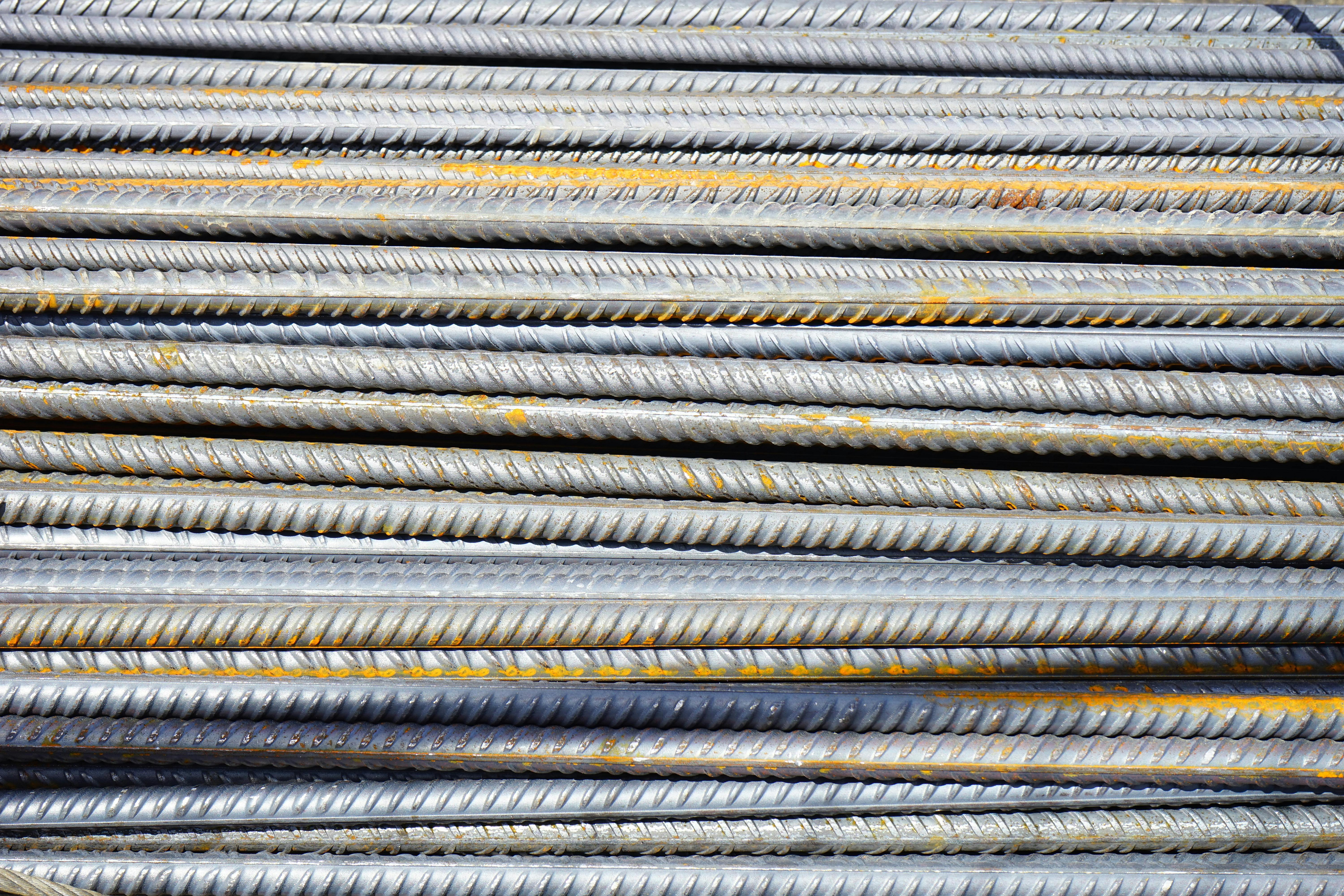
Environmentally conscious and eco-friendly building now understands the importance of optimal use of resources. Sustainable steel has grown as a material solution that supports green building and environmental steel construction with no less strength and durability. It enables builders to develop structures that are resource-efficient and durable, per se.
The Importance of Responsible Construction
Developers and builders today, like Nucor Skyline Sustainable Steel, use materials that cut down energy and waste. Sustainable steel is an option where these goals can be addressed, keeping structural elements sustainable and stout, safe.
What Makes Steel Sustainable?
Steel is produced by manufacturers through techniques that can minimize energy use and emissions. They can also use reclaimed resources, which will minimize the need for new basic materials. We can effectively reduce the environmental impact across the lifespan of steel and also conserve natural habitats through this process.
Recycling and Reusability Benefits
Steel is one of the most recycled materials (more than 70% of products have a high average of recycled content). Using less energy than the production of new steel from raw ore, this material allows for the disassembly of structures, whereby components can be reused or again recycled for future projects.
Energy Efficiency in Manufacturing
With state-of-the-art steel-making technologies, the modern steel industry consumes fewer and fewer resources and generates fewer and fewer emissions. Electric arc furnaces, which consume less energy than traditional methods, melt recycled steel. These advancements contribute to resource preservation and the reduction of construction carbon footprint.
Strength and Longevity
Sustainable steel has exceptional strength, enabling builders to use less of it while maintaining the same level of support. Because it is so durable, buildings last longer and need less maintenance or replacement. Longer-lived buildings reduce the need for new materials while also reducing waste.
Design Flexibility and Reduced Waste
Due to its inherent ductility, steel has enabled architects to produce lightweight structures, using the least material possible. This accuracy helps not only to minimize wastage but also to accelerate the timelines of construction.
Improved Indoor Air Quality
Steel also does not release any volatile compounds and will not draw in moisture, creating a better indoor air quality. This material minimizes the risk of mold growth and other air quality problems. Health benefits to people in their buildings further the health of the whole community.
Supporting Green Building Standards
Several certification programs take the benefits of sustainable steel into account. With this material, projects can earn third-party green DR building points. Such programs promote more resource-efficient and environmentally sustainable construction alternatives.
Economic Advantages for Builders
Selecting sustainable steel can be beneficial in terms of cost savings over the life span of a project. These economic incentives widen the margin for developers and builders to make responsible decisions.
Community and Environmental Benefits
Responsible construction with sustainable steel helps communities by creating less pollution and minimizing the depletion of resources. Less energy use and lower emissions are good for both local and global environments. Such benefits lead to healthy communities and ultimately, sustainable development.
Driving Innovation in Construction
One of the main goals for construction professionals is to look at efficiency and waste. And these innovations raise the bar for the entire industry, inspiring responsible building practices globally.
Conclusion
The role of sustainable steel is critical to responsible construction. These qualities contribute long-term value to builders, communities, and the environment through their beyond-usefulness recyclability, energy efficiency, and durability. A strong selection of materials that balances performance with conservation is the only way for the construction industry to continue building for future generations responsibly.




Leave a Reply