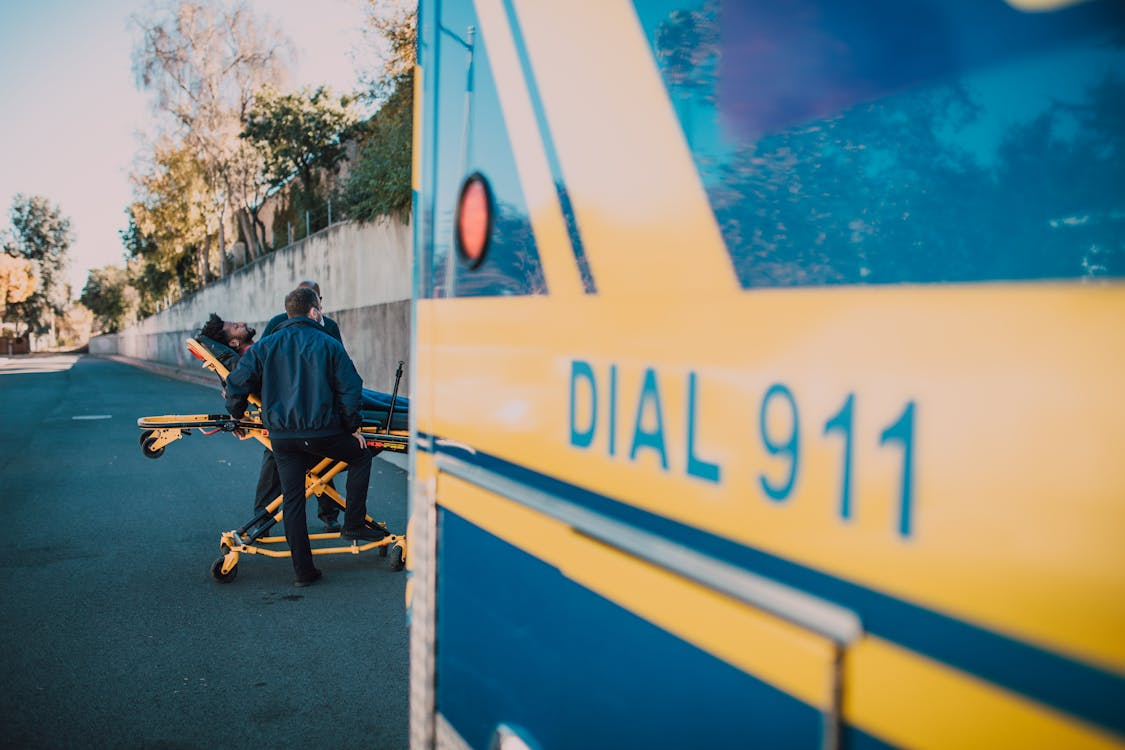
When an emergency unfolds, everything moves fast. Police officers rush toward danger, firefighters navigate unpredictable conditions, and paramedics make split-second decisions that can save lives. In these moments, communication is not a background tool. It is the backbone that keeps every moving part connected. A missed message, a dropped signal, or unclear information can slow response times and put both responders and civilians at risk.
First responders operate in environments that are loud, chaotic, and constantly changing. They often work in areas where public networks are overloaded or damaged, especially during large-scale incidents like natural disasters or major accidents. That is why reliable communication networks are essential. These systems allow teams to share updates, request backup, coordinate across agencies, and stay aware of what is happening around them in real time.
Over the years, communication technology for emergency services has evolved far beyond basic radios. Today’s networks support voice, data, video, and location tracking, all working together to create a clearer picture of an incident as it unfolds. To understand how this works in practice, it helps to look at the infrastructure behind these systems and the organizations that design them specifically for public safety needs.
What Makes Communication Networks Different for First Responders
Unlike everyday phone or internet services, emergency communication networks are built for reliability first. They are designed to work during power outages, extreme weather, and high network demand. These systems prioritize clarity, coverage, and uptime because there is no room for failure when lives are involved.
How RFE Communications Supports Mission-Critical Connectivity
This is where specialized providers like RFE Communications play an important role, focusing on designing, building, and maintaining communication infrastructure that supports public safety agencies with dependable radio systems, towers, fiber networks, and in-building coverage designed specifically for emergency response environments. Their work reflects the broader goal of ensuring first responders can communicate clearly and consistently, whether they are in dense urban areas, remote locations, or inside complex structures.
Communication networks like these are not built for convenience. They are built for trust. Every component, from antennas to control rooms, is planned with real-world emergency conditions in mind. This kind of planning helps responders stay connected when public networks struggle or fail. Supporting these efforts can extend beyond preparedness—wildfire relief donations help communities recover faster when disasters strike.
Faster Response Times Through Better Connectivity
Reliable communication networks help reduce response times in ways that are not always visible to the public. Dispatch centers can send accurate information instantly, allowing responders to prepare before arriving on scene. GPS-enabled systems help teams choose the fastest routes and avoid hazards along the way.
Once responders arrive, constant communication allows supervisors to adjust plans as conditions change. If a situation escalates, additional resources can be deployed without delay. This speed and flexibility make a real difference during medical emergencies, fires, and active incidents.
Real-Time Information Sharing in the Field
Modern communication networks do more than transmit voices. They support real-time data sharing that helps responders make informed decisions. Maps, building layouts, and live video feeds can be sent directly to units in the field. Medical teams can receive patient information before transport even begins.
This flow of information reduces guesswork. Responders know what they are walking into and can adjust their approach to stay safe and effective. Clear data sharing also improves coordination between teams working in different locations during the same incident.
Staying Operational During Disasters and Failures
Emergencies rarely happen under ideal conditions. In many cases, they create the very problems that make communication difficult. Severe storms knock out electricity, earthquakes damage underground lines, and large-scale incidents overwhelm public networks as everyone tries to connect at once. For first responders, losing communication in these moments is not just inconvenient. It can bring operations to a halt.
That’s why emergency communication networks are built with failure in mind. Backup power systems, such as generators and battery reserves, keep equipment running even when the electrical grid goes down. These systems can operate for extended periods, allowing responders to stay connected through long outages rather than scrambling to restore basic communication. This reliability is critical during disasters that last hours or days, not just minutes.
Hardened equipment also plays a major role. Communication towers, radios, and network components are designed to withstand extreme weather, vibrations, heat, and physical impact. Unlike consumer-grade infrastructure, these systems are tested for harsh environments because they are expected to perform in the worst possible conditions. This durability reduces the risk of sudden failures when responders are already under pressure.
Redundancy adds another layer of protection. If one connection fails, another can take over without interrupting service. Multiple pathways for data and voice traffic ensure there is no single point of failure. Even if part of the network is damaged, communication can continue through alternate routes.
All of this resilience allows emergency services to stay active when communities need them most. Whether responding to floods, wildfires, earthquakes, or widespread power outages, first responders can continue coordinating, sharing information, and protecting lives, even when the rest of the infrastructure around them is struggling or completely offline.
Supporting Coordination Across Multiple Agencies
Many emergencies require cooperation between police, fire departments, medical services, and sometimes state or federal agencies. Communication networks make this coordination possible by allowing different teams to share information on a common platform.
When everyone can hear the same updates and follow the same plan, confusion is reduced. Clear communication helps leaders manage resources, assign responsibilities, and maintain control during complex situations. This unified approach leads to better outcomes for both responders and the communities they serve.
Improving Safety for First Responders
Safety is a constant concern for first responders, and communication plays a major role in protecting them. Location tracking allows command centers to monitor where teams are positioned and respond quickly if someone is in trouble. Emergency alerts and distress signals provide a direct line for requesting immediate help.
When responders know they can rely on their communication systems, they can focus on their work with greater confidence. This support reduces risk and helps ensure that everyone goes home safely at the end of a shift.
Communication networks are not optional tools for first responders. They are lifelines that support every action taken in the field. From faster response times to better coordination and improved safety, these systems quietly power the work that protects communities every day.
As emergencies become more complex, the need for reliable, purpose-built communication infrastructure will only grow. Investing in strong networks means investing in the people who run toward danger when others cannot.




Leave a Reply