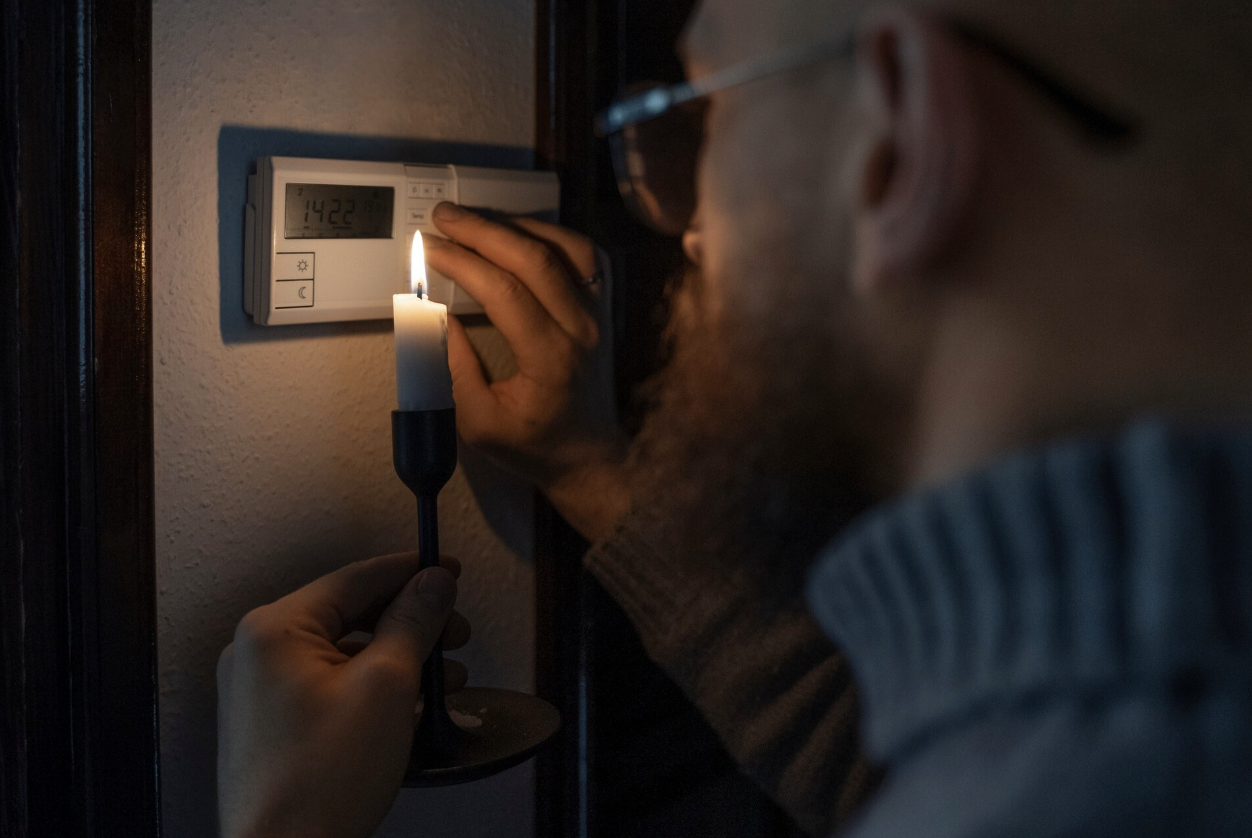
Your home’s electrical system works quietly behind your walls. You flip switches and plug in devices without thinking twice.
But electrical problems don’t always announce themselves clearly. Sometimes they hide. They give small warning signs that are easy to miss.
These small signs can lead to big dangers. House fires. Electric shocks. Damaged appliances.
Knowing what to look for keeps your family safe. Whether you need help from the best electrcian wellington co or you’re just learning to spot problems, understanding electrical warning signs is important.
Let me show you the clear signs that something is wrong with your electrical system.
Your Lights Flicker or Dim
What Normal Looks Like
Lights should stay steady and bright when you turn them on. They shouldn’t change brightness on their own.
Warning Signs to Watch For
Lights that flicker like candles mean something is wrong. Lights that dim when you turn on other appliances signal problems, too.
One light flickering might just be a bad bulb. Replace the bulb first. If the new bulb flickers too, you have an electrical issue. Multiple lights flickering at once means a bigger problem. This could be loose wiring or an overloaded circuit.
Why This Happens
Loose wire connections cause flickering. The electricity flow gets interrupted.
Old wiring can’t handle modern electrical demands. Your system struggles to power everything. Bad connections in your electrical panel create dimming lights. The panel is the heart of your electrical system.
What You Should Do
One flickering light with a new bulb needs an electrician to check the fixture. Multiple flickering lights need immediate professional attention. Don’t wait on this problem.
Outlets Feel Warm or Hot
How to Check Your Outlets
Touch your outlets gently. They should feel room temperature or slightly warm. Hot outlets are dangerous. Very warm outlets signal problems.
What Heat Means
Heat means electricity is meeting resistance somewhere. This resistance creates heat. Loose connections cause resistance. So do damaged wires and overloaded circuits. Heat damages the outlet over time. It can melt plastic. It can start fires in your walls.
Outlets That Spark
Small sparks when you plug things in can be normal. Static electricity creates tiny sparks sometimes. Big sparks are not normal. Neither are sparks every time you use an outlet.
Black marks around outlets show past sparking or heat damage. This is a serious warning sign.
Immediate Actions
Stop using hot outlets right away. Unplug everything from them. Turn off the circuit breaker for that outlet if you know which one it is. Call an electrician the same day. Hot outlets are fire hazards.
Circuit Breakers Trip Frequently
What Circuit Breakers Do
Circuit breakers protect your home. They shut off power when circuits get overloaded. Tripping occasionally is normal. It means the breaker is doing its job.
When Tripping Becomes a Problem
Breakers that trip weekly or monthly signal issues. Breakers that trip when you use certain appliances show problems. If you reset a breaker and it trips immediately, something is seriously wrong.
Common Causes
Too many devices on one circuit overload it. Hair dryers, space heaters, and microwaves use lots of power. Short circuits cause instant tripping. This happens when hot wires touch neutral wires or ground wires.
Old breakers wear out. They become sensitive and trip too easily. Damaged appliances can trip breakers. A failing appliance draws too much power.
What to Try First
Unplug devices from the tripping circuit. Try using fewer things at once.
If this fixes the problem, you were overloading the circuit. You might need additional circuits installed. If breakers still trip with nothing plugged in, call an electrician. This indicates serious wiring problems.
You Smell Burning or See Smoke
The Most Dangerous Sign
Burning smells and smoke are emergencies. They mean fire is possible or already starting.
What Burning Smells Like
Electrical fires smell like burning plastic. Some people describe it as a fishy smell.
The smell might come from outlets, switches, or your electrical panel. Sometimes you can’t tell where it’s coming from.
What to Do Immediately
Turn off the power at the main breaker if you smell burning and know where it’s coming from.
If you see smoke, get everyone out of the house. Call 911 first. Then call an electrician.
Don’t try to find the source yourself. Electrical fires are extremely dangerous.
After the Emergency
Even if the smell goes away, you still have a problem. Something got hot enough to melt or burn. Have an electrician inspect your entire system. They’ll find what caused the smell.
Your Outlets Don’t Hold Plugs
The Loose Outlet Problem
Plugs should fit snugly in outlets. You should feel resistance when plugging things in. Loose outlets let plugs fall out. This seems like a minor annoyance. It’s actually dangerous.
Why This Matters
Loose connections create arcing. Arcing is electricity jumping across gaps.
Arcing creates heat. Heat creates fire risk. Loose outlets also damage your device plugs. The metal gets bent and worn.
Signs of Wear
Outlets get loose from years of use. The metal contacts inside wear down.
Old outlets are more likely to be loose. If your home is over 20 years old, outlets might need replacing.
The Solution
Replace loose outlets. This is a simple fix that prevents bigger problems.
An electrician can replace multiple outlets in one visit. This is cheaper than dealing with fire damage later.
You See Discolored Outlets or Switches
What to Look For
Check your outlets and switch plates. Look for brown or black marks.
Discoloration means heat damage. Heat left visible evidence.
What Causes Discoloration
Loose wires create resistance. Resistance creates heat. Heat burns and discolors plastic.
Overloaded circuits cause outlets to heat up. This leaves marks over time.
Short circuits create sparks that burn outlet covers.
Why You Can’t Ignore This
Discolored outlets show that dangerous heat occurred. The problem that caused the heat still exists.
Just because the outlet still works doesn’t mean it’s safe. The damage is already done.
Getting It Fixed
Replace discolored outlets and switches immediately. The damage means they’re unsafe.
Have an electrician check the wiring behind the outlet. The wires might be damaged too.
Your Home Has Old Wiring
How to Tell Your Wiring Is Old
Most homes built before 1970 have outdated wiring. Common old wiring types include knob-and-tube and aluminum wiring.
You might see two-prong outlets instead of three-prong. This indicates no ground wire exists.
Fuse boxes instead of circuit breaker panels show very old electrical systems.
Why Old Wiring Is Dangerous
Old wiring wasn’t designed for modern electrical use. We use way more electricity now than people did 50 years ago.
Insulation on old wires breaks down. Exposed wires create shock and fire risks.
Old systems lack safety features like ground wires and GFCI protection.
Signs Your Wiring Needs Updating
You can’t plug in three-prong devices safely. Adapters are temporary fixes, not solutions.
You blow fuses or trip breakers constantly. Your system can’t handle your electrical needs.
Your insurance company charges more because of old wiring. Some companies won’t insure homes with certain old wiring types.
The Update Process
Rewiring a home is expensive but necessary. It protects your family and your property.
Many homeowners update wiring room by room over time. This spreads out the cost.
Updated wiring increases your home’s value. It makes selling easier when that time comes.
You Get Shocked When Touching Appliances
Static vs. Real Shocks
Static electricity creates small shocks. These are annoying but harmless.
Real electrical shocks feel stronger. They make your muscles twitch. They hurt.
What Shocks Mean
Shocks from appliances mean electricity is leaking. Current is flowing where it shouldn’t.
This happens when ground wires are missing or broken. It happens when appliances are faulty.
Metal appliances conduct electricity. Touching them completes a circuit through your body.
Immediate Safety Steps
Unplug any appliance that shocks you. Don’t use it again.
If outlets shock you, stop using them. Turn off their circuit breakers.
Test outlets with a circuit tester. These cost $5 at hardware stores. They show wiring problems.
Professional Help Needed
Repeated shocks need electrician’s attention. This isn’t something to live with.
Electricians test for grounding problems. They fix faulty wiring and replace dangerous outlets.
Your Electrical Panel Shows Warning Signs
What’s Normal for Panels
Electrical panels should be cool to the touch. They shouldn’t make sounds. They shouldn’t show rust or damage.
Red Flags at Your Panel
Warm or hot panels indicate serious overload issues. This is dangerous.
Buzzing or humming sounds mean loose connections or failing breakers.
Rust shows moisture problems. Water and electricity don’t mix.
Burn marks on the panel indicate past electrical problems. These need immediate investigation.
Breaker Problems
Breakers that won’t stay reset are failing. They need replacement.
Breakers that feel loose or wobbly aren’t making good connections.
If you smell burning near the panel, turn off the main breaker and call an electrician immediately.
Panel Upgrades
Homes with 60-amp or 100-amp service often need upgrades. Modern homes need 200-amp service.
If your panel has fuses instead of breakers, updating is essential for safety.
Federal Pacific and Zinsco panels are known to be dangerous. These should be replaced even if they seem to work fine.
What to Do If You Find Problems
Don’t Panic, But Don’t Wait
Electrical problems are serious. But you have time to get professional help in most cases.
Unless you smell burning or see smoke, you don’t need to evacuate. You do need to act quickly.
Stop Using Problem Areas
Turn off circuits with issues. Unplug devices from bad outlets.
Don’t try to fix electrical problems yourself unless you’re trained. Electricity kills. It’s not worth the risk.
Find a Licensed Electrician
Licensed electricians have training and insurance. They know current electrical codes.
Get estimates from at least two electricians. Compare their recommendations.
Ask about warranties on work. Good electricians stand behind their repairs.
Prevention Saves Money
Regular electrical inspections catch problems early. Small fixes cost less than big repairs.
Homes over 25 years old should have inspections every 5 years. Newer homes can wait 10 years between inspections.
When buying a home, always include electrical inspection. Fixing problems before buying is easier than after.
Keeping Your Family Safe
Electrical safety isn’t complicated. It just requires attention.
Walk through your home once a month. Check outlets, switches, and lights for the warning signs I described.
Test your smoke detectors monthly. Change batteries yearly. Electrical fires happen fast. Early warning saves lives.
Teach your family basic electrical safety. Show them what hot outlets feel like. Explain why flickering lights matter.
Keep fire extinguishers accessible. Know how to use them. Type C extinguishers work on electrical fires.
Your home’s electrical system works hard every day. Taking care of it protects your biggest investment and the people you love.
Don’t ignore warning signs. Small problems become big emergencies when ignored.
Stay safe. Stay aware. Get help when you need it.


Leave a Reply