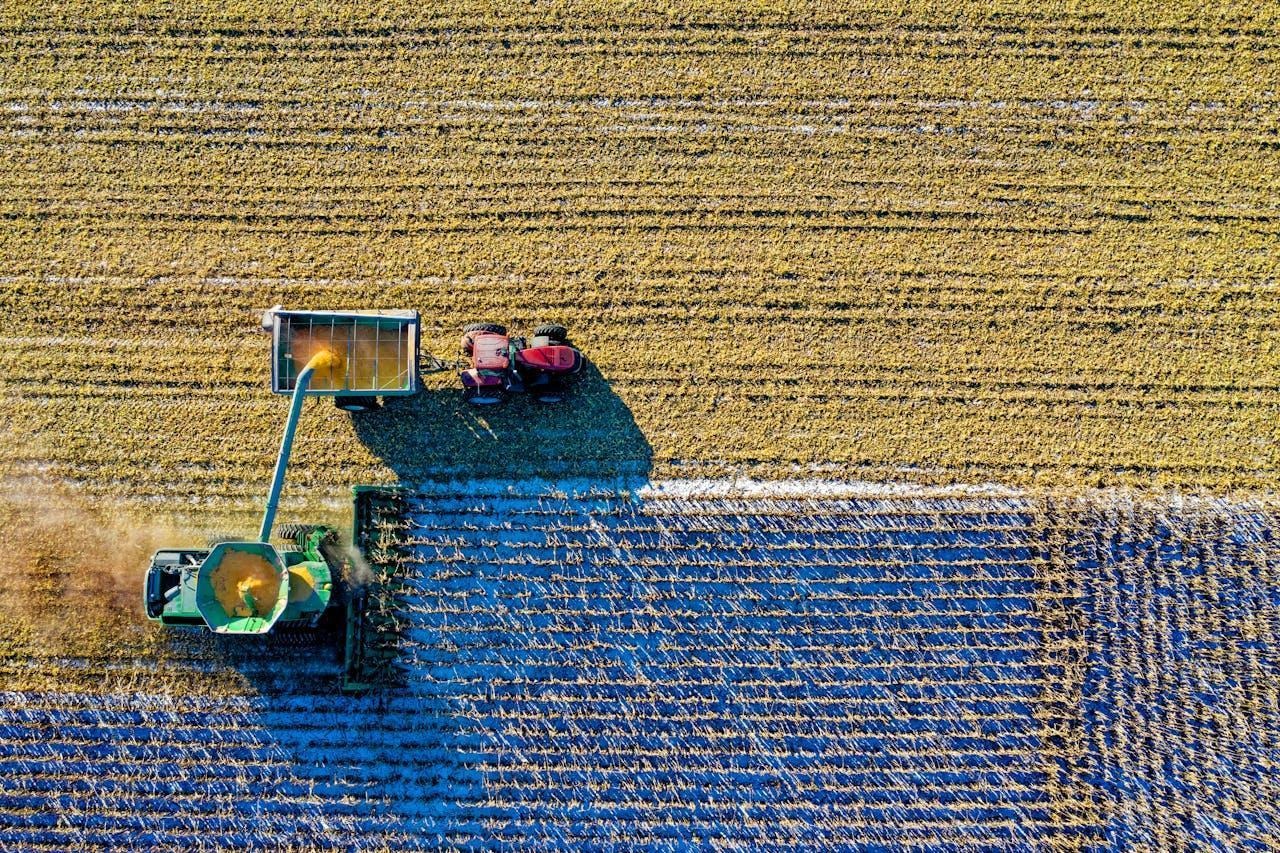
Have you ever wondered why some farms seem calm and productive while others feel rushed and chaotic? Farming has always required hard work, but today it demands smarter planning. Rising labor costs and unpredictable weather have changed the game. Technology moves quickly. Supply chains shift without warning. Farmers now juggle crops, compliance, and worker well-being at once. Efficiency is no longer about speed alone. It is about structure, support, and thoughtful coordination. In this blog, we will share practical farm management strategies that improve worker efficiency, protect morale, and strengthen long term productivity.
Start With Clear Daily Systems
Every productive farm begins with clarity. Workers need to know what to do and when to do it. A simple morning briefing can prevent hours of confusion later. Clear assignments reduce repeated questions. Written schedules keep everyone aligned.
Think of a farm like a kitchen during dinner rush. If chefs do not know their stations, service collapses. Fields work the same way. When teams understand planting goals or harvest targets, effort becomes focused. Focus saves time.
Digital tools now help track tasks and weather updates. Even small farms use apps for scheduling. These tools reduce guesswork. They also help managers adjust quickly when rain shifts plans.
Clarity builds confidence and workers perform better when expectations are defined. Productivity grows when energy stays directed.
Invest in Worker Comfort and Basic Infrastructure
Efficiency depends on human energy. Workers who feel supported move with purpose. Those who feel overlooked lose momentum.
Shade structures in hot climates matter. In addition, access to water, reliable transportation across large properties and even restroom access matters and affects productivity. Installing porta-potties for agricultural needs promotes clean working conditions and reduces downtime by keeping essential facilities close to active field areas. When workers do not waste time walking long distances for basic facilities, output improves naturally.
Modern agricultural discussions now include worker wellness. Public conversations about labor conditions have increased. Consumers care about ethical practices. Farms that prioritize comfort strengthen both reputation and morale.
Train With Purpose
Training is not just orientation day. It is an ongoing process. Farms that invest in regular training sessions build stronger teams. Workers learn faster techniques. They also learn safety protocols.
Agricultural equipment grows more advanced each year. Modern tractors use GPS systems. Harvest tools require precise handling. Training reduces breakdowns. It also prevents injuries. Safety culture plays a major role. News reports often highlight farm accidents. Here, we have to remember that prevention saves lives and money. Workers who feel safe focus better. Confidence supports steady output.
Use Data Without Overcomplicating It
Technology offers powerful insights. Yield data, soil reports, and weather tracking guide smarter decisions. Yet data only helps when it is understandable.
Managers should focus on key numbers. Monitor output per acre. Track labor hours by task. Identify bottlenecks quickly. Simple dashboards prevent overwhelm. Precision agriculture, including drone spraying taranaki, has become more common nationwide. Drones monitor crop health. Sensors measure moisture levels. These tools improve timing. Timing improves efficiency.
Still, technology should support workers, not replace them. Data guides decisions. People execute them. Balanced integration produces results.
Plan for Seasonal Workforce Surges
Harvest season brings urgency. Crews expand quickly. Coordination becomes more complex. Without preparation, productivity drops.
Preseason planning reduces chaos. Assign leaders within teams. Confirm equipment readiness early. Review task flow before fields fill with workers. Seasonal labor discussions have increased across the country. Immigration policies affect workforce stability. Farms must plan carefully. Retention efforts during peak months matter.
Clear onboarding processes help temporary workers adapt quickly. Efficiency improves when training happens before pressure peaks.
Optimize Equipment and Maintenance
Broken tools slow momentum. Preventive maintenance saves time. Regular inspections reduce unexpected downtime.
Schedule maintenance during slower periods. Track service history. Replace worn parts before failure. These habits prevent larger disruptions. Fuel efficiency also matters and rising energy costs affect operations nationwide. Efficient equipment lowers expenses. Lower expenses protect margins.
Foster a Culture of Respect and Recognition
Efficiency thrives where respect exists. Workers who feel valued contribute more fully. Recognition does not require grand gestures. A simple thank you goes far.
Celebrate milestones during harvest completion. A shared meal strengthens morale. Small traditions create belonging. Younger generations entering agriculture expect transparency; they seek purpose. Farms that communicate mission and values attract committed workers.
Retention builds experience. Experienced workers perform tasks faster. Speed with accuracy improves results.
Balance Productivity With Sustainability
Modern farming faces growing climate challenges as heat waves become more frequent and rain patterns shift unpredictably, making sustainability strategies directly tied to efficiency. Water conservation systems reduce waste, while crop rotation strengthens soil health and supports more stable yields. Workers benefit from sustainable planning because fewer emergency adjustments mean less stress and more predictable routines.
At the same time, consumers increasingly support farms that adopt responsible practices, showing that efficiency and stewardship can move forward together.
Prepare for the Unexpected
Weather can shift quickly, equipment can break down without warning, and market prices often fluctuate, which is why efficient farms prepare in advance for disruption rather than reacting in the moment.
Emergency kits and backup plans prevent panic. Cross training workers builds flexibility. Flexible teams adapt smoothly. Risk management discussions now dominate agricultural conferences. Farms cannot control every factor. They can control preparation.
Prepared farms recover faster. Recovery speed determines seasonal success.
Build Momentum Through Small Improvements
Improvement does not require massive overhaul. Small adjustments create impact. Adjust row spacing for smoother movement. Improve signage across large fields. Update break areas gradually.
Efficiency grows from consistency. Managers who review processes monthly identify simple changes. Simple changes compound over time.
Ask workers for suggestions regularly. Practical ideas often come from daily experience. Empowered teams innovate naturally.
Farming remains one of the most demanding industries. Yet it also offers unmatched opportunity for innovation. Worker efficiency depends on thoughtful planning, steady communication, and respectful leadership.
So consider this. What small adjustment could improve tomorrow’s workflow? Could a clearer schedule reduce confusion? Could improved facilities increase comfort? Could stronger communication prevent mistakes?
Farm management is not about pushing harder. It is about building systems that allow people to perform at their best. When workers feel supported and organized, productivity follows naturally. Efficiency then becomes less about urgency and more about alignment.




Leave a Reply