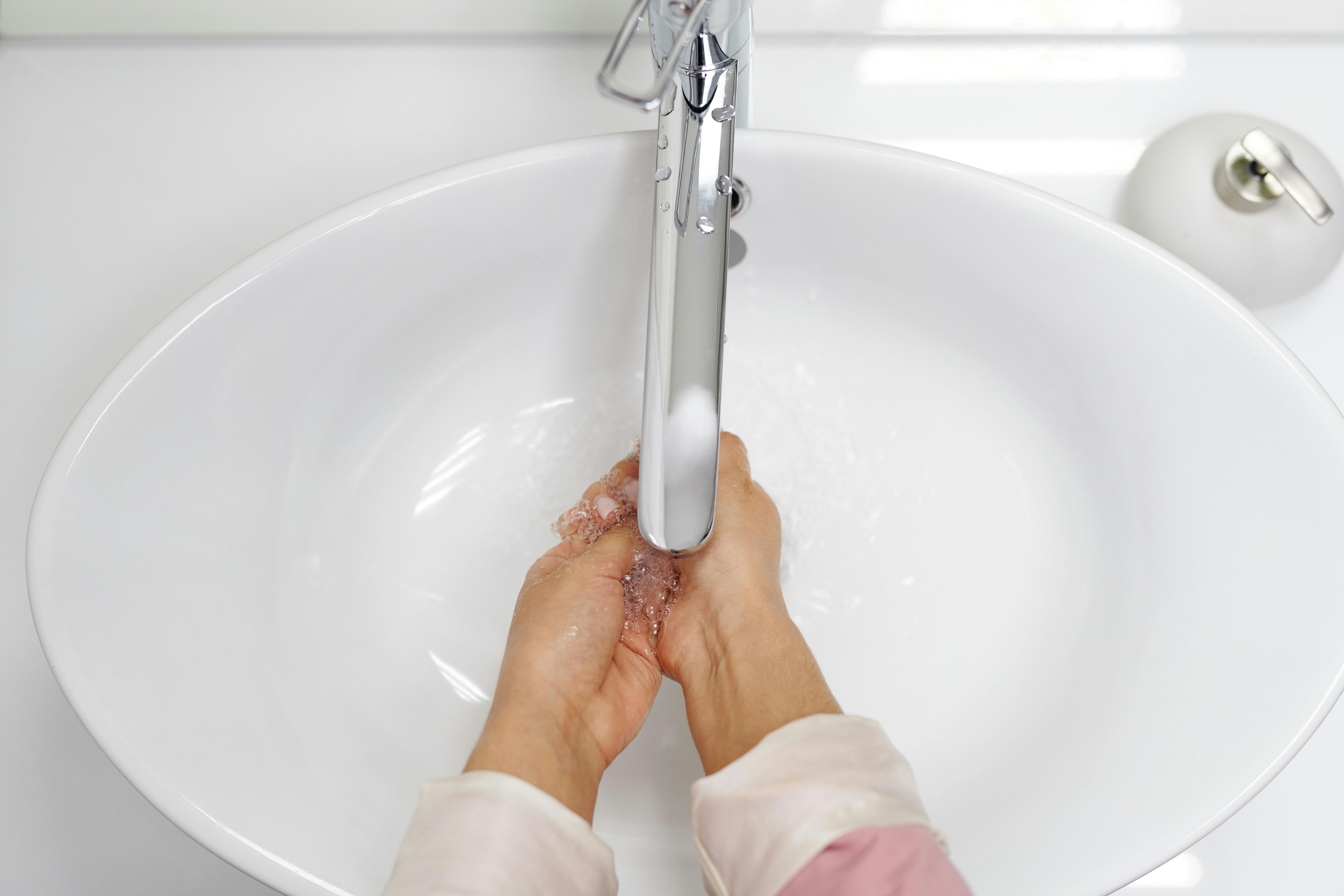
Standing outside a bathroom door, pleading with a child to wash, is a special kind of exhaustion. It creates a nightly friction that leaves everyone feeling drained. Whether you are raising your own children or caring for foster children, the battle over showers and toothbrushes is universal. However, shouting louder rarely works. To change the outcome, you have to change the approach, shifting from enforcement to encouragement.
Dig for the Root Cause
Resistance usually has a reason. It is rarely just laziness. For many young people, sensory issues turn hygiene into a nightmare. The roar of a shower, the texture of toothpaste, or the feeling of cutting nails can be physically painful.
For foster children, the stakes are often higher. If a child has experienced neglect, a daily routine might be a foreign concept they simply haven’t learned yet. Trauma can also make the bathroom feel unsafe. Nudity equals vulnerability. If a foster child refuses to shower, they might be terrified rather than difficult. Try offering alternatives, like washing in swimwear or ensuring there is a sturdy lock on the door. Safety has to be established before soap can be introduced.
Autonomy is Key
Nobody likes being managed. When you dictate every step of the process, kids often push back just to prove they have a say. Handing over the reins can diffuse the tension. Take them to the shop and let them choose their own supplies. You can use some of your foster care allowance for this if you are a foster carer.
If they want the neon green shower gel that smells like bubble gum, let them have it. If they want a specific texture of flannel, buy that one. By allowing them to curate their own bathroom kit, you give them ownership. It becomes their routine, involving their stuff, rather than a chore imposed by an adult.
Stop Talking, Start Showing
Your voice might be the trigger. After the third reminder to brush their teeth, your words likely sound like white noise or an attack. This is especially true for teenagers or children with attachment difficulties who are sensitive to criticism.
Switch to non-verbal cues. A laminated checklist on the bathroom mirror works wonders. It lists the tasks like face, teeth, deodorant, without emotion. The authority comes from the list, not from you. This allows the child to check off their tasks independently, saving their pride and saving your breath.
Reframe it as Self-Care
Telling a child they smell bad is a quick way to crush their self-esteem. Shame is not a good teacher. Instead, try to frame hygiene as a way of looking after themselves. Discuss how a warm shower can help them relax after school, or how brushing teeth prevents pain later on.
For foster carers, this is a chance to teach self-worth. You are showing the child that their body is valuable and deserves to be cared for. Keep the feedback private and factual. If there is an issue, handle it discreetly, perhaps by leaving fresh clothes on their bed, rather than making a public announcement.
This process takes time. There will be days when they skip a wash or forget deodorant. Try not to turn every slip-up into a confrontation. The relationship you build is more important than a missed shower. By creating a safe environment and giving them control, you help them build habits that will last. Keep it low-pressure, and eventually, the resistance will fade.




Leave a Reply