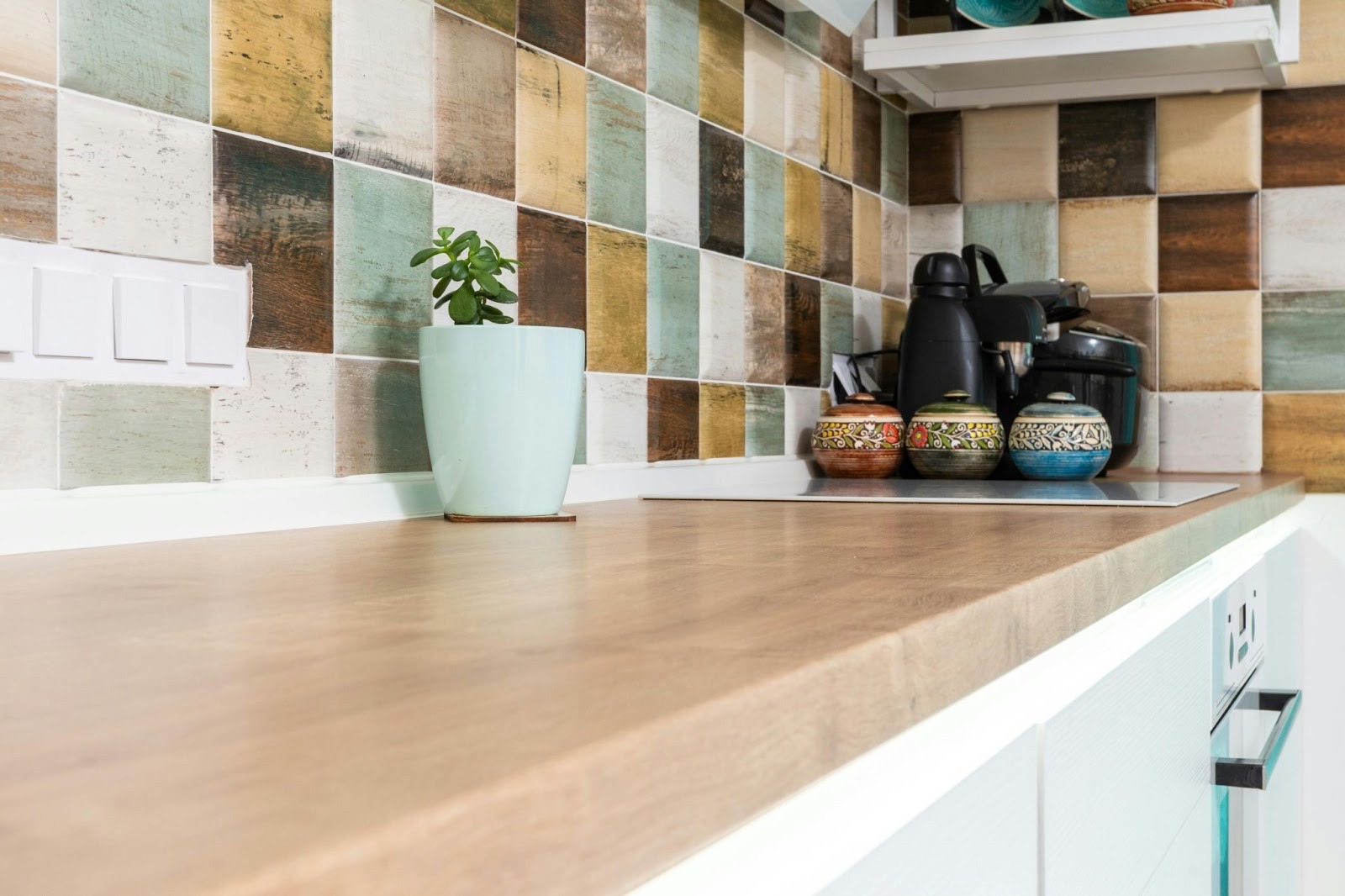
Something’s shifting in kitchen design this year. You’re seeing it everywhere—cleaner walls, fewer grout lines, that expensive slab-like vibe without the heart-stopping price tag. Larger tile formats are changing the backsplash game completely, and 4×12 subway tile backsplash and 6×12 subway tile backsplash options are becoming the favorites for anyone chasing modern sophistication without ditching the classic subway silhouette. We’re walking you through size selection, finishes, layouts, and grout tactics that’ll help you nail an oversized subway tile backsplash perfectly aligned with kitchen backsplash tile trends 2026.
4×12 Subway Tile Backsplash: The Flexible Modern Standard Pros Actually Specify
The 4×12 subway tile backsplash has become the reliable middle ground for professionals. It hits that sweet spot—3×6 feels dated and cramped, while 6×12 can feel too aggressive for certain spaces.
Perfect for standard backsplash runs, active counters, or kitchens needing gentle elongation without visual overwhelm, a subway tile backsplash kitchen is a timeless choice that balances style and practicality.
Where 4×12 Really Shines
Think kitchens with typical 18-inch backsplash heights and moderate counter activity. It delivers visual movement without fighting your veined quartz or natural stone. Got a classic galley or L-shape? 4×12 brings contemporary energy without demanding spatial gymnastics.
Layouts That Push 4×12 Past Standard Subway
Half-offset gets upgraded with skinny grout joints and matte surfaces. One-third offset creates a more refined rhythm, less predictable. The vertical stack emphasizes ceiling height beautifully. Herringbone behind the range? That’s your feature moment without taking over the whole kitchen.
Pairing 4×12 With Your Cabinets, Counters, and Hardware
White oak or walnut cabinetry loves warm white 4×12. Painted cabinets in sage, navy, or charcoal get gorgeous light play from glossy 4×12 finishes. Keep grout subtle when you’re working with heavily veined quartz—you don’t want competing patterns.While 4×12 delivers fantastic flexibility, homeowners craving serious architectural presence are reaching for its bigger sibling—the 6×12 format that gives custom-kitchen gravitas without custom-kitchen headaches.
2026 Kitchen Backsplash Tile Trends: The Oversized Subway Movement
Here’s what’s happening: large format tiles (24-inch x 24-inch and up) are trending hard, according to Victoria Di Fonzo at Olympia Tile. Those bigger dimensions work magic on floors, sure, but backsplashes are getting that same minimalist treatment through elongated rectangles that manage to feel both classic and completely fresh.
Larger Subway Formats Bridge Old-School and New-School
Oversized subway tile backsplash installations give you those familiar rectangular proportions while delivering the stripped-down modernism your kitchen’s been craving. It’s evolution, not revolution—ideal if you love subway tile but need something that doesn’t scream 2015 farmhouse Pinterest board anymore.
Visual Upgrades: Fewer Lines, More Reflection, Calmer Surfaces
Bigger tiles slash that grid effect dramatically. Your wall becomes a smoother field, and smaller kitchens suddenly breathe easier. People are gravitating toward large format tiles for bathrooms that cut down grout joints—It gives the space a larger look and is easier to clean, Di Fonzo notes. That exact principle translates beautifully to kitchen backsplashes, particularly when you’re working with vivid colors or handmade glazes against open shelving.
What’s Driving 2026’s Format Shift? (Real Reasons)
Easy maintenance tops everyone’s list—fewer grout lines mean less elbow grease. Open shelving and showpiece ranges need quieter backgrounds, not competing patterns. Mixed-material kitchens benefit from simplified geometry.
And warm minimalism, with those earthy tones and calmer finishes, practically requires large format subway tile kitchen backsplash treatment. Now that you understand why bigger formats are winning 2026, let’s examine the specific dimensions designers are specifying and why they’re skipping traditional 3×6 entirely.
6×12 Subway Tile Backsplash: Statement Scale That Reads Custom
The 6×12 subway tile backsplash thrives in open-concept kitchens, long wall runs, and spaces with minimal upper cabinets. It’s your move when extending coverage up to cabinets or around substantial hood surrounds.
The Large Panel Look Without Large-Format Hassles
This dimension reads bigger while staying manageable during installation. You’re eliminating grout joints significantly but keeping things more forgiving than giant porcelain panels. Best of both worlds—architectural impact with reasonable installation complexity.
Layouts That Make 6×12 Look Purposeful (Not Just Oversized)
Horizontal stack delivers clean architectural lines. Vertical stack pushes ceilings higher visually. Minimal offset prevents lippage and maintains crisp geometry. Try a picture-frame treatment behind your range using the same tile rotated—subtle but surprisingly effective.Understanding each size individually matters, but actually choosing between 4×12 and 6×12 for your specific kitchen requires thinking through proportion, scale, and how your space actually functions—here’s the decision framework.
Large Format Subway Tile Kitchen Backsplash: Matching Size to Your Actual Space
For bathroom projects, clients are tiling more surfaces than before, which seriously helps with long-term maintenance. That same logic applies to kitchen backsplashes, especially when you’re considering full-height installations.
Proportion Guidelines for Backsplash Height and Tile Scale
Standard 18-inch backsplashes work with either 4×12 or 6×12, but full-height installations (cabinet to ceiling) really benefit from 6×12’s bolder presence. Bigger kitchens handle larger tiles easily, while smaller kitchens can still rock large-format subway tile kitchen backsplash options if you keep grout light and layouts simple.
Planning Your Focal Points (Range Wall, Sink Zone, Coffee Nook)
Use 6×12 for focal areas and 4×12 everywhere else—or flip it. Create visual zones without switching materials by changing orientation: stacked versus offset makes a noticeable impact without adding materials or cost.Choosing the right dimensions is half the battle; your finish, edge detail, and surface texture will either elevate your oversized subway to premium territory or leave it looking builder-grade and forgettable.
Finish, Edge, and Surface Choices That Make Oversized Subway Look Expensive in 2026
Matte finishes bring contemporary warmth. Satin splits the difference nicely. Glossy bounces light beautifully in darker kitchens. Just remember fingerprints and splatter near the cooktop—matte hides daily life better than mirror-finish gloss.
Handmade Character vs. Rectified Precision: Pick Your Edge
Handmade-look tiles with slight edge irregularity create organic, lived-in warmth (think zellige vibes). Rectified edges give you ultra-clean lines with minimal grout. Sometimes a subtle pillowed edge keeps things from feeling too sterile while maintaining modern appeal.Once you’ve locked down physical tile characteristics, color becomes your most powerful lever for aligning your backsplash with 2026’s evolved aesthetic direction.
Color Directions for Kitchen Backsplash Tile Trends 2026 (That Work Perfectly With Oversized Subway)
Warm whites and creamy neutrals are replacing that stark, bright white.
Homeowners wanting to energize their space can explore bold gemstone shades, plus pastel green, peach, and soft blue—They can be applied as cheery accents for bathrooms and kitchen backsplashes, Lamers recommends.
Earth tones like clay, sand, olive, mushroom, and smoky taupe work gorgeously in oversized formats with wood cabinetry and warmer stone. Deep colors—ink blue, forest green, oxblood, graphite—stay sophisticated when fewer grout lines keep the palette sleek instead of chaotic.Even perfect tile color can get sabotaged by lousy grout choices—and with oversized formats, your grout strategy becomes both simpler and absolutely critical to the finished result.
Grout Strategy for Oversized Subway Tile Backsplashes
For 4×12 subway tile backsplash work, typical joints run 1/16-inch to 1/8-inch, depending on edge rectification. Handmade edges usually need slightly wider spacing. With 6×12, preventing lippage requires leveling systems and proper thinset—keep joints consistent to preserve those clean, long lines.
Tone-on-tone grout creates seamless sheet effects. Subtle contrast adds pattern definition without harsh gridlines. Dark grout carries risks: installation haze, sealing requirements,and potential color shift over time. Epoxy or urethane grout upgrades offer serious stain resistance but cost more and need careful application.With tile, color, and grout locked in, your layout pattern will either reinforce your design vision or create that dreaded contractor basic effect you’re actively trying to avoid.
Layout Strategies That Make a Subway Tile Backsplash Kitchen Look Designer-Executed
To make a subway tile backsplash kitchen feel designer-level instead of default builder-grade, lean on intentional patterns that complement your architecture. Stacked layouts pair beautifully with flat-panel cabinets and contemporary hardware—just align with cabinets, shelves, and hood edges. One-third offset creates calmer alternatives to standard half-offset. Minimal offset delivers that tailored custom look.
Vertical orientation with 6×12 creates bold rhythm, perfect for emphasizing dramatic hood surrounds. Designer layouts need installer-level execution—and bigger formats demand specific prep, tools, and techniques to achieve those seamless results you’re imagining.
Installation Must-Knows for Large Format Subway Tile Kitchen Backsplash
Check wall flatness before you start—larger tiles telegraph imperfections instantly. Target waterproofing near sinks. Always map symmetry around focal points like ranges to dodge awkward slivers at edges. Leveling clips are invaluable with 6×12.
Proper trowel size and back-buttering prevent hollow spots that lead to cracking. Understanding installation naturally leads to budget talk: what you’ll actually spend, where hidden costs lurk, and how oversized subway stacks up as a kitchen investment in 2026’s market.
Your Biggest Questions About Oversized Subway Tile Backsplashes—Answered
1. Are oversized subway tiles going out of style in 2026?
Absolutely not—they’re hitting their peak as homeowners embrace larger formats for simpler maintenance and cleaner aesthetics across all tile applications.
2. Which looks more modern: 4×12 or 6×12 subway tile backsplash?
Both read contemporary, but 6×12 makes bolder architectural statements while 4×12 offers adaptable refinement that works in more situations.
3. Is 6×12 too large for small kitchen backsplashes?
Not with light grout and straightforward stacked or minimal-offset layouts—fewer grout lines actually expand small kitchens visually, not shrink them.
Final Thoughts on Choosing Your Oversized Subway Tile
Moving toward oversized subway tile backsplash designs isn’t just trend-chasing—it’s about smarter maintenance, cleaner aesthetics, and achieving expensive-looking results without blowing your budget. Whether you go with a versatile 4×12 or a statement-making 6×12, you’re investing in a backsplash that’ll look intentional and current for years ahead. Just remember: size selection matters, but finish, grout, and layout choices truly separate basic from beautiful.





Leave a Reply