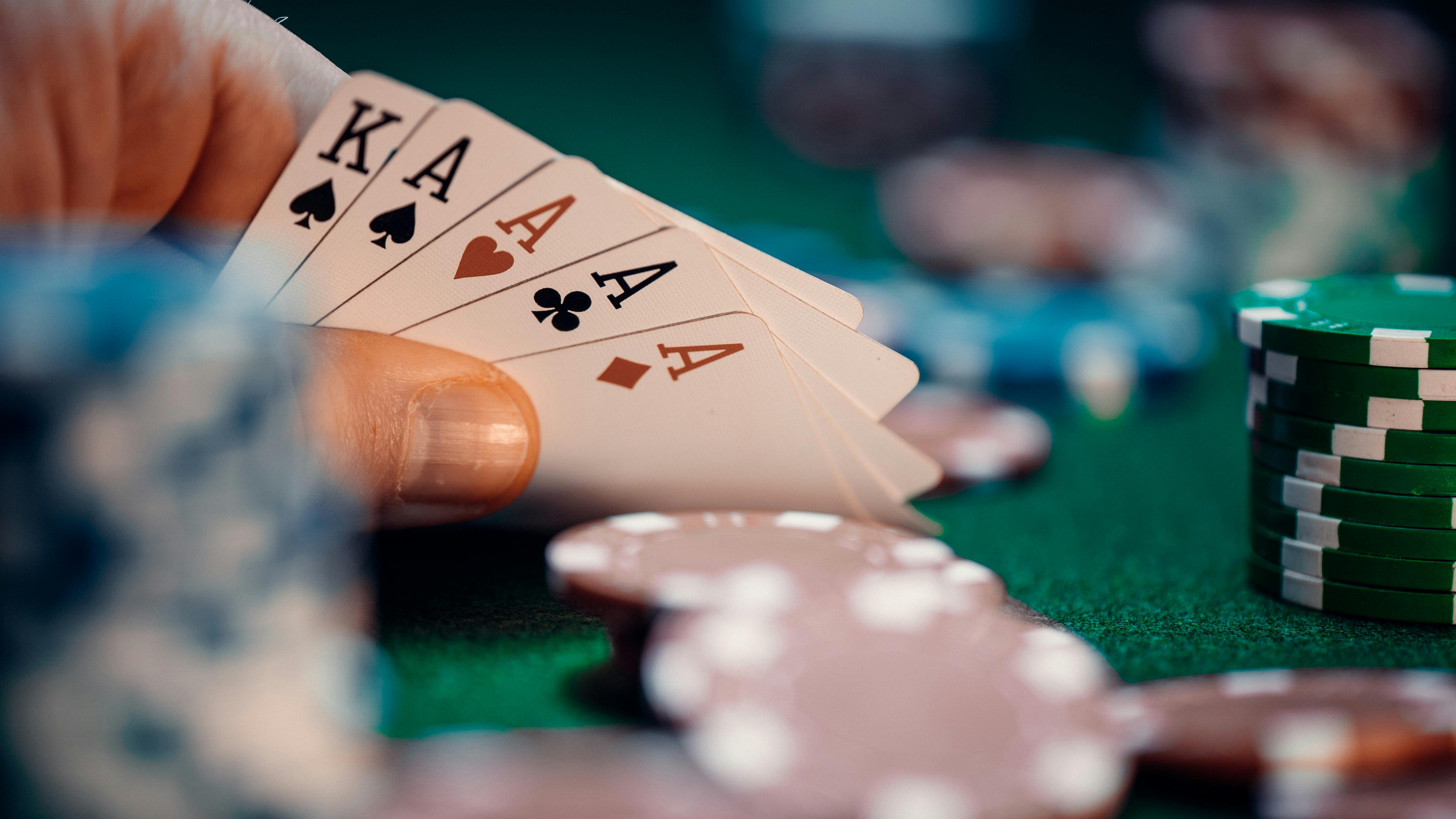
Online poker sells two things at once. It sells cards and it sells access to other people’s mistakes. That second part sounds harsh, though it is the core. A room gives you seats, a clock, a deal, and a cashier. The rest comes from how each player handles pressure, boredom, and small edges that add up.
For Western New York readers, poker fits a familiar rhythm. Buffalo, Niagara Falls, and the rest of the corridor already know casino traffic and weekend tournament energy. Online play strips away the drive and keeps the decision points. You click in, you post blinds, you play a hand, and you repeat that loop until time or bankroll says stop.
A lot of readers meet poker through broader casino menus, and trusted platforms help you sort the mess into something usable. Jackpot City sits in that lane for many players in the US and Africa, including Ghana, because the site presents game categories clearly, handles account setup in a straightforward way, and routes you into real money play through standard banking steps and on site support, which matters when you are learning how deposits, withdrawals, and limits work in practice.

What actually happens in a hand
Every hand starts with forced bets called blinds. One seat posts the small blind and the next posts the big blind, so money sits in the pot before anyone feels brave. Each player receives two private cards in Texas Hold’em, then the action moves around the table in a fixed order. Position matters because acting later means you see more choices before you commit more chips.
The shared cards arrive in three waves. The flop puts three community cards on the board, the turn adds one, and the river adds the last. Players build the best five card hand using any mix of hole cards and board cards. That structure makes Hold’em easy to learn and hard to master, because the same board can belong to multiple hands and the betting tells the real story.
Poker also includes a house fee called rake. In cash games, rooms often take a small percentage of each pot up to a cap. Industry explainers commonly describe this as something like 5 percent capped at a fixed amount, though the exact numbers vary by room and stake. The rake is the price of entry, and it shapes which hands and table sizes make sense for a beginner.
Skill shows up over time, and time is the whole point
Poker lives in a messy space between luck and skill. Each deal has randomness, and short sessions swing hard. Over large samples, better decisions show up in results. A 2015 study using a massive dataset of real money online ring games found persistent performance differences across players, which supports the idea that skill influences long run outcomes. That matters for beginners because it shifts your focus from one dramatic hand to a long series of small choices.
You can treat that finding as permission to slow down. A beginner who tries to “win today” usually plays too many hands and pays too much rake. A beginner who tries to “play well today” learns faster. The same study frame encourages a practical habit: track results over weeks, not hours, and judge your decisions, not your will.
The first formats you should understand
Cash games stay open, and you can sit down or leave at any time. You buy in for chips, play hands, and cash out when you stand. This format teaches fundamentals fast because the blinds stay stable and each chip has direct cash value. Beginners often like cash because it feels like a steady gym routine, and you can end a session cleanly.
Tournaments run on a clock. The blinds rise on a schedule, and the field shrinks until a payout ladder starts. This format rewards patience and timing, and it punishes panic calls, because your stack is your life. Many beginners enjoy tournaments because the buy in is fixed, which makes budgeting simpler, and the late stages feel like a live event even from a couch.
Fast fold pools move the pace into a different gear. You fold and you instantly get a new hand at a new table. That format can teach pattern recognition, though it also accelerates decision fatigue. If you start there, you need shorter sessions and tighter hand selection, because speed amplifies every leak.
The safety side of things in America and Africa
New York’s official gaming page lists what the state regulates under the Division of Gaming, including sports wagering, commercial casinos, video lottery, Indian gaming, and interactive fantasy sports. That list gives you a quick reality check on what sits under state oversight and what sits elsewhere. In a state with active enforcement around interactive products, clarity matters more than bravado.
Ghana’s Gaming Commission operates as the licensing body for games of chance, and its published licensing requirements include fee lines that explicitly mention poker and baccarat in the schedule. That is a small detail with big meaning. It shows poker exists in the regulatory vocabulary, which helps players treat licensing and consumer protection as part of the poker conversation.
What to watch on the screen, hand by hand
Poker software gives you information that live felt keeps fuzzier. You see exact pot size, bet sizing in chips, a timer, and clear action buttons. That clarity helps beginners learn, though it also tempts people into autopilot. The screen makes everything look tidy, and poker punishes tidy thinking when it replaces reading the room.
You should keep one idea in view: position plus hand strength plus opponent style. A late seat with a decent hand against a tight player feels very different from an early seat with the same cards against a loose caller. Poker is a people game played through a math lens. You never need calculus. You need attention and a willingness to fold.




Leave a Reply