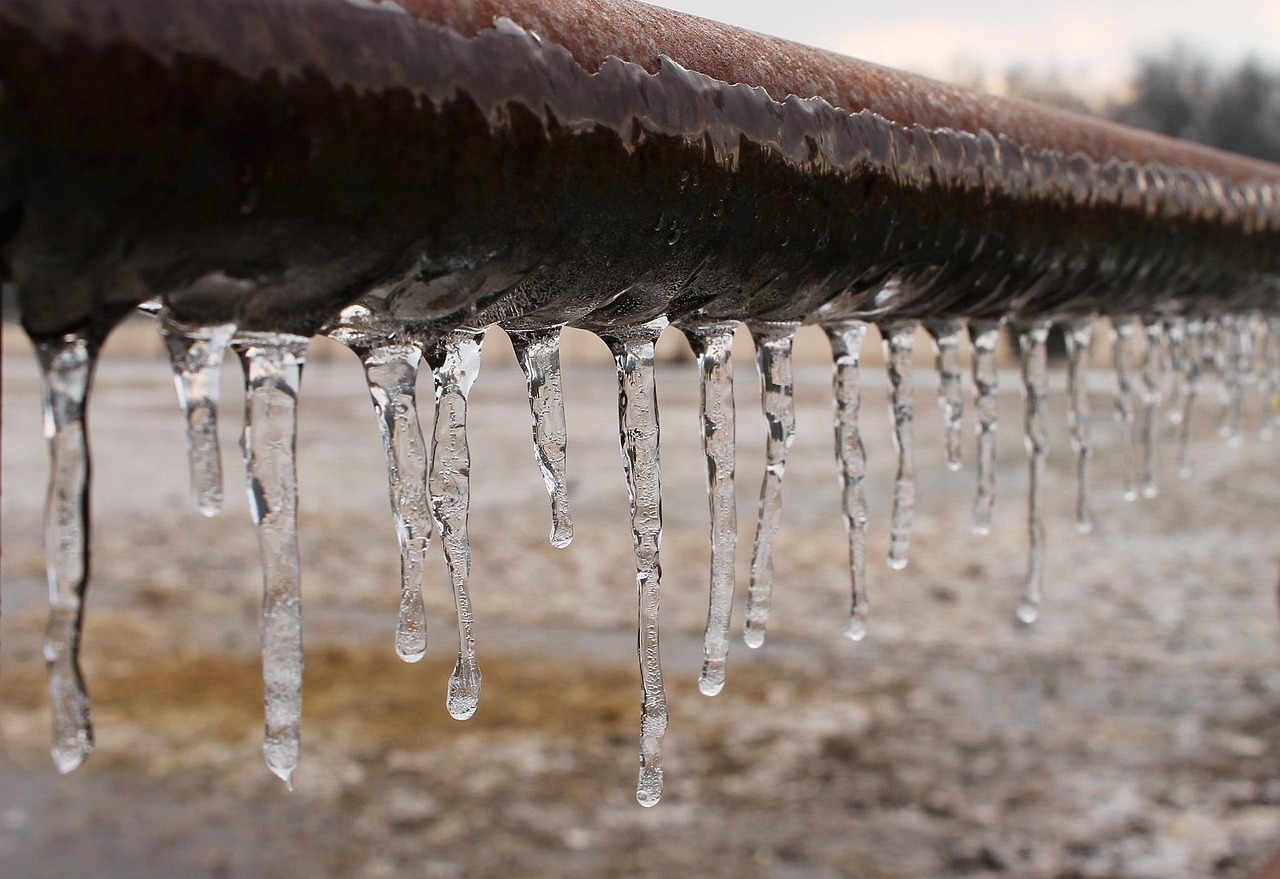
According to recent reports, over 260,000 US households experience burst pipe damage every year. That is one burst pipe every two minutes, which leads to 6 billion gallons of water loss and waste.
And you surely won’t want to be one of those who experience such a plumbing disaster.
To protect your pipes and prevent them from bursting, you need to take proper precautions. In this article, we will show you six preventive measures that can help you protect your pipes from bursting.
Why Do Pipes Burst?
The pipes of your home can burst for several reasons. Low freezing temperature is one of the biggest reasons. In winter, the water inside the unprotected pipes often freezes and expands, putting substantial pressure on the pipes.
More often than not, this kind of pressure damages the pipes and makes them burst.
Clogging can also make your pipes burst. Clogged pipes have a tough time transporting water. Forcing water through such pipes can increase the water pressure inside the pipes, which may make the pipes burst at a certain point.
To protect your pipes, you can always hire professional plumbers.
High Speed Rooter and Plumbing offers burst pipe & clogged drain solutions that will help you insulate your pipes, detect and fix leaks, clear clogged pipes, and more to prevent your pipes from bursting.
How Can You Prevent the Pipes from Bursting?
- Enough Insulation
A solid insulation is the first line of defense against burst pipe incidents. You can use fiberglass or rubber foam to insulate the exposed areas of the pipes.
While doing that, you should cover all the joints, corners, and points that have a high probability of freezing.
What’s more, you must insulate the pipes that run through the exterior walls to maintain a stable temperature. For these pipes, you can use pre-molded foam sleeves to protect them against extreme temperature changes.
- Temperature Control
Homeowners can prevent the pipes from bursting by maintaining a consistent temperature in their homes. Even when you are not in your house, you should set your thermostat’s temperature to at least 65° F.
Keep the cabinet doors below the sink open to help the warm air circulate around the pipes during the cold snaps. If possible, keep the interior doors between the rooms open, too.
It will create a temperature equilibrium in your plumbing system.
- Staying Prepared for Extreme Weather
When the temperature of your region drops to extremes, you need to open all the faucets of your plumbing system to keep the water moving.
Your focus should be on the faucets that are located the furthest from the main water supply. After all, the furthest ones freeze first, leading to severe burst pipe damage.
During the cold weather, you must keep the heat level of your home consistent. Do you have gaps and cracks that allow cold air to reach the pipes? Seal it. Do you have a crawl space? Don’t forget to insulate the access door and shut all vents.
- Protecting the Outdoor Pipes
You must remove the garden hoses and outdoor pipes, drain them, and then store them before the cold weather hits you. Can’t detach the outdoor pipes? In that case, make sure to cover the outdoor faucets and pipes with proper insulation materials.
You can also consider switching to the frost-free pipes available in the market to protect your plumbing system from severe cold.
Want to protect your irrigation system from the winter snow’s assault? If so, remember to drain all outdoor pipes, dry them, and cover the exposed ends to avoid debris accumulation or freeze damage.
- Managing the Water Pressure
Cold weather isn’t always responsible for the burst pipe damage. Many times, the pipes of a home’s plumbing system burst simply because of the extreme water pressure that puts excessive stress on them.
Whether due to excessive water flow or debris accumulation that clogs the pipes, the water pressure of the pipes can spike due to various reasons.
You need to keep a constant watch to regulate the water pressure and avoid damaging the pipes. To do that, you can install a water-pressure monitoring system and make sure that the readings stay within the 40 to 65-PSI range.
- Regular Maintenance
You need to inspect your plumbing system and pipes at least once a year for any signs of damage, wear and tear, leaks, and corrosion.
You can check the pipe straps and support systems to identify whether they are loose. After all, the loose pipes are more likely to get damaged due to temperature changes and water pressure.
Keep the humidity of your home at a proper level. This will help you avoid condensation in the pipes. Check for any signs of pressure or temperature damage. Identify the possible leaks and fix them as soon as possible.
Some of these things are very difficult to check yourself. But you can always ask for professional help to do the job as quickly and efficiently as possible.
If there’s no problem with your pipes, it’s fine. But if there is, neglecting them can damage your pipes, which can damage the entire plumbing system, putting additional replacement and repair costs on your back.
Conclusion
Repairing a damaged plumbing system can cost a lot. Not to mention, you will face several inconveniences if the pipes in your home burst during chilly weather.
To avoid those inconveniences and protect your pipes, you can take the preventive measures you have mentioned above. While the six methods above may not cover all aspects, they can help you avoid pipe damage in the majority of cases.
What measures did you take to protect your plumbing system? Let us know in the comments.



Leave a Reply