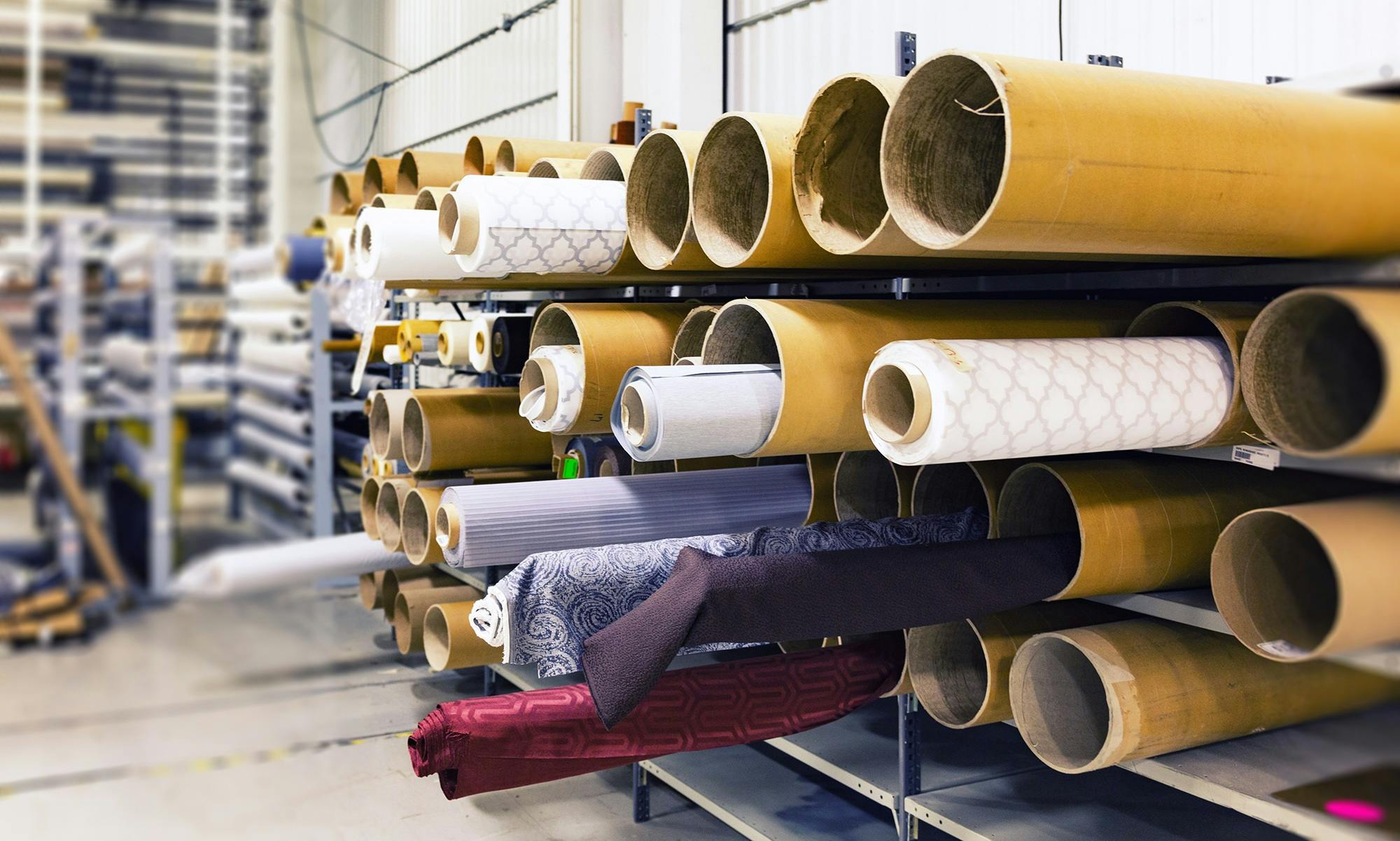
Starting a business often requires significant upfront investment. Equipment, machinery, and tools can quickly become some of the largest expenses for entrepreneurs. However, many successful startups and small businesses are discovering a smarter approach: using surplus equipment. From industrial machinery to office technology, surplus equipment offers a cost-effective and practical way to launch and grow a business without taking on unnecessary financial risk.
In an era where supply chains are constantly evolving and industries are rapidly modernizing, companies frequently replace equipment long before it stops working. This creates a thriving secondary market filled with high-quality tools, machines, and materials at a fraction of their original price.
Below are some of the major advantages of using surplus equipment when starting a business.
1. Dramatically Lower Startup Costs
One of the biggest barriers to launching a business is capital. New equipment often costs thousands—or even hundreds of thousands—of pounds depending on the industry.
Surplus equipment allows entrepreneurs to access the same machinery at 50–80% less than the retail price. This dramatically lowers the financial threshold required to start operating.
For example:
- Industrial packaging machines
- Warehouse forklifts
- CNC machines
- Commercial kitchen equipment
- Manufacturing tools
Instead of spending £100,000 on new machinery, a business might spend £20,000–£40,000 purchasing surplus equipment in excellent condition.
Lower startup costs also reduce financial pressure and allow founders to reinvest money into marketing, staff, or growth.
2. Faster Time to Launch
New equipment often comes with long manufacturing and delivery timelines. Custom machinery can take weeks or months to arrive, delaying a company’s ability to start operations.
Surplus equipment is typically ready for immediate purchase and deployment.
This is particularly valuable in industries such as:
- Amazon FBA packaging
- Industrial parts reselling
- Metal recycling
- Manufacturing startups
- Logistics and warehousing
Entrepreneurs can acquire machines quickly, install them, and begin generating revenue almost immediately.
3. Access to Higher-Quality Equipment
Many startups assume they must purchase entry-level equipment because of budget limitations. However, the surplus market often contains premium or industrial-grade machines that large companies no longer need.
Businesses upgrade equipment for reasons such as:
- Automation upgrades
- Factory relocations
- Bankruptcy auctions
- Corporate restructuring
- Technology refresh cycles
As a result, startups can acquire high-end machinery that would normally be far outside their budget.
This can provide a major competitive advantage in terms of efficiency, production quality, and reliability.
4. Reduced Financial Risk
Every new business carries risk. Spending large sums on brand-new equipment increases the pressure to succeed immediately.
Surplus equipment helps reduce this risk because:
- The initial investment is smaller
- Equipment often retains resale value
- Businesses can scale gradually
If a business pivots or changes direction, surplus equipment can usually be resold through industrial marketplaces or auctions.
This flexibility is extremely valuable for entrepreneurs testing new ideas or entering emerging industries.
5. Opportunities in Industrial Reselling
Surplus equipment itself can also become the foundation of an entire business model.
Many entrepreneurs build profitable companies by:
- Buying surplus industrial equipment
- Refurbishing or repairing machines
- Reselling parts and machinery online
Industries that thrive on surplus equipment include:
- Industrial automation
- Heavy machinery trading
- Electronics refurbishment
- Hydraulic equipment
- Laboratory equipment reselling
These businesses often source equipment from factory closures, auctions, or surplus warehouses and sell it through marketplaces or specialized websites.
6. Environmental and Sustainability Benefits
Using surplus equipment is also an environmentally responsible choice.
Manufacturing new machinery requires significant resources:
- Metals
- Energy
- Rare earth materials
- Plastics and electronics
By extending the life of existing equipment, businesses contribute to the circular economy, reducing waste and conserving resources.
Many industries are increasingly focused on sustainability, and using refurbished or surplus equipment can help businesses demonstrate environmental responsibility.
This can also become a valuable marketing advantage, particularly in industries focused on recycling, metals, or renewable materials.
7. Ideal for Testing New Business Ideas
Entrepreneurs frequently launch businesses to test market demand before scaling. Purchasing expensive equipment upfront can make experimentation difficult.
Surplus equipment allows founders to test a business concept with minimal investment.
For example:
- Testing a new packaging operation
- Launching a small manufacturing run
- Starting a recycling or scrap processing business
- Creating a small-scale food production facility
If demand grows, the business can upgrade to larger or newer machines later.
This approach allows businesses to scale based on proven revenue rather than speculation.
8. A Growing Global Marketplace
The surplus equipment market has grown dramatically thanks to online platforms and digital marketplaces.
Entrepreneurs can now easily source machinery from:
- Industrial auctions
- Surplus equipment websites
- Liquidation sales
- Factory closures
- International trading platforms
These global marketplaces create opportunities to find rare or specialized machines that might not be available locally.
Many businesses now build entire supply chains around sourcing surplus industrial assets and redistributing them to companies that need them.
9. Perfect for Amazon and E-commerce Operations
Surplus equipment is especially useful for e-commerce businesses, where packaging and fulfillment operations can quickly become expensive.
For example, companies can purchase surplus:
- Box sealing machines
- Conveyor belts
- Shrink wrap machines
- Label printers
- Pallet wrappers
These machines allow small businesses to run professional fulfillment operations without the high cost of brand-new warehouse equipment.
This is particularly valuable for businesses scaling through platforms like Amazon, Shopify, or direct-to-consumer websites.
10. A Smart Strategy in Uncertain Economic Times
In periods of economic uncertainty, businesses that control costs have a major advantage.
Surplus equipment allows entrepreneurs to build lean, efficient operations that are less dependent on heavy debt or financing.
Companies that start with lower overhead often:
- Reach profitability faster
- Survive economic downturns more easily
- Scale sustainably
For many founders, the surplus market offers a practical path to entrepreneurship without the financial pressure associated with traditional startup models.
Final Thoughts
Starting a business doesn’t always require expensive brand-new equipment. In fact, many successful companies begin with surplus machinery, refurbished tools, and second-hand industrial assets.
By taking advantage of the surplus market, entrepreneurs can:
- Reduce startup costs
- Launch businesses faster
- Access high-quality equipment
- Lower financial risk
- Support sustainability
In today’s fast-moving economy, smart founders focus on efficiency rather than unnecessary spending. Surplus equipment provides a powerful opportunity to build profitable businesses while keeping costs under control.
For entrepreneurs willing to think creatively, the surplus marketplace may be one of the most overlooked opportunities in modern business.



Leave a Reply