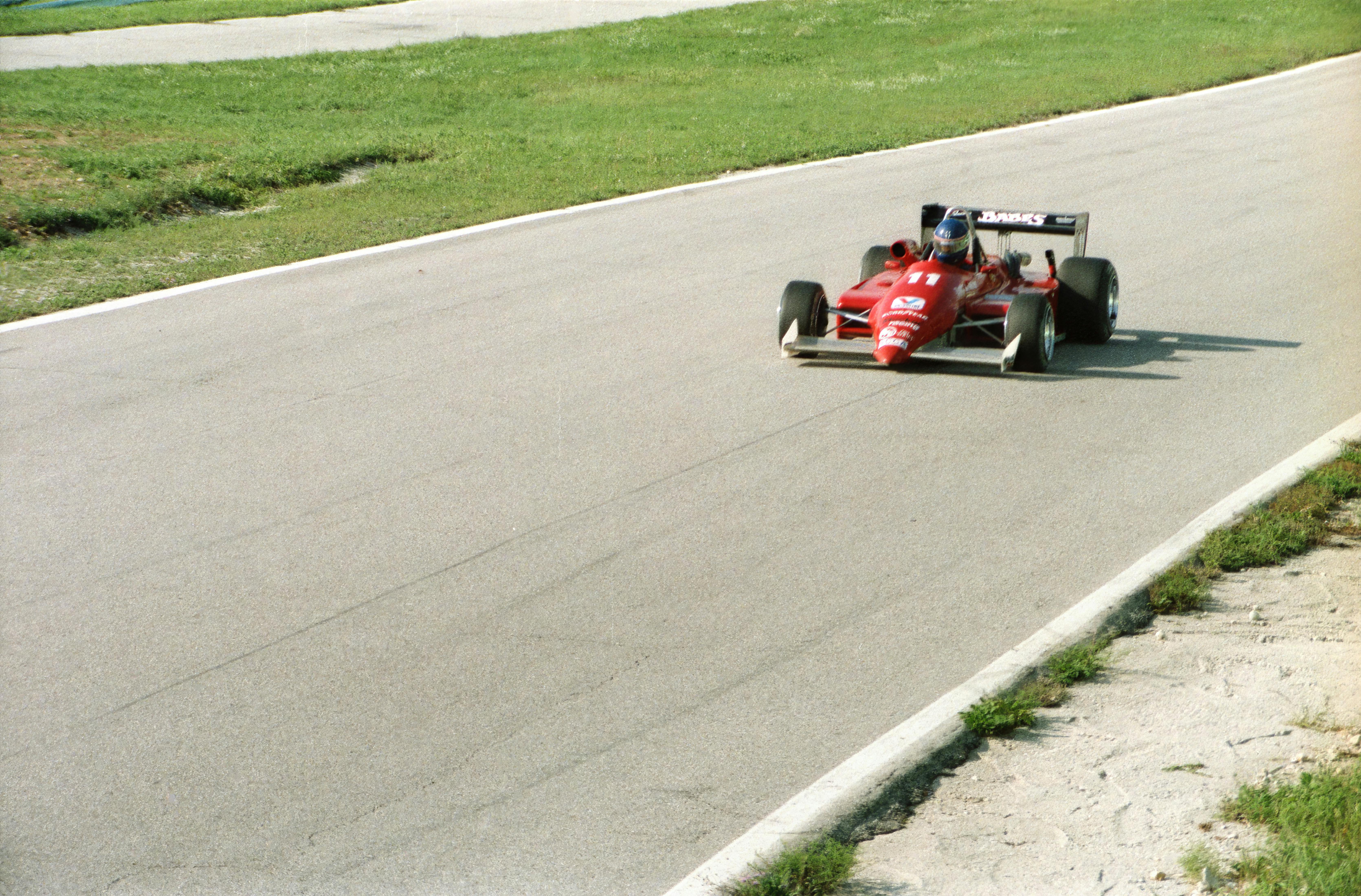
Speed on a race track depends on more than engine power. Small adjustments in suspension setup can change how a car corners, grips the road, and responds under pressure. Professional drivers spend time studying suspension behavior because even slight setup changes affect lap times and vehicle control during competitive racing.
Track performance relies heavily on suspension balance and precise tuning. Drivers and race engineers adjust components carefully to match track conditions and driving style. Many high-performance vehicles rely on specialized racing coil springs that help manage weight transfer and road contact. This article explains how professional drivers adjust track coil setups to improve stability, handling response, and control during demanding race conditions.
Spring Rate Selection Shapes Vehicle Handling
Professional drivers pay close attention to spring rate when preparing a race car. Spring rate determines how much force is required to compress the coil, which directly affects vehicle stability and responsiveness. A stiffer spring provides sharper cornering control but may reduce comfort on uneven track surfaces.
Drivers adjust spring rates based on track layout and driving style. Tight circuits with quick direction changes may require firmer suspension settings. Tracks with longer corners sometimes benefit from slightly softer rates that maintain tire contact and grip. Careful spring selection allows drivers to balance speed, stability, and predictable handling.
Ride Height Adjustments Improve Track Balance
Ride height determines how a vehicle sits relative to the road surface. Professional drivers usually adjust ride height to improve aerodynamics, cornering balance, and weight distribution. Lowering the car slightly can reduce air resistance and help maintain stability at high speeds.
Correct ride height also affects suspension travel and tire contact during cornering. Drivers monitor how the car reacts when entering and exiting turns. A balanced ride height allows the suspension system to absorb track forces while maintaining steady traction. Proper adjustment supports better control throughout the entire lap.
Corner Weight Distribution Supports Stable Handling
Race engineers frequently adjust corner weight to ensure that each tire carries the correct load. Uneven weight distribution can cause unpredictable handling, especially during braking or sharp turns. Professional drivers rely on precise adjustments to keep the car balanced.
Key Factors Drivers Evaluate
Drivers and engineers analyze several elements while adjusting suspension balance. They examine vehicle weight distribution, track surface conditions, and tire grip levels. Careful adjustments help maintain even pressure across all wheels. When weight distribution remains balanced, the vehicle responds more predictably during high-speed maneuvers and corner transitions.
Track Conditions Influence Coil Setup Decisions
Every race track presents unique surface conditions that affect suspension setup. Some tracks have smooth pavement, while others contain bumps, elevation changes, or sharp curbs. Professional drivers evaluate these conditions carefully before making coil adjustments.
A smoother track may allow firmer suspension settings for improved responsiveness. Rougher surfaces sometimes require slightly softer setups to maintain tire contact with the road. Adjusting suspension components helps drivers adapt to changing track characteristics. When the setup matches track conditions, the car remains stable and easier to control during intense racing situations.
Professional Expertise Guides Suspension Tuning
Suspension setup requires careful evaluation and technical knowledge. Professional drivers work closely with experienced race engineers to analyze vehicle performance and make precise adjustments. Engineers interpret telemetry data and track feedback to determine how the suspension system should respond.
Expert guidance helps drivers fine-tune spring rates, ride height, and weight balance. These adjustments ensure that the vehicle remains predictable and stable during demanding race situations. Reliable suspension tuning allows drivers to push the car harder while maintaining control on the track.
Track performance depends heavily on suspension precision and thoughtful setup adjustments. Professional drivers carefully tune spring rates, ride height, and weight balance to improve handling and stability during competitive racing. Each change helps the vehicle respond more accurately under pressure. Well-tuned racing coil springs support consistent tire contact and balanced suspension movement. When suspension components work together properly, drivers gain the confidence needed to maintain control, handle corners smoothly, and deliver stronger performance on demanding race tracks.




Leave a Reply