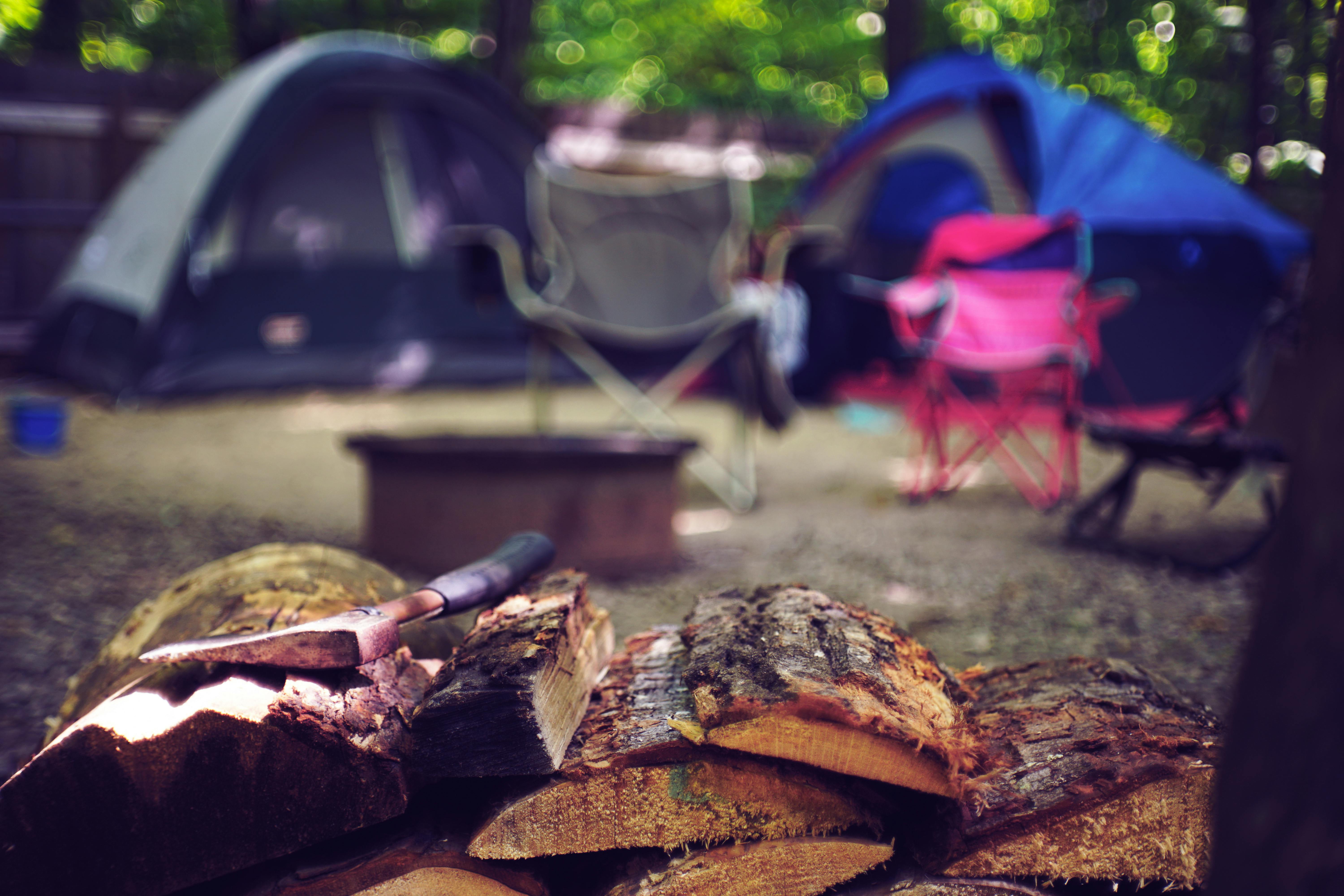
Something about old-school camp still works.
Not because it’s trendy. Not because parents are trying to recreate their own childhood. Mostly because a lot of families are tired of summers that feel scattered, over-scheduled in the wrong ways, or eaten up by screens. Children stay busy, sure, but not always in ways that leave much behind. A few weeks later, the days all blur together.
That’s part of the reason the classic summer camp experience has started to feel valuable again. Canoes, cabins, campfires, talent shows, messy crafts, hiking trails, late-night laughter, bug spray, wet towels hanging off bunks none of it is especially polished, and that may be exactly why it matters.
The simple stuff still does a lot
Traditional camp doesn’t usually promise flashy outcomes. It just gives kids a real day. Wake up. Get dressed. Eat with other people. Go outside. Try something. Help with something. Be part of a group. Do it again tomorrow.
That sounds basic, but it’s not small.
A lot of the benefits of traditional summer camp come from this kind of repetition. Children settle into a rhythm. They stop expecting constant entertainment. They figure out how to fill time, how to wait, how to participate even when an activity wasn’t their first choice. That’s useful in real life. It’s useful in school too.
And unlike highly programmed activities that leave no room to breathe, traditional camp usually has texture. Some parts are exciting. Some are boring. Some are awkward. Kids need all of that. A little boredom at camp often turns into a card game, a joke, a friendship, or a weird made-up tradition by the third day.
Kids don’t always need more options
A lot of modern childhood is built around endless choice. Pick a show. Pick a snack. Pick a game. Pick a video. Pick another one five minutes later.
Camp narrows things down in a way that can actually feel calming. There’s a schedule. There’s a group. There’s a place to be. A child doesn’t have to keep deciding what comes next every ten minutes.
That’s one answer to the question of why traditional summer camps are making a comeback. Families are starting to see that less choice can sometimes create more ease. Camp asks kids to step into a shared routine instead of building every day around individual preferences.
That doesn’t mean every child loves it right away. Some don’t. Some complain about the food, the bugs, the bunkmates, the showers, the noise. Fair enough. But after a few days, many settle in because the rhythm starts doing its work.
Even places like Long Lake Camp for the Arts fit into that return to tradition in a natural way. Yes, it has a strong creative focus, but the deeper appeal is familiar: kids living together, learning together, trying things in person, and spending a summer doing something real instead of watching other people do things on a screen.
Being unplugged changes the mood
There’s a different energy around kids when devices are not the center of the day.
Not magically better every second. Just different. More direct. More present. Kids look at one another instead of down. They notice the weather. They get into arguments that actually have to be worked out face to face. They laugh harder at dumb things. Even the quiet ones often begin to open up when the constant pull of a screen is gone.
That’s why unplugged summer experiences are landing differently with families now. Screens are not the enemy, but they do flatten time. Camp tends to stretch it back out. A single day can feel full again. Morning swim, lunch in a noisy dining hall, a hike, an embarrassing skit, whispered conversations after lights-out. That’s a real day. Kids feel it.
Traditional camp also gives children something many of them don’t get enough of anymore: being outside for long stretches without needing it to be optimized or explained. Just weather, woods, water, dirt, and a reason to be in it.
At Long Lake Camp for the Arts, that same unplugged feeling can happen through rehearsal spaces, studios, outdoor time, shared cabins, and the simple rhythm of camp life. The format may include music, theater, dance, or visual arts, but the heart of it still feels connected to what families value in traditional camp settings.
The social part is bigger than people think
A huge part of camp has nothing to do with the activity itself.
It’s about learning how to live near other people. Share space. Take turns. Be annoyed and get over it. Help someone who misses home. Lose a game without falling apart. Join in even when the group already seems formed. These are social development activities, even if nobody calls them that at the time.
Camp friendships are different because they’re built through time and repetition. Same cabin. Same table. Same trail. Same inside joke that stops being funny after a week but somehow gets funnier anyway. That kind of connection sticks.
And for many children, especially those who are a little hesitant or overly dependent on familiar routines, the overnight summer camp benefits are real. Being away from home, even briefly, teaches small forms of independence. Keeping track of belongings. Managing feelings. Asking a counselor for help instead of a parent. Getting through homesickness and realizing it passes. Those moments matter more than they seem to at the time.
Maybe that’s why camp still lasts
Traditional summer camp is not perfect. Cabins get messy. Someone always snores. It rains on the wrong day. A child forgets sunscreen. Another decides camp food is suddenly a personal insult.
Still, families keep returning to it because the value is hard to fake. Kids come home with stories that feel lived-in. They remember the canoe tipping, the song nobody could stop singing, the friend from another town, the first night that felt too long, and the last day that came too fast.
That kind of summer leaves a mark.
Not a polished one. A real one.




Leave a Reply