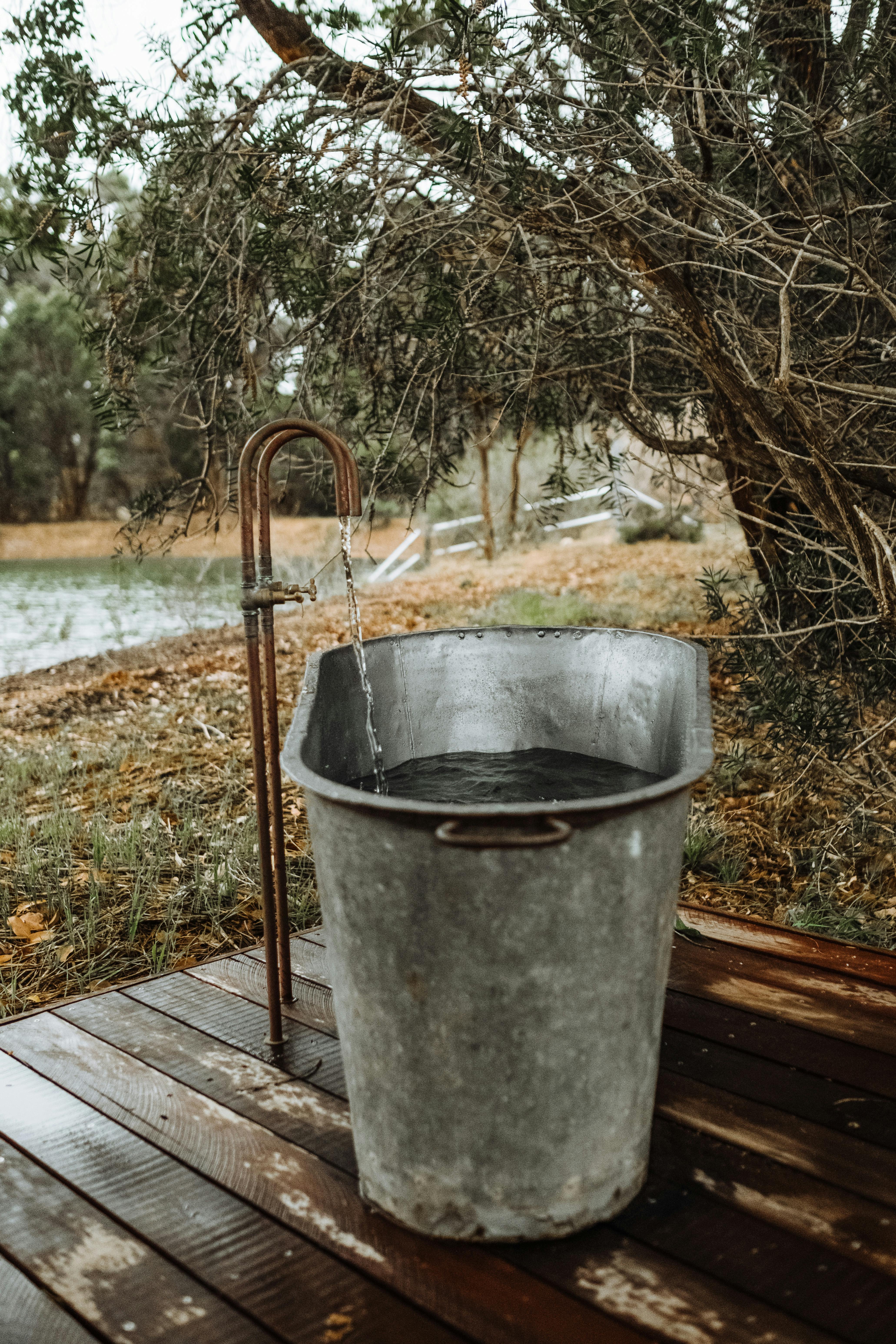
Cold water immersion has gained serious attention across the health and wellness world. Athletes, therapists, and everyday people have turned to cold plunge tubs as a tool for faster muscle recovery, better circulation, and improved mood. Salt Lake City residents have a lot of interest in home wellness setups, and a cold plunge tub can be a smart addition to any property.
The dry, high-altitude climate in the area adds extra reasons to care about proper temperature control and tub durability. This article explains what buyers in the cold plunge Salt Lake City market need to know before making a purchase.
Size and Space Requirements
Before a cold plunge tub arrives at a home, space must be measured with care. Tub dimensions vary widely, and a model that looks compact online can feel much larger in a real room or patio. Water capacity also matters, as larger tubs hold more water and require more effort to chill and clean. A solo tub for one person differs greatly from a model built for two. Salt Lake City homeowners should map out the exact area, check door widths for indoor delivery, and confirm the floor or ground can handle the added weight.
Temperature System and Control
A solid cooler or chiller unit is one of the most critical parts of a cold plunge tub. Typical cold plunge temperatures fall between 41°F and 59°F, so the chiller must reach and hold those levels reliably. In Salt Lake City, summer heat can stress underpowered systems. Some models come with built-in chillers, while others require a separate unit. Buyers should check the horsepower of the cooler, how fast it chills water from room temperature, and how well it holds a set temperature over several hours.
Filtration and Maintenance Needs
Cold plunge tubs need regular attention to stay clean and safe. Without proper filtration, bacteria and debris can build up fast in cold water. Most quality models include a filtration system, but the level of care required still varies. Some tubs use ultraviolet sanitation or ozone systems to reduce the need for chemicals. Salt Lake City tap water has mineral content that can affect the water over time. A consistent schedule for water changes, filter checks, and surface wipes keeps the tub in top condition and extends its life.
Material and Insulation Quality
The material of a cold plunge tub affects how long it lasts and how well it holds temperature. Stainless steel and high-grade acrylic are two of the most popular options. Stainless steel resists corrosion and retains cold well. High-grade acrylic offers a smoother surface and easier maintenance. Insulation quality matters too, especially in a varied climate. A well-insulated tub reduces the workload on the chiller and lowers energy costs over time. Thin-walled models may look affordable, but cost more to operate in the long run.
Cost and Long-Term Value
Cold plunge tubs range from a few hundred dollars for basic portable models to several thousand for premium built-in systems. The initial price is just part of the total cost. Electrical setup, water care products, filter replacements, and possible repairs add to the total investment. For cold plunge Salt Lake City buyers, choosing a model with strong warranties and available customer support makes a real difference. A higher upfront cost on a durable, energy-efficient model often saves more money over three to five years than a cheaper option that needs frequent repairs or early replacement.
A cold plunge tub can support recovery, circulation, and relaxation at home. The right tub depends on available space, climate conditions, budget, and how much maintenance a person is ready to handle. Cooling power, material quality, and filtration are the three features that separate a reliable tub from a frustrating one. Careful research before purchase in Salt Lake City leads to better results and a more satisfying cold water wellness routine.

Leave a Reply