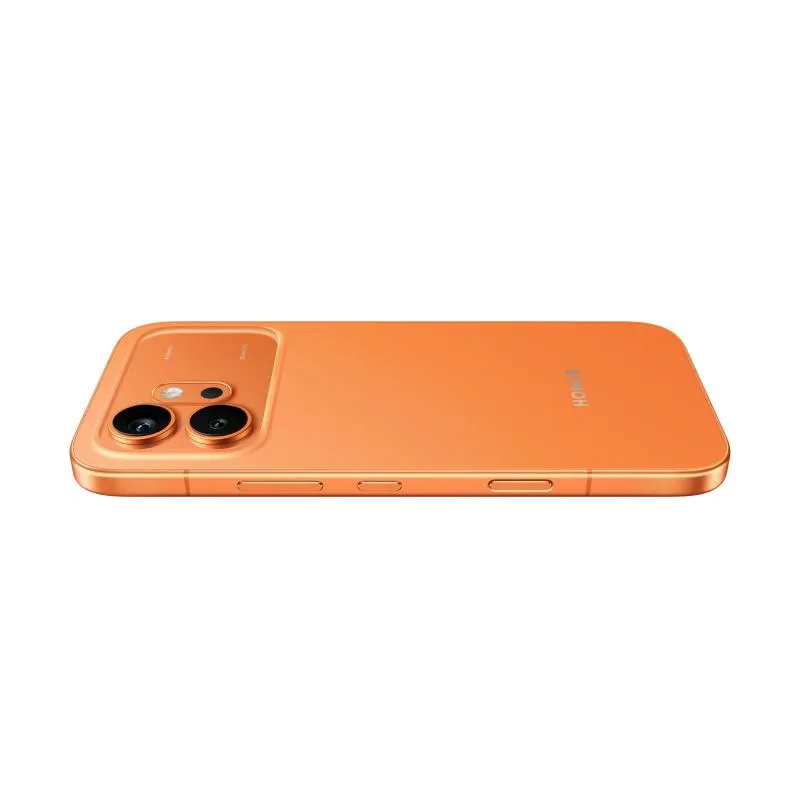
Hardware Quality and Build Durability
Hardware quality sets the foundation for real-world smartphone lifespan. A modern processor, sufficient RAM, and fast storage help a device stay smooth even as apps grow larger and more complex. Mid-range and flagship phones with efficient chipsets and at least 6–8 GB of RAM generally offer better long-term performance than ultra-cheap models with lower specs.Build durability is just as important. Features like toughened glass, aluminum or strong plastic frames, and some water resistance protect your phone from drops, dust, and spills. Well-designed cooling systems also help the processor avoid overheating, which can shorten component life.
Software Updates and System Optimization
Software updates directly affect how long a smartphone remains secure and usable. Regular security patches protect against new threats, while major system updates add features and improve compatibility with modern apps. Brands that promise at least three to four years of updates give their phones a longer practical lifespan.System optimization also shapes daily experience. A clean, efficient interface uses RAM and storage wisely, so the phone stays smooth even as it ages. Good memory management, smart background app control, and storage optimization can delay the slowdowns many users notice after two or three years. When a manufacturer refines its software for older models, it can extend their usable life.
Battery Life and Performance Over Time
How Battery Degradation Impacts Daily Use
Battery degradation shows up in daily life as shorter usage between charges. At first, you might notice your phone no longer lasts from morning to night. After a couple of years, it may need a midday top-up even with moderate use. This shift forces you to carry a power bank or stay near outlets, which reduces convenience.Degradation can also cause sudden drops in battery percentage, unexpected shutdowns, or the need to keep power-saving mode on all the time. Some phones may throttle performance to preserve remaining battery health, so apps open slower and heavy tasks feel sluggish.
Charging Habits That Extend Battery Lifespan
Good charging habits can slow battery wear and keep a smartphone usable for longer. Lithium-ion batteries prefer shallow charge cycles. Instead of letting the battery drop to 0% and then charging to 100% every time, try to keep it between about 20% and 80% for daily use. Avoid leaving the phone plugged in at 100% for long periods, especially overnight in hot environments.Heat is one of the biggest enemies of battery health. Remove thick cases while fast charging if they trap heat, and keep the phone out of direct sunlight during heavy use. Use quality chargers from trusted brands and follow the manufacturer’s recommended power ratings.
Choosing a Smartphone Built to Last
What to Look for in a Durable Device
When you want a durable smartphone, check a few key details. A tough display with reinforced glass reduces the risk of cracks from minor drops. A metal or high-quality plastic frame adds strength without too much weight. Some level of water and dust resistance, even if not fully rated, offers extra protection in everyday accidents.Inside, choose a phone with a proven chipset, at least 6–8 GB of RAM, and enough storage for future needs. A large battery and efficient power management help keep good battery life for years. Also pay attention to software support: clear promises of long-term updates suggest the brand plans for durability.

Example: HONOR 600 and Long-Term Value
The HONOR 600 illustrates how a modern smartphone can deliver long-term value when it balances hardware, battery, and software support—especially when considering factors like the honor 600 price. It uses a capable chipset and generous RAM to handle daily tasks, gaming, and multitasking smoothly. This level of performance helps the phone stay responsive as apps grow more demanding over several years.A spacious battery paired with efficient power management delivers strong endurance, even for heavy social media or video use. Fast charging support makes top-ups quick, while smart charging features help slow battery wear. HONOR’s focus on optimized software, including regular updates and system refinements, supports stable performance over time. A solid build with quality materials adds durability for daily use.
Conclusion
A realistic smartphone lifespan often falls between three and five years, depending on hardware quality, software support, and how you use and care for the device. Strong processors, enough RAM, and durable builds keep phones fast and physically intact. Regular security patches and system updates maintain compatibility and safety, while thoughtful battery management slows wear and extends daily endurance.Your habits matter just as much. Good charging practices, protective cases, and moderate settings can significantly delay the moment your phone feels too slow or runs out of power too quickly. When shopping for a new device, pay close attention to update policies, battery features, and real user feedback on long-term performance.



Leave a Reply