Power outages hit without much warning and often last longer than anyone expects. Families lose lights, refrigerators shut down, and sump pumps stop working just when you need them most. A whole house generator system steps in when the grid fails and keeps your home running with minimal disruption.More homeowners now see backup power as a necessity rather than a luxury. Storms, aging infrastructure, and rolling blackouts make the electrical grid less dependable in many regions. A properly sized generator can power critical circuits or your entire home, including heating, cooling, medical equipment, and home offices.This guide explains how whole house generator systems work, what types are available, and how to choose the best option for your property. You will learn the basics of sizing, fuel types, and installation considerations so you can make a smart, safe investment in reliable home power.

What Is a Whole House Generator System?
How Whole House Generators Work
A whole house generator sits outside your home, similar to a central air conditioning unit. It connects to your fuel source and your main electrical panel through an automatic transfer switch.When the utility power goes out, the transfer switch senses the loss of voltage within seconds. It signals the generator to start and isolates your home from the grid to prevent backfeeding. Once the generator reaches proper speed and voltage, the switch transfers the load to generator power.Your home then runs on the generator until utility power returns. After the grid stabilizes, the system reverses the process and shuts down the generator automatically.
Key Components of a Complete System
A complete whole house generator system includes several key parts. The generator unit houses the engine and alternator that create electrical power. The automatic transfer switch monitors incoming utility power and shifts the load between the grid and the generator.The fuel supply lines connect the generator to natural gas, propane, or diesel storage. A dedicated concrete or composite pad supports the unit and keeps it level.Electrical wiring links the generator and transfer switch to your main breaker panel. Many systems also include load management modules, surge protection devices, and a battery for electric start. Optional Wi‑Fi or cellular modules let you monitor performance and maintenance alerts remotely.
Types of Whole House Generator Systems
Standby Generators vs Portable Generators
Standby generators are permanent installations. An electrician connects them to your electrical panel with an automatic transfer switch. They start on their own during an outage and can power most or all of your home, depending on size. They typically run on natural gas or propane, which provides long runtimes with minimal refueling.Portable generators are movable units you wheel out when needed. They usually cost much less but require more hands-on work. You must add fuel manually, start them, and connect them to a manual transfer switch or plug in loads with heavy-duty cords.Standby generators offer greater convenience, safety, and capacity for whole house coverage. Portable generators work best for smaller homes, budget-conscious buyers, or short-term emergency use.
Battery Backup Systems and Solar Integration
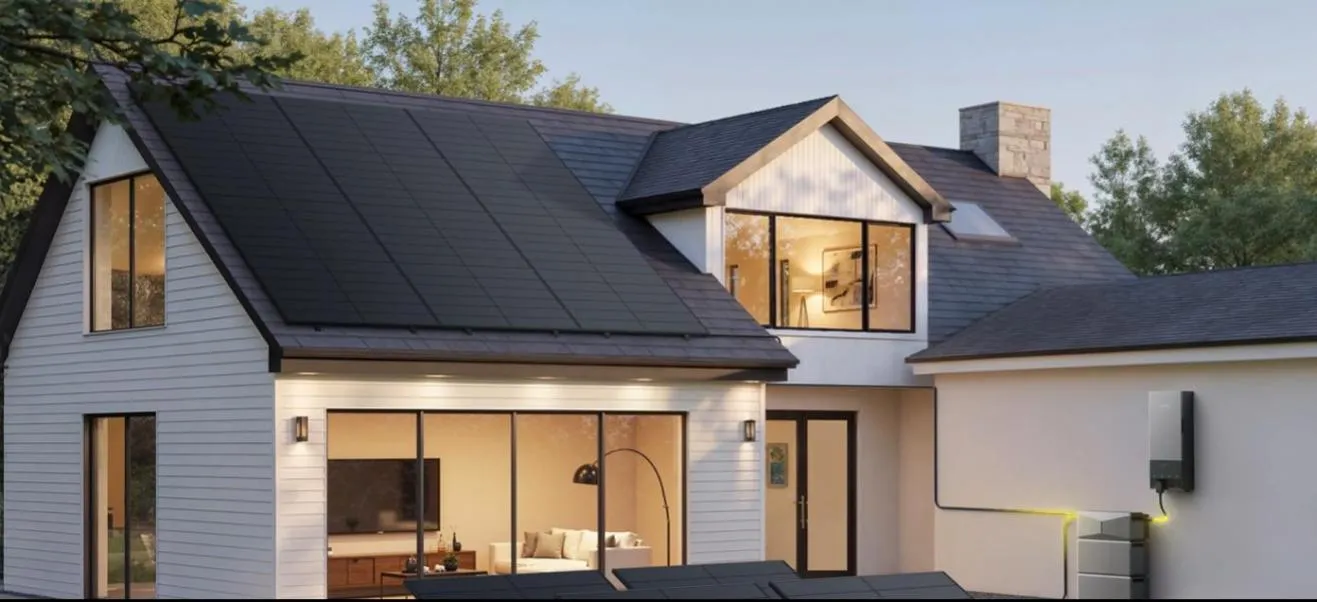
Battery backup systems store electricity in high-capacity batteries and deliver silent, instant power to selected circuits. Electricians usually install them indoors or in garages and connect them to a critical loads panel. These systems work well for short outages and sensitive electronics but may not support heavy loads like central air for very long.When you add solar panels, you create a solar-plus-storage system. During the day, solar panels charge the batteries and run your home. At night or during outages, the batteries discharge to keep essential circuits active.Solar integration lowers your reliance on fossil fuels and can reduce utility bills. However, upfront costs can be high, and long outages may still require a generator. Some homeowners combine batteries and generators for maximum resilience.
Benefits of Installing a Whole House Generator
Continuous Power During Outages
Continuous power is the main reason homeowners invest in backup power generator for home systems. When the grid goes down, the generator starts automatically and quickly restores power to your home. You keep lights on, appliances running, and your HVAC system operating without scrambling for flashlights or fuel cans.This seamless transition prevents interruptions to work, school, and daily routines. Frozen foods stay cold, well pumps keep water flowing, and home offices stay online. You do not need to manage extension cords or decide which device to unplug.Because the system runs as long as it has fuel, you can ride out extended outages with far less disruption. That stability is especially important in regions prone to hurricanes, ice storms, or frequent utility failures.
Home Safety, Comfort, and Property Protection
Backup power directly supports safety and comfort. Your heating system runs in winter and air conditioning in summer, which protects family members from extreme temperatures. Powered smoke detectors, carbon monoxide alarms, and security systems remain active instead of going dark during the outage.Whole house power also protects your property. Sump pumps keep basements dry, preventing water damage and mold growth. Circulation pumps guard against frozen pipes in cold climates. Refrigerators and freezers preserve food, which reduces waste and replacement costs.Comfort matters, too. Hot water heaters, lighting, and entertainment systems continue to work, so you can maintain a normal routine. Together, these benefits create a safer, more livable home during and after severe weather events.
 Conclusion
Whole house generator systems provide a strong defense against unexpected power outages. By delivering automatic, reliable backup power, they keep your home safe, comfortable, and functional when the grid fails. Families can protect food, appliances, and property while maintaining vital systems like heating, cooling, and security.The right solution depends on your power needs, fuel availability, and budget. Standby generators suit homeowners who want hands-off operation and coverage for large loads. Portable units, battery backup systems, and solar integration offer alternatives that fit other priorities and outage patterns.Before you buy, take time to calculate your loads, review fuel options, and consult a qualified installer. A well-planned system will serve your home for many years and provide peace of mind every time the lights flicker and the storm clouds roll in.




Leave a Reply