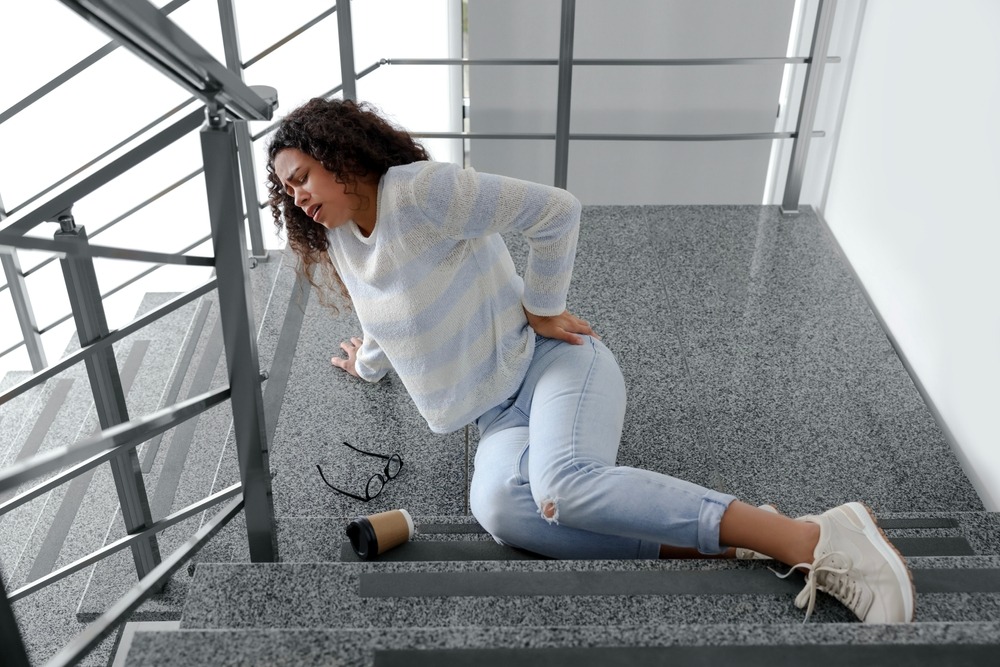
A knee does not always fail loudly. Sometimes it continues to move, bend, and carry weight, but something subtle begins to shift underneath every step.
After a slip and fall, this change is easy to miss because the body still allows walking, even if it no longer feels fully steady. That quiet difference is what makes LCL injuries confusing in the beginning. The outer support of the knee weakens, yet daily movement continues with small adjustments that go unnoticed.
Many cases that later involve LCL knee injury compensation start from this stage, where instability is present but not clearly recognized, and normal activity hides the real internal damage that is slowly developing over time.
What Changes Inside the Knee After an LCL Tear
The LCL, or lateral collateral ligament, sits on the outer side of the knee and plays a key role in keeping the joint steady during movement. After an injury, this support weakens, and the knee begins to lose balance during actions that once felt natural.
Walking straight may still be possible, but the structure that keeps the knee aligned does not work the same way anymore. Other muscles step in to help, which creates a temporary sense of normal movement. This is why many people do not realize the seriousness at first.
The instability is not loud or sudden; it is built into small shifts in control that appear only when the knee is stressed in everyday movement or during slight changes in direction or pressure on uneven surfaces.
Early Signs That Feel Too Small to Matter
The first signs of an LCL tear are often easy to dismiss because they do not feel dramatic. A slight wobble while stepping, a small hesitation while turning, or a mild sense that the knee is not fully stable can be ignored without much concern.
Many people continue walking normally, thinking it is only a temporary strain. The body also adapts quickly by adjusting posture and shifting weight to the stronger leg. This makes the problem harder to notice. The phrase “LCL knee injury compensation” usually comes into consideration much later, but the early stage is where most confusion begins.
Since pain is not always intense, the injury hides behind normal movement, and the knee slowly loses its natural confidence without immediate warning signs that clearly show something is wrong.
How Daily Movement Starts to Feel Different
Over time, the knee begins to affect small parts of daily life that were never noticed before. Walking on uneven ground feels less certain, and climbing stairs may require more attention than usual. Even standing for longer periods can create a slight sense of pressure in the joint. These changes do not appear all at once but build gradually through repetition.
The person may not realize they are adjusting their movement until they notice they are walking more slowly or avoiding sudden turns. This quiet shift changes how the body is used in everyday routines. The instability becomes part of the movement itself, shaping how confidently a person steps, balances, and reacts during normal activities without creating immediate alarm or obvious pain signals in early stages.
Why LCL Injuries Are Often Missed at First
One of the main reasons LCL injuries go unnoticed is the absence of severe early symptoms. There may not be strong swelling or sharp pain that forces immediate attention.
Walking is still possible, which creates the belief that nothing serious has happened. The body also compensates by using surrounding muscles to support movement, which hides the true weakness inside the knee. This delay in recognition often leads to late diagnosis. Many people only seek help after instability becomes more noticeable during daily activities.
At that point, understanding knee injury compensation becomes relevant, but early identification could have clarified the condition sooner. The slow development of symptoms makes it difficult to connect the initial slip and fall with the ongoing instability that appears later in movement and posture changes.
The Effect on Confidence in Movement
As instability continues, it begins to affect how the knee is trusted during movement. Simple actions like stepping forward or turning suddenly feel less automatic. There is often a quiet hesitation before placing full weight on the affected leg.
This hesitation is not always conscious, but it changes the rhythm of walking and standing. Over time, the body starts relying more on controlled movements instead of natural flow. This shift affects daily comfort because movement is no longer fully relaxed. Even without constant pain, the sense of uncertainty stays present during physical activity.
The knee may function, but the confidence in its support is reduced, which gradually changes how a person moves through daily environments and handles basic physical tasks without thinking about balance or stability.
Recovery and Return of Stability
Recovery from an LCL tear focuses on restoring strength and control around the knee so that natural stability can return. This process does not happen quickly because ligaments heal slowly and require steady support from surrounding muscles.
Physical therapy often plays an important role in rebuilding movement confidence and reducing instability. Over time, controlled exercises help the knee regain its ability to support weight without hesitation. Progress is usually gradual, with small improvements appearing before full stability returns. Even after pain reduces, proper balance and strength need continued attention.
The goal of recovery is not only healing the injury but also restoring the natural trust in movement that was affected during the early stages of instability after the fall and gradual weakening of knee support over time.
Final Perspective on Knee Stability After Injury
An LCL injury may begin quietly, but its impact on movement becomes more noticeable over time. The knee does not always send strong warning signals at the start, which is why early instability is often missed.
Understanding how it develops helps explain why delayed recognition is common in many cases that later involve LCL knee injury compensation. The real effect of the injury lies in how it changes confidence in everyday movement and stability during simple physical actions over time.



Leave a Reply